
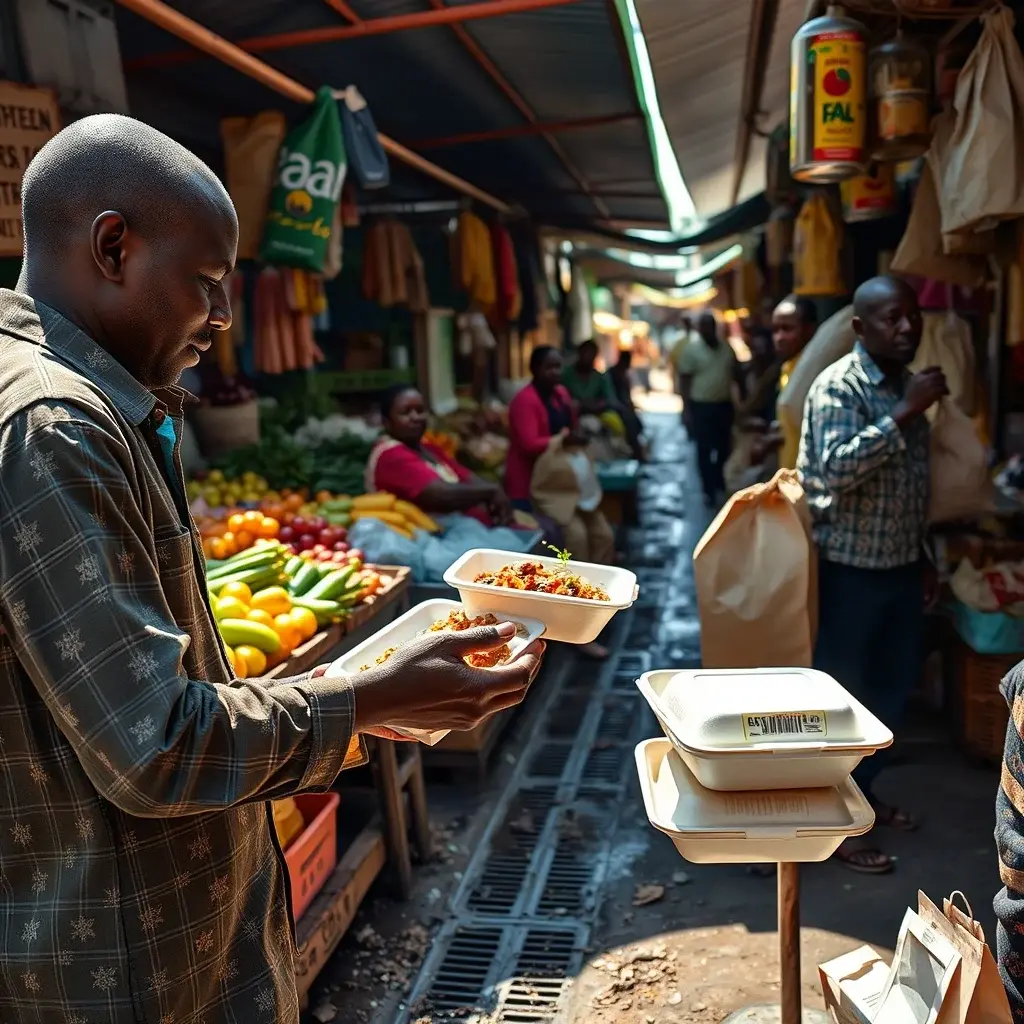
The Environmental Protection Agency (EPA) of Ghana has announced a ban on the use of Styrofoam for food packaging, set to take effect in approximately six months. This move aims to combat plastic pollution and associated health risks, a challenge long recognized in the country and globally. The ban targets “takeaway packs,” commonly used for both fresh produce and ready-to-eat meals across Ghana.
Context: The Pervasive Problem of Styrofoam
Styrofoam, scientifically known as expanded polystyrene foam, has been a staple in Ghana’s food packaging industry due to its low cost, ease of use, and excellent insulation properties. It is widely employed in grocery stores for items like fruits, vegetables, meat, and seafood, as well as in eateries for a variety of prepared foods. However, concerns have mounted over its potential to leach harmful chemicals, particularly styrene, into hot, oily, or alcoholic food and beverages. Styrene is recognized as a potential carcinogen.
Beyond health implications, Styrofoam’s non-biodegradable nature poses a significant environmental threat. It persists in landfills and natural environments, contributing to widespread pollution and harming ecosystems. Globally, this issue has led to bans in numerous countries, with Ireland and England implementing restrictions on styrene in food packaging materials as recently as 2023. Approximately 75 countries, representing about 40% of the world’s nations, have already taken such measures.
Environmental and Health Benefits of the Ban
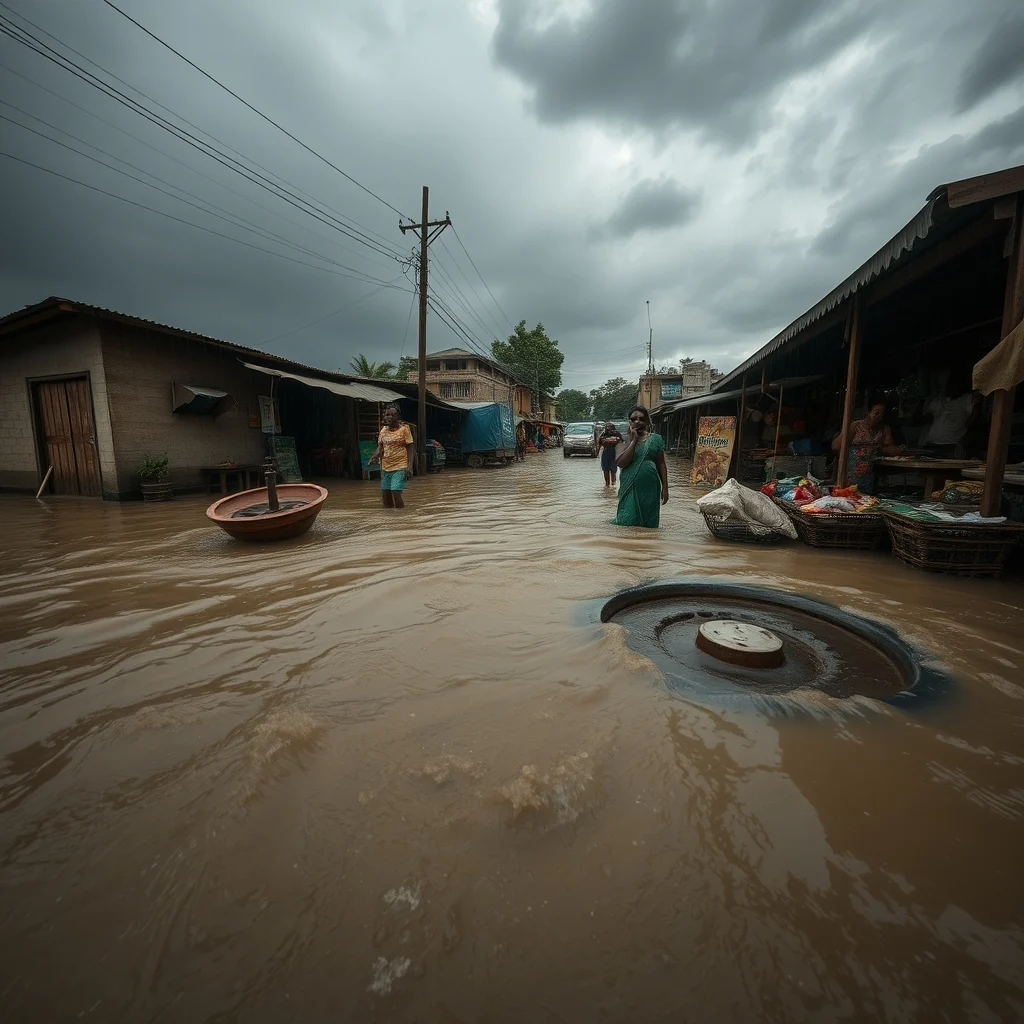
The EPA’s decision is expected to yield substantial environmental and health benefits for Ghana. A primary outcome will be a significant reduction in plastic pollution. This includes decreased amounts of plastic waste entering oceans, lessening the risk of marine life entanglement, and mitigating the ingestion of microplastics by both wildlife and humans. Furthermore, the ban is anticipated to alleviate urban flooding and clogged drainage systems, which are frequently exacerbated by improperly disposed plastic waste.
Ghanaians will also experience reduced exposure to toxic emissions. These emissions can arise from the incineration of plastic waste or the chemical breakdown of fossil-fuel-based polymers. By phasing out Styrofoam, Ghana moves towards cleaner air and a healthier environment for its citizens.
Addressing Socio-Economic Challenges
The transition away from Styrofoam is not without its challenges. Businesses will face costs associated with redesigning packaging, updating supply chains, and investing in sustainable alternatives. The plastic industry is a vital part of Ghana’s socio-economic landscape, and the ban could potentially impact labor income and government tax revenues from importation and manufacturing.
Consumers may also see an increase in prices, as sustainable alternatives like biodegradable plastics, reusable cloth bags, or paper packaging are often more expensive to produce and purchase than Styrofoam. The effectiveness of the ban hinges on robust regulatory enforcement to prevent the emergence of black markets or illegal imports.
The Importance of Public Engagement and Phased Implementation
Effective implementation requires thorough government engagement with the public, supply chain actors, producers, and importers. Communication should extend beyond environmental risks to a rigorous cost-benefit analysis, allowing all stakeholders sufficient time to prepare, invest, and adapt. The EPA’s timeline of approximately six months provides this crucial window for managing economic and political costs while securing long-term gains.
The current status quo of plastic pollution is already costly for Ghana, with significant expenditure on drainage clearing, flood response, and public health burdens. Flooding in major cities like Accra is often linked to plastic-clogged drains, resulting in loss of life and property damage. Framing the ban as fiscal responsibility—paying now for alternatives rather than continuing to pay for the devastating consequences of plastic pollution—is key.
A Catalyst for Industrial Upgrade and Regional Leadership
While short-term job losses and revenue reductions are possible, the phased approach allows for the transition of funds and labor into new sectors. The ban can incentivize local alternatives, such as paper, cassava-based, or reusable packaging companies, enabling Ghanaian businesses to capture the market and potentially shifting jobs rather than eliminating them.
Ghana risks becoming a dumping ground for cheap plastics if it fails to align with regional trends. With the African Union and ECOWAS moving towards harmonized standards, this ban positions Ghana as a leader in West Africa. It can attract climate finance, green investment, and create export opportunities for biodegradable products.
Looking Ahead: A Plastic Transition
This intended ban should be viewed not as a punishment, but as an industrial upgrade towards greater sustainability. The government’s commitment must be sustained, with a phased rollout that extends to other single-use plastic products like thin polythene bags and sachet water packs. Ghana can follow the example of countries like Rwanda, Kenya, Zimbabwe, and Lagos, demonstrating that a transition to a plastic-free economy is achievable.
The next six months will be critical for Ghana to lay the groundwork for this transition. Key areas to watch include the development of affordable and scalable alternatives, the effectiveness of public awareness campaigns, and the robustness of regulatory enforcement. The success of this ban will set a precedent for Ghana’s commitment to environmental stewardship and its role in shaping a sustainable future for West Africa.







Leave a Reply