

Ing. Ken Ashigbey, CEO of the Ghana Chamber of Mines, is advocating for increased Ghanaian participation in the nation’s extractive industries through strategic partnerships with multinational corporations, rather than pursuing an isolationist approach. The discussion took place at a JoyBusiness Roundtable event focused on rethinking Ghana’s strategy for gold mining, oil, and critical minerals.
Context: The Debate on Resource Management
Ghana, rich in natural resources including gold, oil, and increasingly sought-after critical minerals, faces a perennial challenge: how to maximize economic benefits for its citizens. Historically, debates have swung between nationalization – bringing state control over key industries – and various models of foreign investment and partnership. The current discourse, highlighted by the JoyBusiness Roundtable, seeks to refine Ghana’s approach to ensure greater local ownership, value addition, and sustainable economic gains from these vital sectors.
Partnerships as a Pathway to Value Capture
Mr. Ashigbey argued that Ghana should deliberately enhance local participation and value capture across the entire extractive value chain. He emphasized that this goal can be achieved while maintaining an investment-friendly environment conducive to growth.
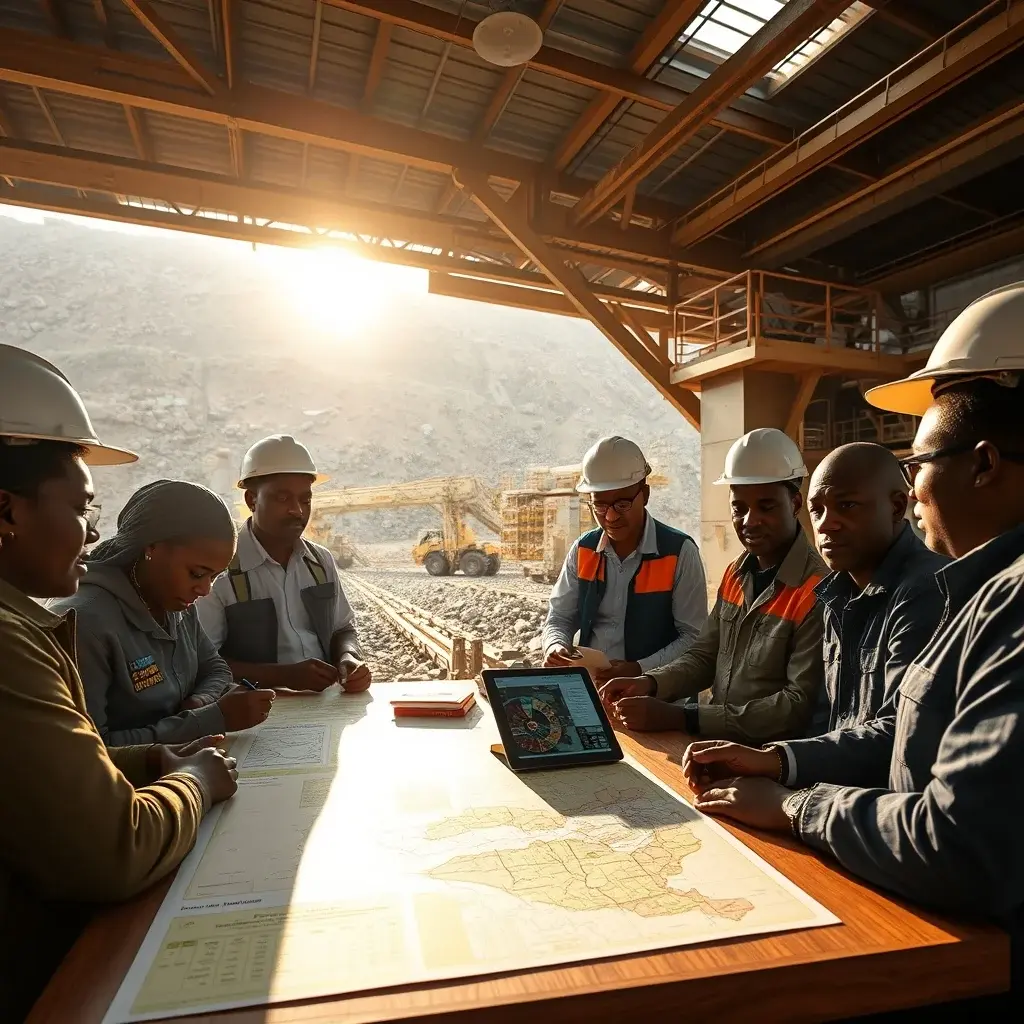
The core of his proposal lies in fostering joint ventures. These collaborations would combine local knowledge and presence with the capital, expertise, and international reach of multinational firms. “Let’s increase our Ghanaian take, increase what we take in the value chain, let’s get Ghanaian ownership, but it has to be a partnership between Ghanaians and multinationals,” Ashigbey stated.
He explained that the presence of established multinational players is crucial for attracting further investment. Their involvement helps de-risk projects and signals stability to the global investment community. “They need to be in the space to work with Ghanaians and do joint ventures because what it does is when you have these big players, it helps attract investors,” he added.
Multinationals as Enablers of Local Growth
Contrary to a purely nationalistic stance, Ashigbey highlighted the significant role multinational companies play in skills transfer and the development of domestic businesses. These firms can create opportunities for Ghanaian companies to grow by integrating them into supply chains and providing training.
The discussion, therefore, moves beyond a binary choice between nationalization and transformation. It calls for a sophisticated model that leverages global partnerships to empower and expand Ghanaian enterprises within the extractive sector.
Implications for Ghana’s Economy
This partnership-centric approach suggests a strategic direction for Ghana’s resource management. Instead of seeking to fully control all aspects of extraction, the focus shifts to building capacity and securing a greater share of the profits and value generated. This could mean more opportunities for Ghanaian companies in services, supply, and potentially equity stakes within joint ventures.
Looking Ahead
The success of this strategy will hinge on Ghana’s ability to negotiate favorable partnership terms and ensure robust regulatory oversight. Future developments to watch will include the specific types of joint ventures established, the mechanisms for ensuring equitable benefit sharing, and the measurable increase in Ghanaian ownership and participation across the gold, oil, and critical minerals sectors. The effectiveness of this model in attracting investment while simultaneously fostering local industrial development will be key.








Leave a Reply