
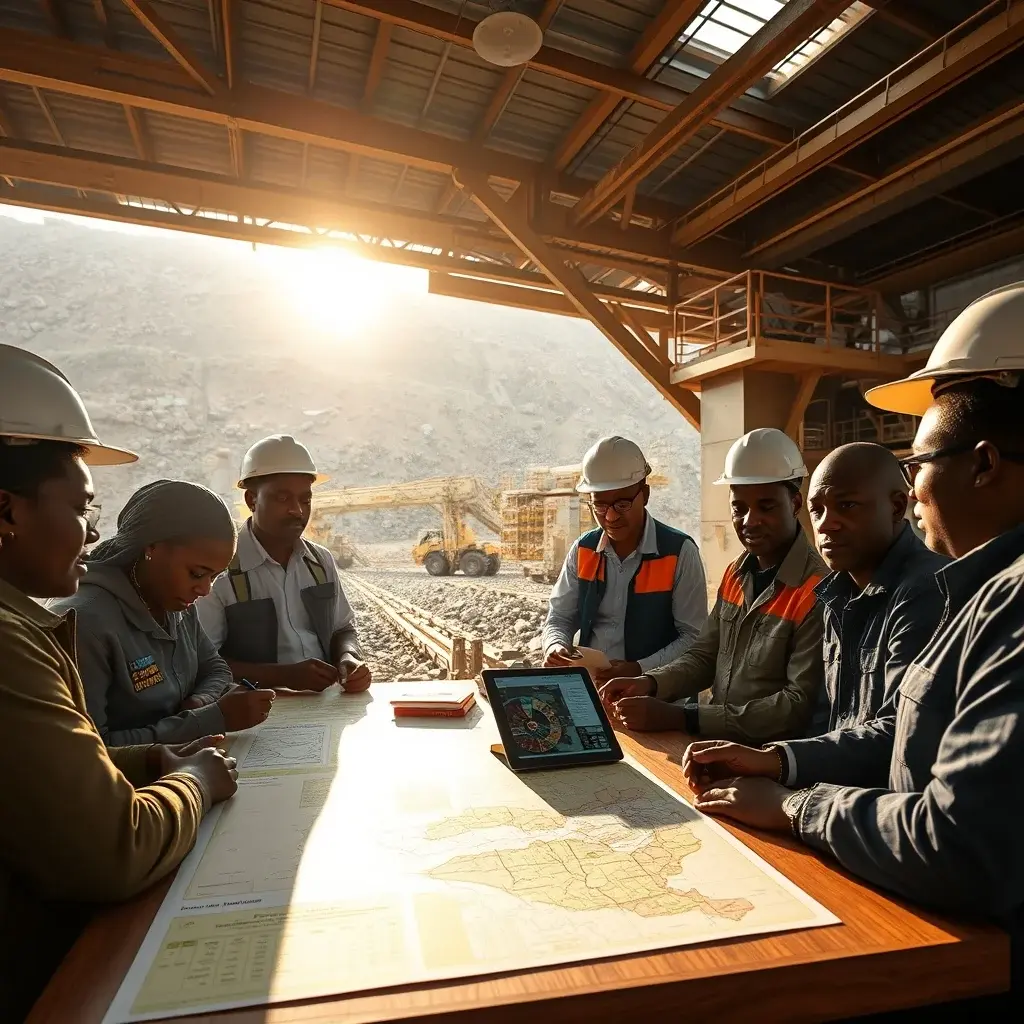
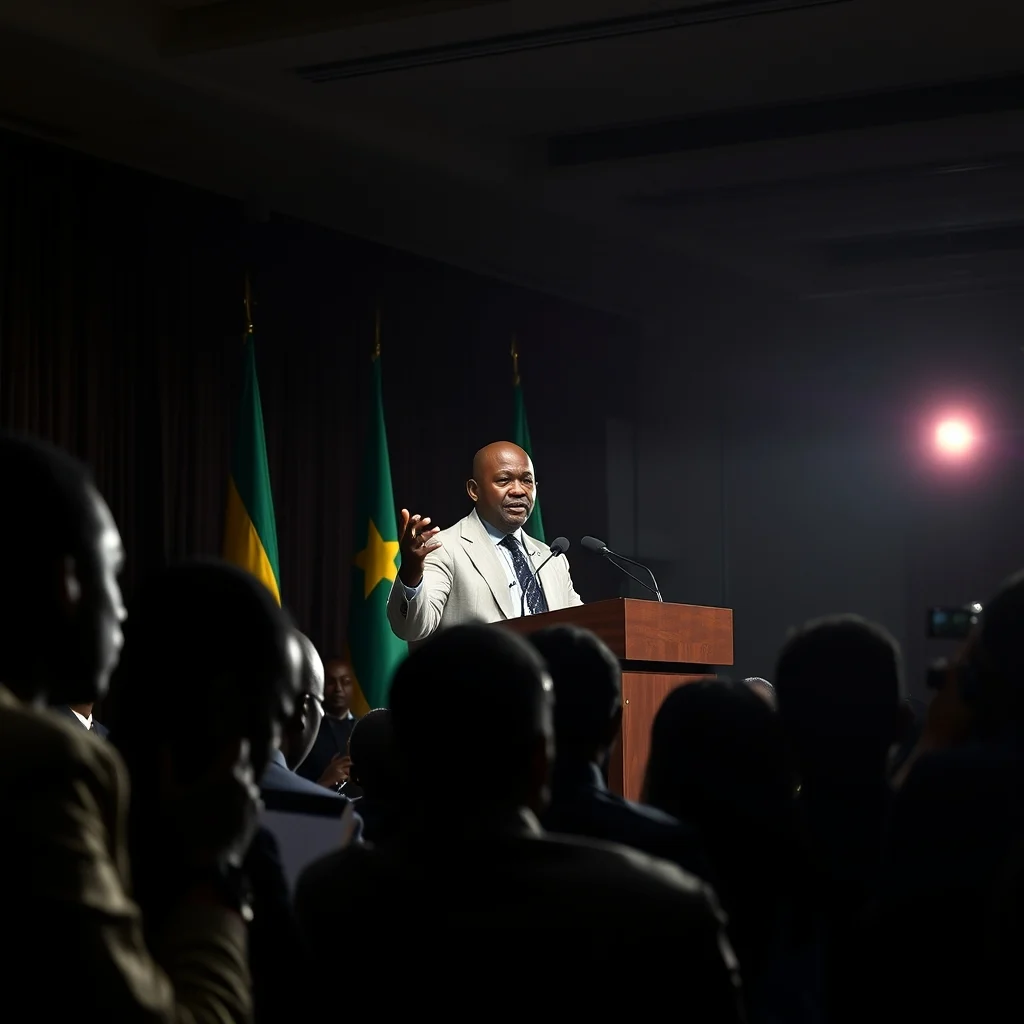
Dr. Frank Boateng, Acting Director of the Institute of Mining Research and Governance (IMRIG) at the University of Mines and Technology, is advocating for a significant increase in Ghanaian participation within the nation’s lucrative extractive industries. Speaking on Tuesday, May 26, during a JoyBusiness Roundtable focused on Ghana’s gold mining, oil, and critical minerals sectors, Dr. Boateng emphasized that enhancing local ownership is crucial for ensuring that Ghana’s natural wealth translates into broader benefits for its citizens and mining communities.
Context: Resource Wealth and Local Participation
Ghana is endowed with significant natural resources, particularly gold, oil, and increasingly, critical minerals essential for global green technologies. Historically, the extractive sector has been a major contributor to the national economy, providing revenue and foreign exchange. However, questions have persistently arisen regarding the extent to which Ghanaians, as a whole, truly benefit from these resources, beyond direct government revenue and limited state equity.
Current frameworks often involve state-owned entities holding stakes, but Dr. Boateng argues this is insufficient. He points out that the constitutionally mandated 10 percent free carried interest for the state in mining ventures, while a starting point, does not adequately reflect the nation’s ownership of its subsoil assets.
Expanding Indigenous Ownership Beyond State Stakes
Dr. Boateng’s core argument centers on moving beyond mere state participation to foster widespread citizen ownership. He proposes implementing deliberate policies to create avenues for ordinary Ghanaians to invest in and own stakes in mining and oil ventures, potentially through enhanced stock market participation.
“I still stand by my point where I feel that Ghanaian participation needs to increase,” Dr. Boateng stated, highlighting that increased local equity would not only boost national financial returns but also strengthen Ghana’s leverage in operational and strategic decision-making processes within these companies.
Innovative Policy Proposals
To achieve this enhanced participation, Dr. Boateng suggests exploring creative fiscal and regulatory mechanisms. One key proposal involves considering the deferral of taxes owed by mining firms into equity stakes for the nation. “Can we even defer some of our taxes to increase our equities in some of these mines, so that it pushes our ownership beyond the free carry of 10%?” he questioned.
Furthermore, Dr. Boateng sees lease renewal negotiations as a critical juncture for renegotiating terms to secure greater Ghanaian involvement. This presents a strategic opportunity to incrementally increase national equity and influence over time.
Avoiding Concentration of Power
While advocating for increased Ghanaian ownership, Dr. Boateng cautions against concentrating this expanded stake solely within government hands or political actors. He stresses that a more diversified ownership model, particularly involving broad citizen participation through stock ownership, would be more sustainable and beneficial in the long run.
Addressing Policy Instability
A significant hurdle identified by Dr. Boateng is the perceived policy instability in Ghana. He noted that the frequent reversals of decisions and dramatic policy shifts following changes in government create an uncertain environment, which can deter the long-term investment planning essential for the capital-intensive extractive sector.
Harnessing the Artisanal and Small-Scale Mining Sector
Dr. Boateng also highlighted the artisanal and small-scale mining (ASM) sector as a fertile ground for increasing Ghanaian ownership. He proposed providing targeted financial and technical support to well-performing local small-scale operators, enabling them to scale up into medium-sized enterprises capable of attracting larger investments.
He referenced initiatives like the Minerals Income Investment Fund’s Small-Scale Incubation Project as examples of how to identify and nurture promising local mining businesses. Empowering these Ghanaian-owned firms and fostering broader citizen participation, he argues, is the pathway to maximizing national benefits and stimulating robust local economic development from the country’s natural resource wealth.
Implications and Future Outlook
The call for increased Ghanaian participation signals a potential shift in how the nation leverages its extractive resources. If implemented, these policy ideas could lead to greater economic empowerment for citizens, enhanced national control over resource management, and more equitable distribution of wealth. However, the success of such initiatives will hinge on navigating political complexities, ensuring transparency, and fostering a stable investment climate. Investors and policymakers will be watching closely to see if Ghana can translate these aspirations into concrete, sustainable changes that truly benefit the Ghanaian people.




Leave a Reply