

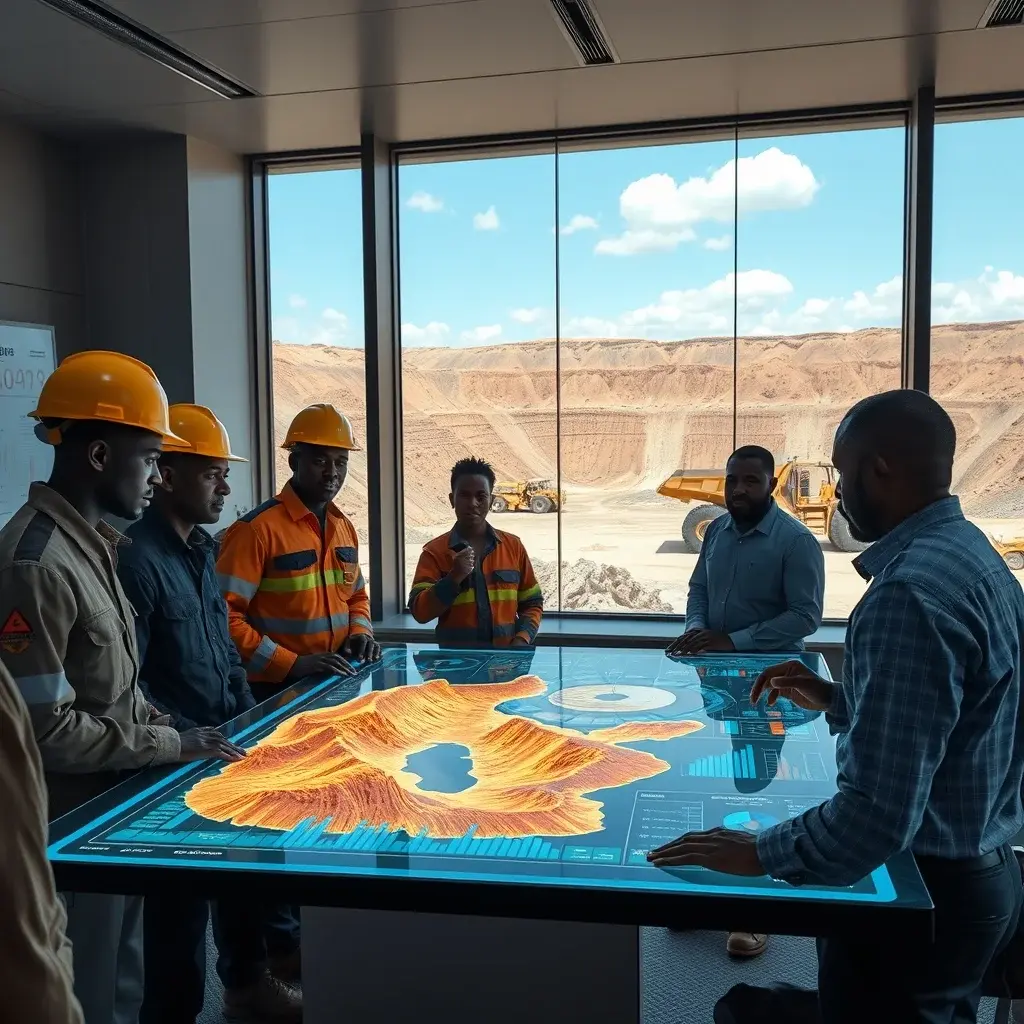
Gideon Ayi-Owoo, a Partner and Resources Industry Expert at Deloitte Africa, has urged the Ghanaian government to make industrialisation a non-negotiable condition within all future mining contracts. Speaking at a recent Joybusiness Roundtable Discussion on the nation’s extractive sector, Ayi-Owoo argued that current agreements focus too narrowly on extraction and revenue, neglecting opportunities for local value creation and economic transformation.
Shifting the Contractual Focus
Ayi-Owoo emphasized that the core of Ghana’s strategy should move beyond simple ownership stakes in mining operations. Instead, the government must leverage its influence and position within the sector to actively drive industrial development.
“It’s not about ownership but government’s stake in the mining sector,” he stated, highlighting the need for a more strategic approach to resource management.
He proposed that mining contracts should explicitly include commitments that foster local industrial growth. This would ensure that mineral wealth contributes more substantially to job creation, the development of local enterprises, and long-term economic diversification.
The Case for Value Addition
The expert’s call aligns with broader discussions about maximising the benefits derived from Ghana’s rich natural resources. Currently, much of the value generated from mining leaves the country, often in the form of raw materials that are processed elsewhere.
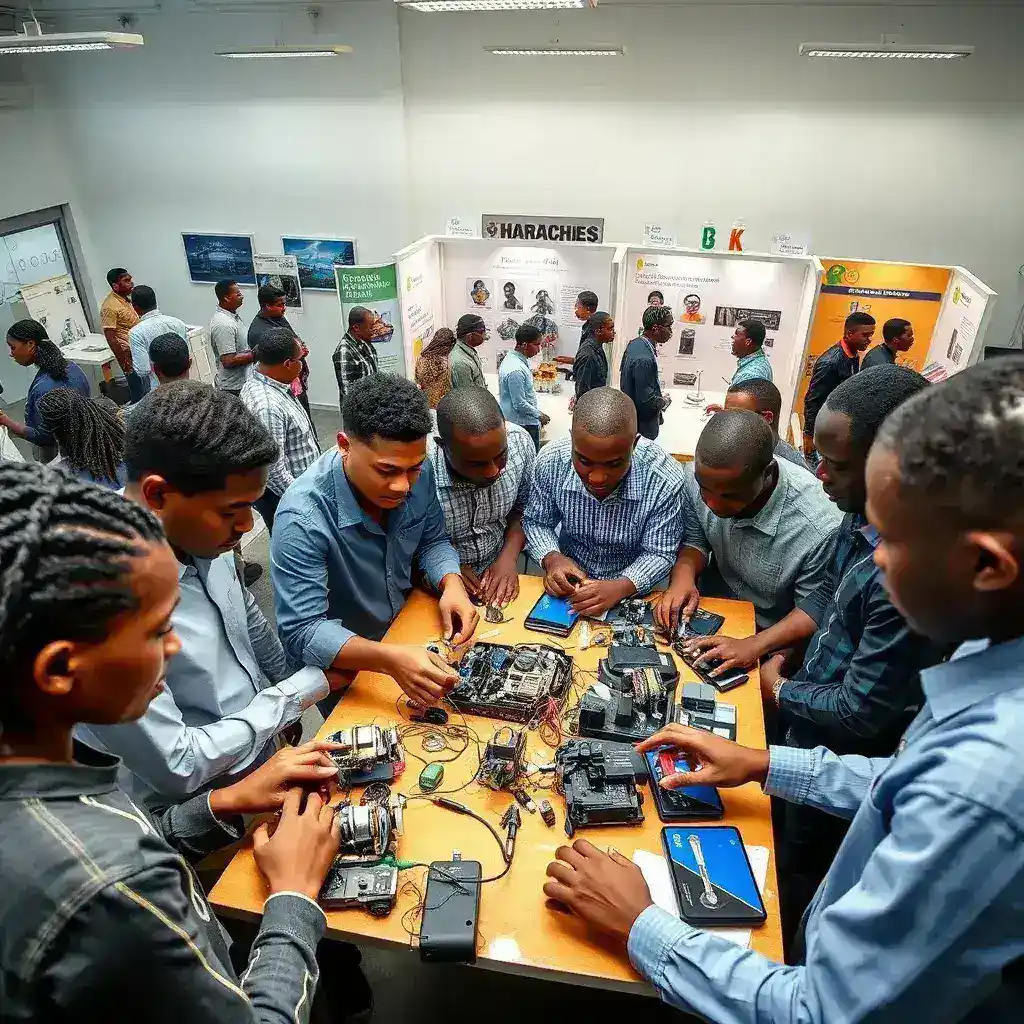
By mandating industrialisation clauses, the government could compel mining companies to invest in local processing facilities, manufacturing, and related industries. This would create a multiplier effect, generating more skilled jobs and fostering a more robust domestic economy.
Such a policy shift could transform Ghana from a mere exporter of raw commodities into a hub for value-added mineral products. This would not only increase export revenues but also build domestic capacity and technological know-how.
Expert Endorsement and Data
While specific data points from the Joybusiness Roundtable were not detailed in the report, Ayi-Owoo’s position reflects a growing consensus among development economists and industry analysts. International examples, such as Botswana’s success in developing its diamond cutting and polishing industry, demonstrate the potential of such a strategy.
Deloitte Africa, as a leading advisory firm, often provides insights into resource governance and economic development. Ayi-Owoo’s pronouncements carry weight due to his firm’s extensive work with governments and corporations in the extractive industries across the continent.
Implications for Ghana’s Economy
Implementing mandatory industrialisation clauses in mining contracts could have profound implications for Ghana. It promises to create a more sustainable and inclusive economic model, reducing reliance on primary commodity exports.
For local businesses, it opens avenues for participation in supply chains and downstream industries. For workers, it signals a move towards higher-skilled, better-paying jobs.
Looking Ahead
The critical next step will be for the Ghanaian government to translate this expert recommendation into concrete policy and legislative action. The effectiveness of such clauses will depend on robust enforcement mechanisms and clear, measurable targets for industrial development within the mining sector. Stakeholders will be watching closely to see if mining agreements evolve to reflect this strategic imperative for long-term national prosperity.






Leave a Reply