
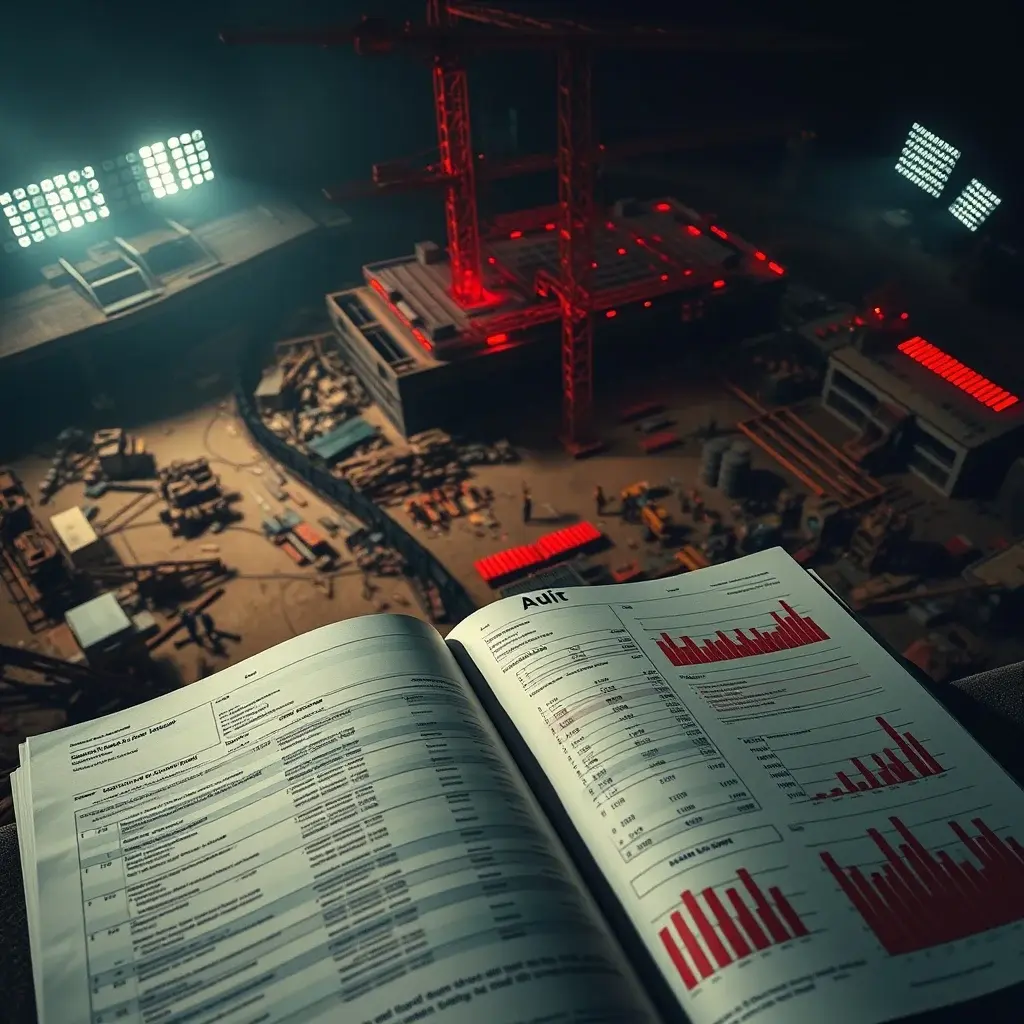
Accra, Ghana – A comprehensive forensic audit commissioned by President John Dramani Mahama has revealed substantial financial mismanagement, including inflated contracts and unsupported expenditures, totaling approximately GH¢580 million during Ghana’s hosting of the 2023 African Games. The 700-page report, signed by Auditor-General Johnson Akuamoah-Asiedu, meticulously examined the operational, financial, and technical aspects of the Games, from procurement to post-event asset management, following a request from the Office of the President in October 2025.
Context of the Audit Findings
Ghana hosted the 2023 African Games, an event that brought together athletes from across the continent. The nation invested significantly in infrastructure and operational costs to ensure a successful event. However, the audit was initiated to scrutinize the financial stewardship of these substantial public funds.
Widespread Financial Irregularities Detailed
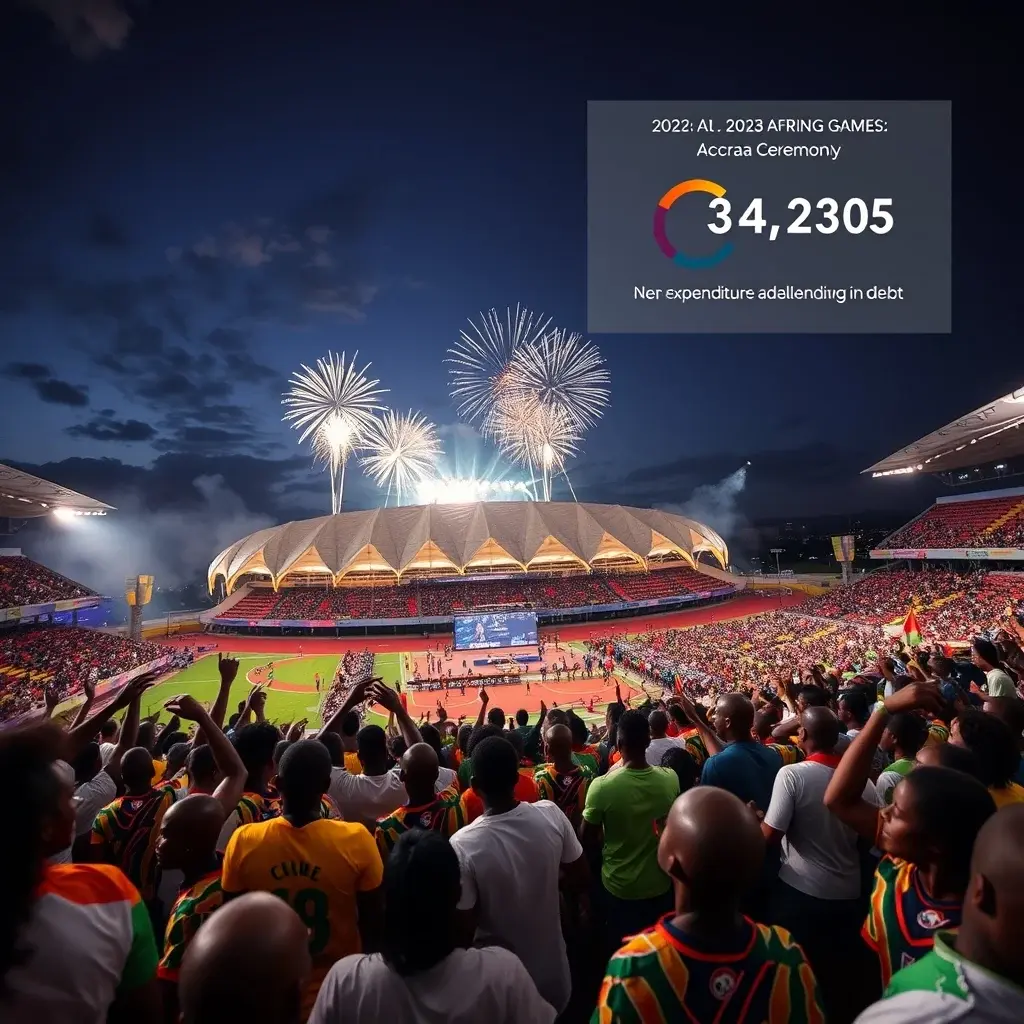
The audit report, referenced AG.SAR/2026/03, detailed how Ghana spent GH¢2.245 billion on the Games, sourced from government releases, sponsorships, and participation fees. Despite this significant outlay, auditors identified outstanding liabilities amounting to GH¢208.6 million.
Specific findings highlighted numerous instances of overpricing and unsupported payments. For example, the Ministry of Sports paid GH¢38.9 million to Delovely Company Limited for sports equipment, yet equipment worth US$206,000 was never supplied. Auditors also questioned an additional US$408,000 for unspecified sports equipment lacking proper documentation.
The report estimates an overpayment of US$374,000 (approximately GH¢4.5 million) on the Delovely contract alone. Similarly, anti-doping tests procured from Omni Speciality Product Limited were found to be overpriced by an estimated €572,000 (approximately GH¢8 million) when compared to rates from World Anti-Doping Agency-accredited laboratories.
Inflated Accommodation and Transportation Costs
Accommodation services for Games officials contracted through JDK Travel and Tours were found to be significantly inflated. The contract at US$150 per room per night for 500 rooms over 21 days amounted to US$1.58 million. Market verification indicated that official hotel rates should have been between US$50 and US$70, identifying an inflated component of US$840,000 (approximately GH¢10.1 million).
JDK Travel’s engagement was further scrutinized, with the report noting the company’s lack of an accommodation license and the unverifiable nature of two listed hotels. This company also received GH¢45.7 million for vehicle transportation contracts, with auditors identifying overpricing of GH¢13.1 million and an additional GH¢2.2 million due to inflated quantities and usage frequencies.
Millions Spent Without Verification
Systemic weaknesses were identified in the management of 14 major service contracts, valued at GH¢336.6 million. These contracts, covering services like anti-doping, accommodation, catering, and transportation, were awarded as fixed lump sums without adequate supporting documentation such as rooming lists, meal registers, or passenger manifests.
As a result, auditors concluded that GH¢336.6 million was committed and paid without verifiable evidence of services actually consumed. The catering contract with L&M also included non-feeding costs totaling US$2.83 million, embedded without supporting schedules or independent verification.
Conflicts of Interest and Irregular Cash Withdrawals
The audit uncovered “Common Beneficial Owner and Related-Party Exposure” amounting to GH¢150.6 million. Several companies awarded contracts shared common ownership, raising concerns about undisclosed conflicts of interest and anti-competitive procurement practices.
Irregular cash withdrawals totaling GH¢20.4 million from Local Organising Committee accounts were also flagged. These payments bypassed mandatory electronic transfer requirements and the Ghana Integrated Financial Management Information System (GIFMIS).
Furthermore, GH¢15.1 million from LOC accounts was used for activities unrelated to the Games, including advance salary payments to Black Stars officials and technical staff.
Broadcasting Losses and Infrastructure Deficiencies
The Ghana Broadcasting Corporation (GBC) faced scrutiny for procurement irregularities on contracts worth about GH¢3.56 million executed without formal agreements. A separate payment of €57,000 (approximately GH¢684,000) for training yielded no evidence of conducted training.
GBC was also estimated to have lost approximately US$4.96 million (GH¢59.5 million) in potential broadcast revenue due to poor management and marketing of the Games.
Physical inspections of major Games facilities revealed significant construction defects, including cracking, drainage failures, and incomplete works at venues like the Aquatic Centre and Legon Stadium. Rectification works are estimated to cost at least US$1 million (approximately GH¢12 million).
At the Borteyman Sports Complex, a variation order resulted in a net loss of US$34.4 million due to omitted works. The University of Ghana Stadium also saw avoidable claims totaling US$2.8 million linked to contract variations. The report noted a near-total absence of competitive procurement, with single-source contracts worth approximately GH¢2.7 billion awarded without justification.
Legacy Concerns and Future Implications
The audit report expressed deep concern over the deteriorating condition of Games facilities and poor post-Games asset management. The Legacy Sub-Committee, tasked with transforming facilities, became ineffective and was dissolved without achieving its mandate.
Ghana’s failure to meet outstanding obligations under the Host Agreement with the African Union Commission could jeopardize its eligibility for future African Games. The Auditor-General concluded that the scale of irregularities indicated structural deficiencies in institutional control environments, recommending broad reforms in public financial management and procurement systems.
The findings are expected to trigger further investigations and potential sanctions against individuals implicated. The government faces pressure to implement robust oversight mechanisms to prevent recurrence and ensure accountability in future large-scale public projects. Observers will be watching closely to see if the recommended structural reforms are enacted and how Ghana addresses its financial obligations and legacy commitments related to the 2023 African Games.

Leave a Reply