
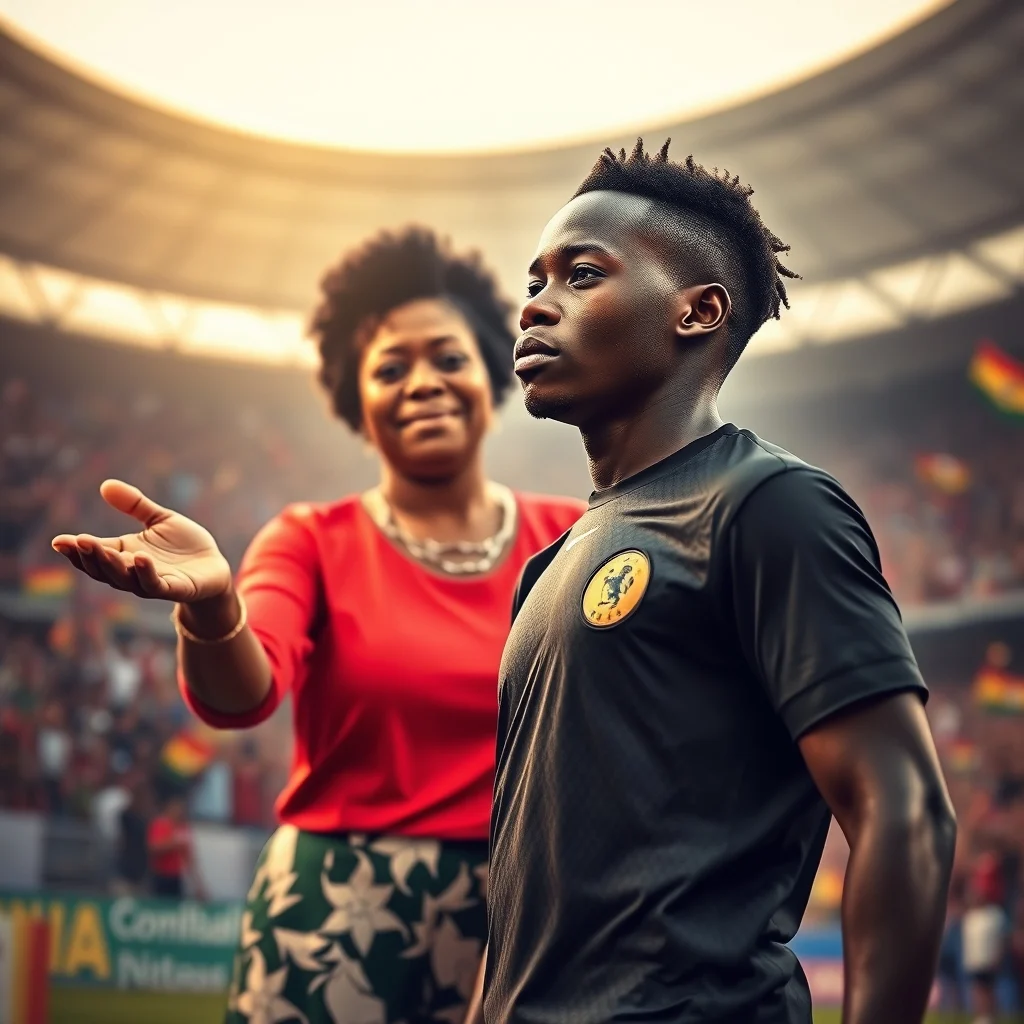
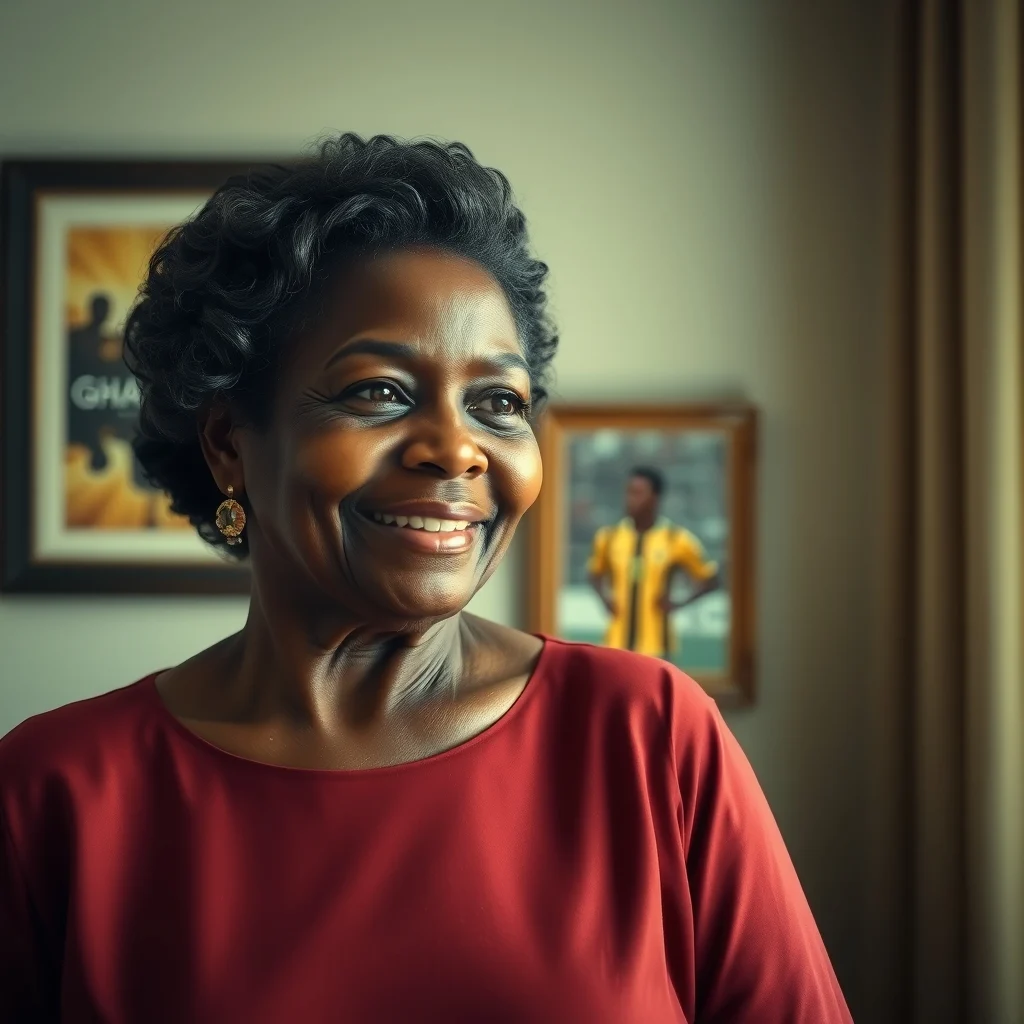
Dela Dzebu, mother of Ghanaian international Antoine Semenyo, has issued a powerful appeal to parents of Ghanaian descent living abroad, urging them to encourage their children to represent their ancestral homeland, Ghana, in football. Speaking at a recent event, Dzebu emphasized that football in Ghana transcends mere sport, representing a deep connection to ‘blood, pride, legacy, and roots,’ contrasting it with the more transactional nature of the sport observed in the UK.
The Emotional Journey of Dual Nationality
Dzebu shared the deeply personal and often challenging journey she and her son navigated before Antoine ultimately chose to don the Black Stars jersey over that of England. She acknowledged the significant hurdles involved in guiding a child raised in the diaspora through the complex decision of choosing which nation to represent internationally.
“Trust me, it’s hard. If anybody says it’s been easy, it’s not easy. But it’s possible. It is very possible,” Dzebu stated, offering a message of hope and encouragement to other parents facing similar dilemmas.
She recalled a pivotal conversation with Antoine when he sought her counsel on his international future. His initial question, “If nothing works, why do I have to play for Ghana?” highlighted a disconnect from his heritage that many diaspora children experience.
Connecting Through Roots and Pride
Dzebu’s response was rooted in a profound sense of identity and belonging. She explained that playing for Ghana offers a unique sense of pride and connection that is distinct from the professional football environment in the UK.
“Football in the UK, for me, is about the boots. Football in Ghana is about blood, it’s about pride, it’s about legacy, it’s about your roots,” she articulated, drawing a clear distinction between the two footballing cultures.
The emotional impact of seeing her son represent Ghana was palpable. Dzebu described the indescribable feeling of pride and joy as a parent when Antoine first wore the Black Stars jersey to the roar of the crowd.
Parental Influence and Cultural Appreciation
Dzebu recognized the internal conflict many children of Ghanaian heritage face due to their dual nationality and bicultural upbringing. She stressed the crucial role parents play in helping these young individuals appreciate and connect with their Ghanaian identity.
“As a parent, you don’t want to come across as pushy. But you need to encourage them. They don’t see that side — the pride, the roots, where you come from,” she explained, emphasizing the need for gentle guidance rather than forceful persuasion.
She concluded her address with a heartfelt plea, assuring both parents and aspiring young footballers that embracing the opportunity to represent Ghana is a decision they will not regret.
“Listen, you will never regret it. It’s amazing on a very grand scale,” Dzebu affirmed, reinforcing the idea that national representation offers profound emotional and cultural rewards.
Implications for Ghanaian Football and the Diaspora
Dzebu’s sentiments highlight a significant ongoing effort to leverage the talent pool within the Ghanaian diaspora. By appealing directly to parents, she targets a key influence group in young footballers’ career decisions. The Black Stars have a history of successfully recruiting diaspora players, a trend that has often boosted the team’s performance and national pride.
This call to action could influence more players of Ghanaian heritage to consider representing the Black Stars, potentially strengthening the national team for future tournaments, including upcoming Africa Cup of Nations qualifiers and World Cup campaigns. The emphasis on legacy and roots aims to foster a deeper emotional connection to the national team, potentially leading to more committed long-term representation.
For parents in the diaspora, Dzebu’s message provides a framework for engaging in conversations about national identity and sporting choices with their children. It suggests that fostering an understanding and appreciation of Ghanaian culture and history can be a powerful motivator for young athletes.
Looking ahead, the success of such appeals will likely depend on continued engagement from the Ghana Football Association and visible support for diaspora players. The emotional resonance of Dzebu’s message underscores the importance of cultural connection in international sports decisions, a trend that may see further emphasis in player recruitment strategies across various nations.






Leave a Reply