
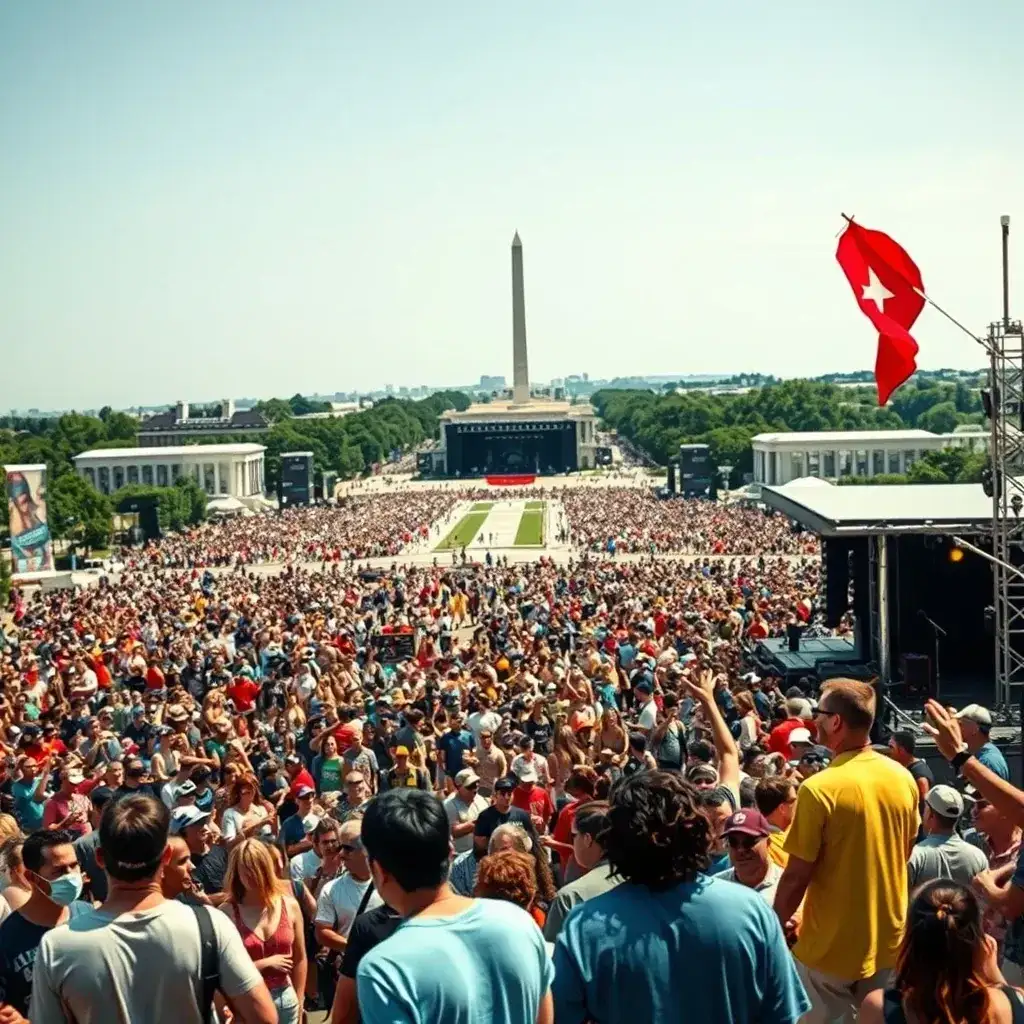
Multiple artists, including R&B legends the Commodores and Poison frontman Bret Michaels, have withdrawn from the “Great American State Fair” concert on the National Mall in Washington D.C., scheduled from June 25 to July 10. The performers cited a feeling of being misled about the event’s political affiliations as the primary reason for their departure, raising questions about the non-partisan nature of the celebration marking America’s 250th birthday.
Event Background and Artist Withdrawals
The “Great American State Fair,” organized by Freedom 250, was announced on Wednesday as part of a series of events leading up to the nation’s semiquincentennial. Freedom 250, a nonprofit established last year with support from the Trump administration, aims to unite Americans around the anniversary. Keith Krach, appointed by President Donald Trump, leads the organization.
However, shortly after the lineup’s unveiling, several prominent artists began to publicly disassociate themselves from the event. Rappers Young MC and Morris Day were among the first to announce their withdrawal.
Young MC, known for his 1989 hit “Bust a Move,” stated on social media that artists were not informed of any “political involvement with the event.” He expressed a desire to perform in D.C. at a future event that is “not so politically charged.” Morris Day shared a similar sentiment on Instagram, explicitly stating his non-participation.
The following day, the trend continued. The Commodores announced on social media that they would not be performing, emphasizing their music’s role as a voice that chooses not to affiliate with any single political party and supports all Americans.
Martina McBride also issued a statement on X, formerly Twitter, explaining she was “presented with an opportunity to perform at a nonpartisan event but that turned out to be misleading.” Bret Michaels elaborated in a lengthy social media post, stating that what was presented as a celebration of the country had evolved into something “much more divisive than what I agreed to be a part of.” Michaels also mentioned safety concerns as a contributing factor.
Differing Perspectives and Remaining Performers
Despite the significant artist exodus, Freedom 250 has maintained its stance. A spokeswoman for the organization, Rachel Reisner, released a statement asserting that the fair is non-partisan and that they respect the artists’ decisions. “There is far too much to celebrate about this great nation to let noise and division distract from the incredible moment ahead,” Reisner said.
The organization highlighted its commitment to welcoming millions of Americans to a fair that “belongs to all Americans.” Freedom 250 has not yet announced any changes to its official lineup.
Interestingly, some artists booked for the event are proceeding as planned. Rappers Flo Rida and Vanilla Ice remain on the schedule. Vanilla Ice, whose real name is Robert Matthew Van Winkle, posted a video on Instagram captioned, “This is not a political platform. This is celebrating America’s birthday.”
Fab Morvan, one half of the iconic duo Milli Vanilli, also confirmed his participation. However, a statement on X clarified that the original vocalists of Milli Vanilli would not be performing, distinguishing their involvement from any tribute acts. C+C Music Factory’s Freedom Williams also indicated he would still perform, though he stated he does not support Trump.
Broader Context of Semiquincentennial Events
The “Great American State Fair” is part of a broader initiative by the White House to commemorate the 250th anniversary of the U.S. Declaration of Independence. Other planned events include a UFC fight on the South Lawn and a Grand Prix race in the capital. The U.S. is also set to release a limited number of commemorative passports featuring a portrait of former President Trump.
Implications and Future Outlook
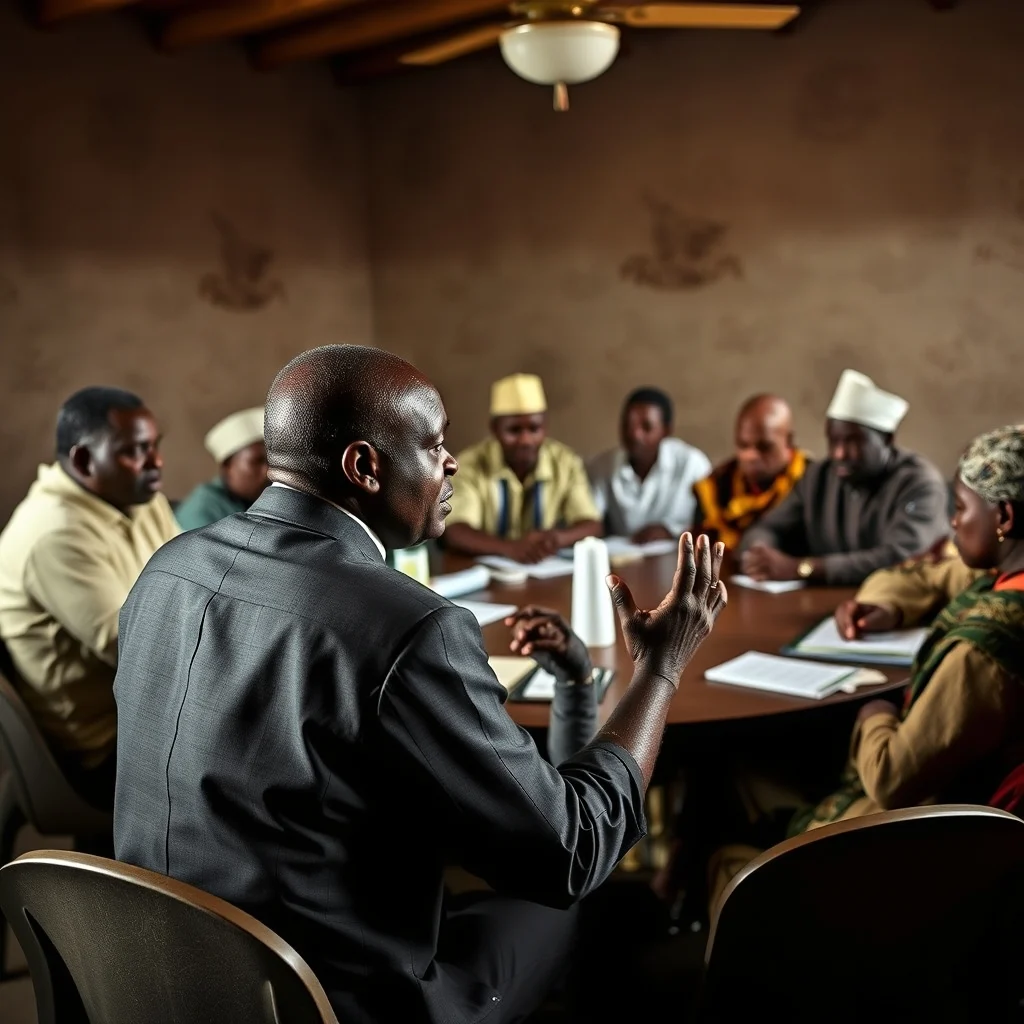
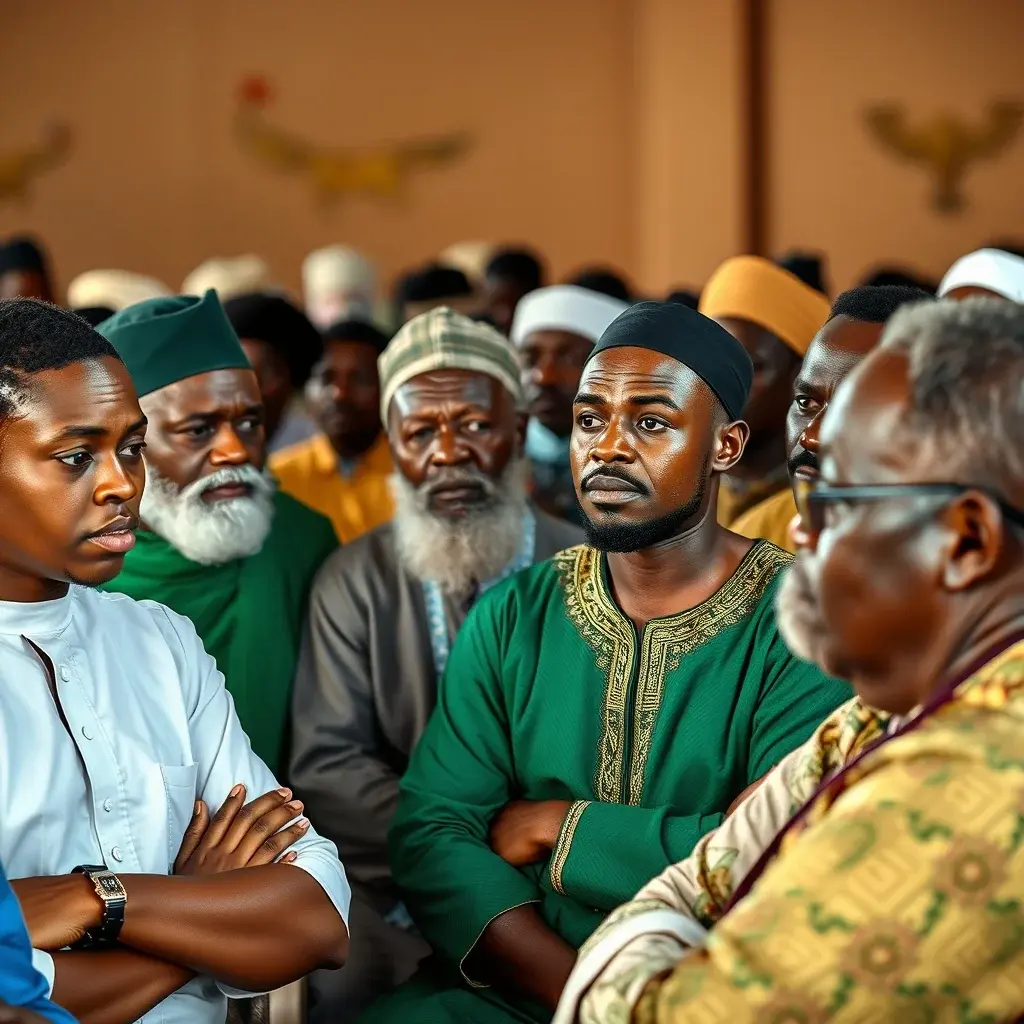
The controversy surrounding the “Great American State Fair” highlights the challenges of organizing large-scale national celebrations, particularly in a politically polarized climate. The incident underscores the importance of transparent communication with performers and the public regarding event affiliations.
For artists, the situation serves as a reminder of the scrutiny they face and the need for due diligence when booking appearances. For organizers, it presents a significant public relations challenge and raises questions about their ability to deliver a truly inclusive event.
Moving forward, attention will be on whether Freedom 250 can successfully pivot from the controversy and attract attendees. It remains to be seen if additional artists will withdraw or if new performers will be added to the lineup. The success of the fair may depend on its ability to demonstrate its non-partisan mission and unite Americans as intended, or if the political undertones will continue to overshadow the celebration.



Leave a Reply