

Scientists from the Ghana Atomic Energy Commission are highlighting the invisible threat of radon gas, a naturally occurring radioactive pollutant, which poses a significant and often overlooked risk for lung cancer, even in non-smokers. This warning comes as research identifies specific areas in Ghana with elevated radon concentrations, potentially linked to geological factors.
Understanding the Invisible Threat
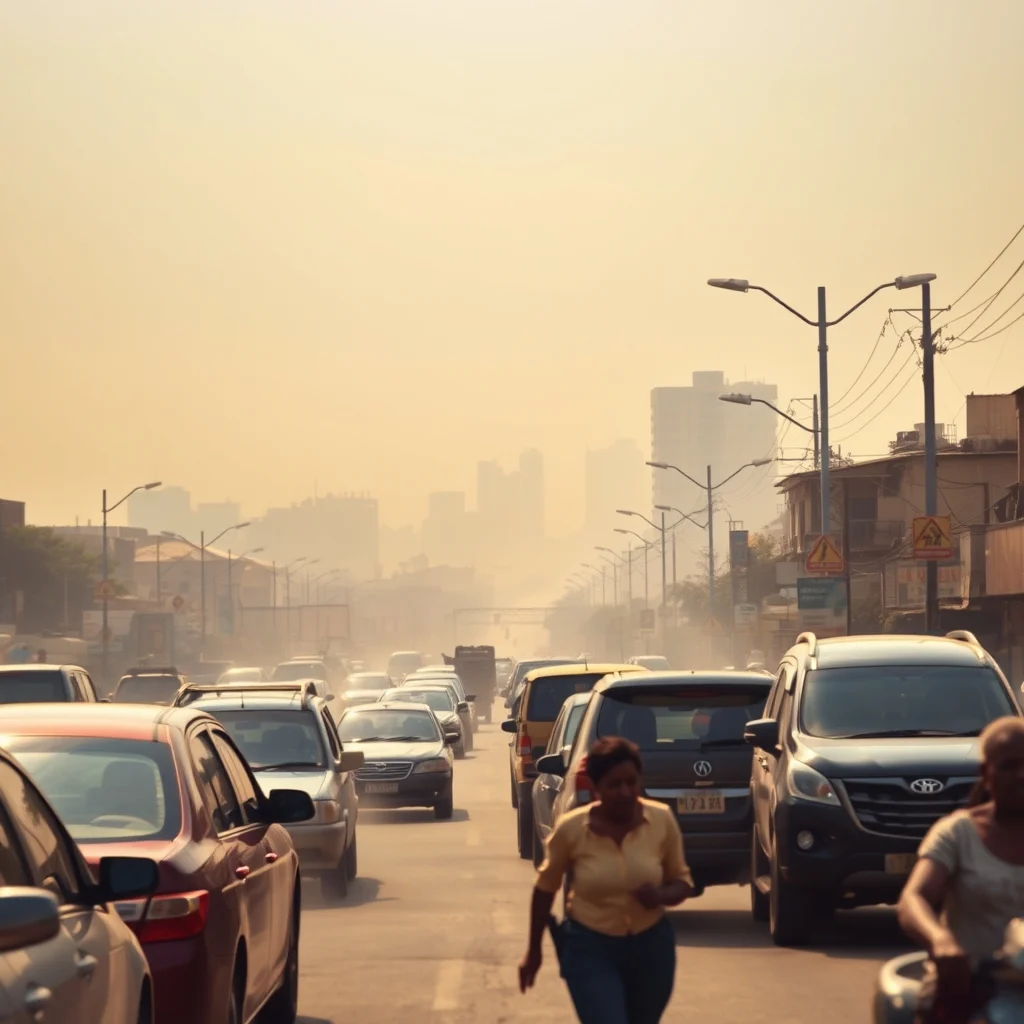
While public attention often focuses on visible air pollutants like vehicle emissions, dust, and waste burning, radon gas presents a silent danger. Dr. Irene Opoku-Ntim, a Senior Research Scientist at the Ghana Atomic Energy Commission, explains that radon is a hidden risk contributing to lung cancer, independent of smoking and other known pollutants.
Radon is a radioactive gas that emanates from the natural breakdown of uranium in soil, rock, and water. It can seep into buildings through cracks in foundations, gaps in walls, and poorly ventilated areas.
Once inside homes, radon can accumulate to dangerous levels because it is heavier than air and does not dissipate easily. Prolonged inhalation of radon particles can damage lung tissue, leading to an increased risk of developing lung cancer over time.
Global and Local Concerns
The World Health Organization (WHO) has established guidelines for indoor radon levels, indicating that concentrations above 100 becquerels per cubic metre (Bq/m³) warrant action to mitigate exposure. High indoor radon is recognized globally as a leading cause of lung cancer among non-smokers.
Researchers in Ghana have developed a preliminary radon map that highlights areas with higher concentrations of the gas. This mapping effort has revealed a correlation between high radon levels and regions prone to seismic activity.
Geological Links and High-Risk Areas
Dr. Opoku-Ntim noted that areas identified with high radon concentrations, such as Weija, Kasoa, and McCarthy Hill, are often situated along known fault lines. This geological connection suggests that the movement and fracturing of the earth’s crust in these fault zones may facilitate the release of radon from underground sources.
The research indicates that as radon gas is released from the ground, it can travel upwards along these geological fault lines and enter structures built above or near them. This makes homes in these specific locations potentially more vulnerable to higher indoor radon levels.
Mitigation Strategies and Prevention
Despite the risks, scientists emphasize that measures can be taken to reduce radon exposure. When building new homes in areas with potentially high radon levels, specific construction techniques can be employed.
Dr. Opoku-Ntim advises testing soil for radon if building in a susceptible area. The use of polyethylene sheeting during foundation construction is recommended as a barrier to prevent radon from entering the home.
For existing homes, sealing cracks and openings in the foundation and walls is crucial. Improving ventilation within the home can also help to dilute and expel accumulated radon gas.
The Path Forward: Awareness and Testing
The researchers stress that increasing public awareness about the dangers of radon is paramount. Many individuals are unaware of the invisible threat within their own homes, especially if they do not smoke.
Encouraging regular radon testing in homes, particularly in identified high-risk zones, is essential for families to understand their exposure levels and take appropriate action. This proactive approach can significantly reduce the long-term health risks associated with radon exposure.
This investigation was a collaborative effort with New Narratives, supported by funding from the Clean Air Fund, which maintained editorial independence throughout the process.









Leave a Reply