
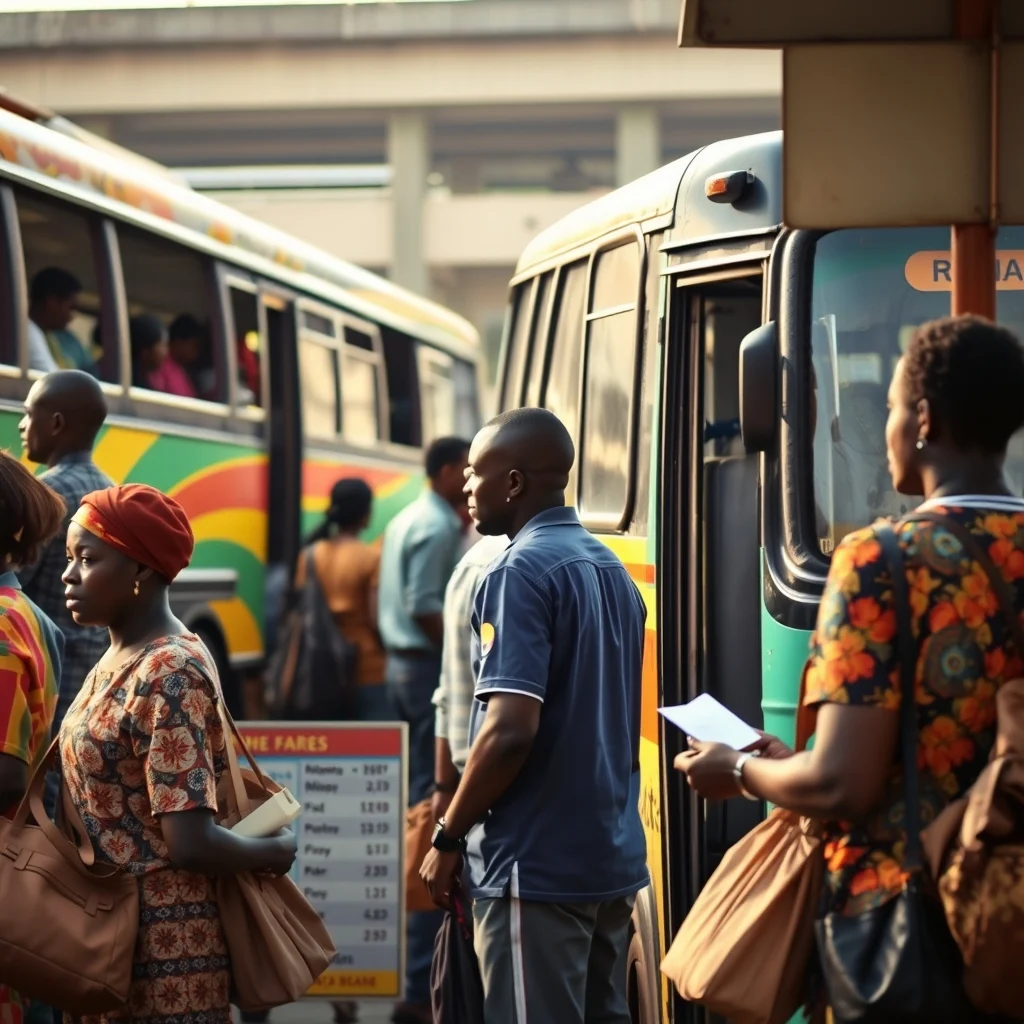
The Chamber of Petroleum Consumers (COPEC) has endorsed a 20 per cent increase in public transport fares, effective June 2, 2026, citing escalating operational costs for transport unions like the Ghana Private Road Transport Union (GPRTU) and Commercial Transport Operators of Ghana. This adjustment aims to balance the financial strain on operators due to fluctuating fuel prices and other expenses.
Context of Rising Costs
Transport operators have been absorbing significant cost pressures for an extended period. Fuel prices, a major component of operating expenses, have seen recent upward adjustments. This situation has made it increasingly challenging for drivers and transport companies to maintain profitability under previous fare structures.
Duncan Amoah, Executive Secretary of COPEC, stated that transport operators have shown considerable restraint. He highlighted that the current economic climate, especially with anticipated fuel price hikes, could render their operations unsustainable if fares remained unchanged.
Justification for the Fare Adjustment
Mr. Amoah explained that transport fares were previously reduced when fuel prices were lower. He argued that as fuel prices have returned to higher levels, it is only equitable for fares to revert to previous rates, reflecting the current market conditions.
He further noted that many intercity and long-distance transport providers had already implemented fare increases. Insisting that GPRTU members maintain older rates, he contended, would be a disservice given the prevailing economic realities.
Expert Perspectives and Nuances
While supporting the general need for an adjustment, Mr. Amoah suggested that a 15 per cent increase might have been more appropriate. However, he acknowledged that transport operators likely considered a broader spectrum of increased expenses beyond fuel.
These additional costs include rising insurance premiums and the escalating price of spare parts, which significantly impact vehicle maintenance and overall operational expenditure. The 20 per cent figure, therefore, may reflect a comprehensive assessment of these varied financial pressures.
Implications for Commuters and the Industry
The fare increase will directly affect the cost of commuting for the general public, potentially impacting household budgets. For the transport sector, this adjustment is seen as a necessary measure to ensure the continued viability of services.
The situation underscores the sensitivity of public transportation costs to global commodity prices and economic fluctuations. Stakeholders will be closely monitoring future fuel price movements and the transport unions’ adherence to the new fare structure.
What to Watch Next
Attention will turn to how consumers adapt to the increased fares and whether this adjustment leads to sustained stability in the transport sector. Further monitoring of fuel price trends and potential future negotiations between consumer bodies and transport operators will be crucial in the coming months.









Leave a Reply