
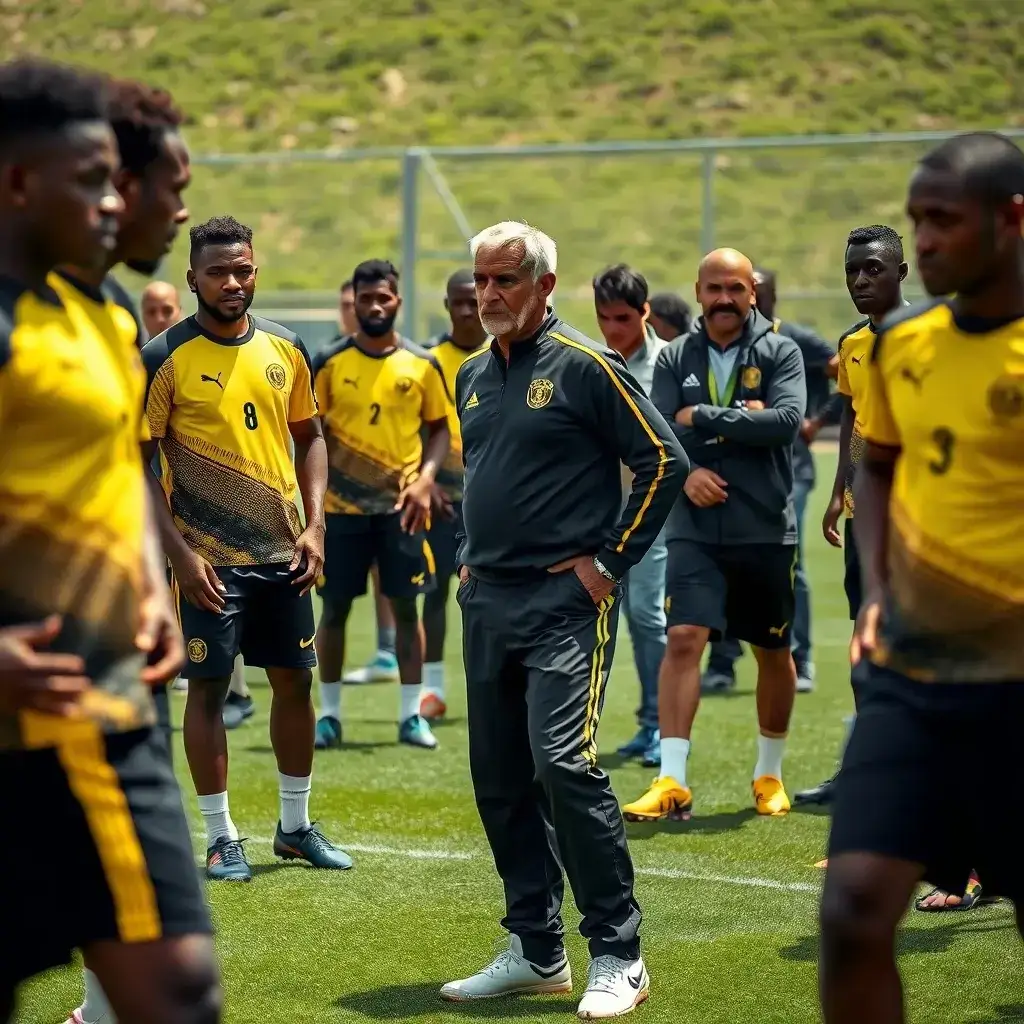
Accra, Ghana – May 25, 2024 – Confusion, rather than excitement, greeted the unveiling of the 28-man provisional squad for Ghana’s senior men’s national football team, the Black Stars, by head coach Carlos Queiroz. This recurring cycle of squad controversy, public outcry, and defensive statements from the Ghana Football Association (GFA) has become a familiar narrative ahead of major tournaments, fueling suspicions that factors beyond pure footballing merit influence player selection.
The Two-Stage Announcement: Manufacturing Controversy
The timing of the announcement, with the final 26-man squad due on June 1 and a friendly against Wales on June 2, highlights a deliberate choice by the GFA to complicate a process that could have been straightforward. Naming 28 players and then trimming two just before a crucial preparatory match unnecessarily generates a week of public debate and speculation, a pattern consistent with the current GFA administration’s management of the national team.
A Provisional List or a Strategic Buffer?
While the GFA and technical team justify the 28-man list as providing flexibility for coach Queiroz to assess players in camp, this approach guarantees a second wave of controversy when the final cuts are made. Instead of a single, definitive announcement, the two-stage process extends uncertainty and allows officials to deflect difficult questions about omissions by pointing to the impending final decision.
The Simpler Path Ignored
Major footballing nations typically announce their final squad for pre-tournament friendlies, simplifying the process and allowing for focused preparation. Ghana’s decision to name a larger provisional squad, generating debate, then reducing it, serves the GFA’s administrative convenience more than the coach, players, or supporters. This approach provides a buffer, allowing for deflection regarding painful omissions, such as Paintsil, Ashimeru, and Köhn, whose futures remain technically unresolved until the final announcement.
A Recurring Narrative in Ghanaian Football
This pattern is not new. Ahead of the 2022 World Cup, accusations of corruption surfaced following Jeffrey Schlupp’s omission, with then-coach Otto Addo publicly thanking GFA President Kurt Okraku for allowing him autonomy—a statement that implied external pressures. Following Addo’s dismissal, former GFA Vice President George Afriyie blamed Okraku for sidelining stakeholders in national team decisions.
GFA’s Defense and Underlying Structural Issues
The GFA has detailed extensive scouting efforts, reviewing hundreds of videos and matches, and scouting numerous players. However, these efforts do not address the core concern: whether the coach has genuine autonomy in final selection. The GFA’s retention of local assistants and perceived influence on backroom staff composition raises questions about who truly controls squad decisions, irrespective of scouting data.
The Foreign Coach Conundrum
Ghana’s most successful World Cup campaign, the 2010 quarter-final, occurred under Serbian coach Milovan Rajevac. Conversely, poorer performances have often coincided with periods of visible GFA influence. While Carlos Queiroz, with his extensive international experience, may be more resistant to interference, the underlying structures that permit such influence remain intact.
Pathways to Clarity and Trust
The fundamental solution lies in insulating squad selection from administrative influence and simplifying the announcement process. Naming a definitive squad, providing clear justifications for selections and omissions, and concluding the process in one announcement would foster greater clarity and respect for players and fans. The current two-stage approach, while seemingly minor, reflects a culture of managing optics rather than prioritizing transparency.
Looking Ahead: The Persistent Question
As Ghana prepares for the 2026 World Cup in Group L alongside Panama, England, and Croatia, the team possesses genuine talent and a respected coach. However, by June 1, when the final 26-man squad is revealed, the perennial question will resurface: did the best players earn their spots, or were the ‘right’ players chosen? The answer hinges on whether the GFA can move beyond its established patterns of complexity and controversy to foster genuine trust and transparency in its management of the Black Stars.
By Joseph Okan-Mensah Khartey ESQ
Sports Enthusiast And Trainee Associate, Afrimore Advisors PRUC







Leave a Reply