
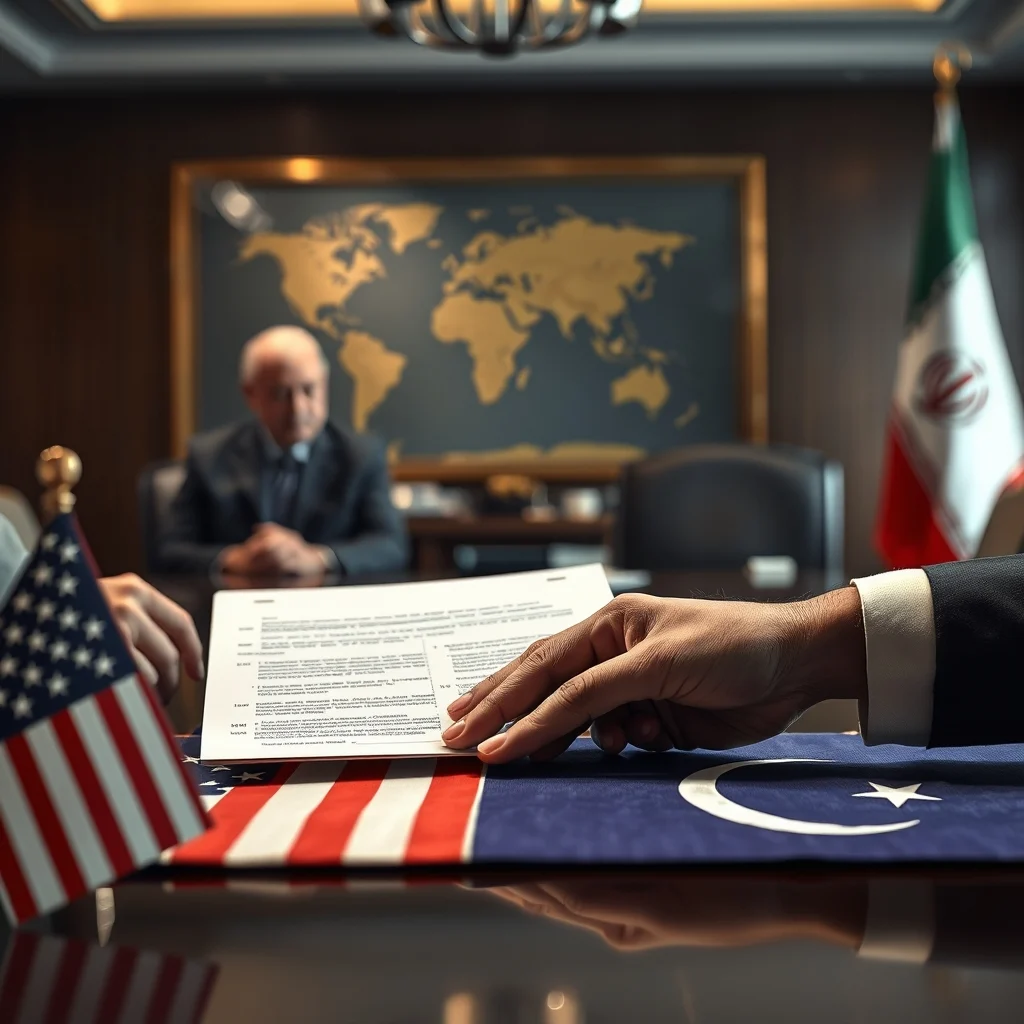
President Donald Trump has reportedly requested additional edits to a proposed ceasefire framework with Iran, aiming to end recent hostilities that began earlier this year. These proposed changes, focusing on issues such as the Strait of Hormuz and the removal of highly enriched uranium, come as negotiations continue, according to US media reports. The White House has not yet issued a formal comment on the latest developments.
Context of Ongoing Diplomacy
The current diplomatic efforts are part of a broader, months-long negotiation process mediated by Pakistan. These discussions aim to establish a formal agreement to halt the recent fighting between the United States and Iran. The latest iteration of the proposed deal, as reported by Axios and CBS News, includes a 60-day cessation of violence and a framework for reopening talks on Iran’s nuclear program.
Reports indicate that if diplomacy progresses, the deal could involve potential sanctions relief for Iran, potentially unfreezing billions of dollars in assets. This development follows earlier reports from Thursday, where US officials stated that both countries had agreed on a preliminary memorandum of understanding, pending final approval from President Trump and Iranian leadership.
Edits and Sticking Points
President Trump has been actively involved in shaping the terms of the potential agreement. During a meeting with senior aides on Friday, he reportedly requested several amendments to the proposed deal. These edits appear to be in addition to previous changes made to the US proposal, marking the third round of suggested modifications, according to CBS News.
A key point of contention remains Iran’s nuclear program. President Trump has repeatedly emphasized his primary condition: that Iran must never possess nuclear weapons. He expressed this stance in an interview on Thursday, stating, “The one guarantee that I have to have is that there will be no nuclear weapons. They’ve agreed to that.” However, Iranian officials have cast doubt on the certainty of these agreements.
Mohammad Bagher Ghalibaf, Iran’s chief negotiator, stated on Sunday that Tehran would not accept any deal that did not fully secure Iranian rights. This sentiment underscores the delicate balance required to satisfy both parties.
Divergent Messaging and Potential Escalation
While President Trump has expressed optimism and a sense of progress in negotiations, Iranian officials have offered a more cautious perspective. Iranian Foreign Minister Abbas Araghchi commented that “until a clear conclusion is reached… everything that is being said now is speculation,” as reported by state media. The Tasnim news agency further noted that the back-and-forth on the text is ongoing, with both sides regularly proposing amendments.
A significant factor for Iran is the release of frozen assets. Iranian media reports suggest that substantive talks regarding their nuclear program cannot progress until these assets are unfrozen. This highlights the economic dimension intertwined with the security and nuclear aspects of the negotiations.
Adding to the uncertainty, US Defense Secretary Pete Hegseth remarked over the weekend that should a deal not meet President Trump’s expectations, military strikes could resume. He assured that US stockpiles are sufficient to support such actions, indicating a readiness to revert to a more confrontational posture if diplomacy falters.
Implications and Future Outlook
The ongoing, iterative nature of these negotiations suggests that a final agreement remains elusive. The insistence on specific edits by President Trump indicates a strong desire to ensure the deal aligns with his administration’s security priorities, particularly concerning Iran’s nuclear ambitions and regional stability. For readers, this signifies a continued period of geopolitical tension in the Persian Gulf region.
The potential for sanctions relief and the unfreezing of assets holds significant economic implications for Iran. However, the success of these measures is contingent on reaching a comprehensive agreement. The possibility of renewed military action, as suggested by Secretary Hegseth, looms as a stark reminder of the fragile peace and the potential for escalation. Observers will be watching closely for any definitive statements from either the White House or Tehran, and whether Pakistan’s mediation efforts can bridge the remaining gaps in the coming weeks.


Leave a Reply