
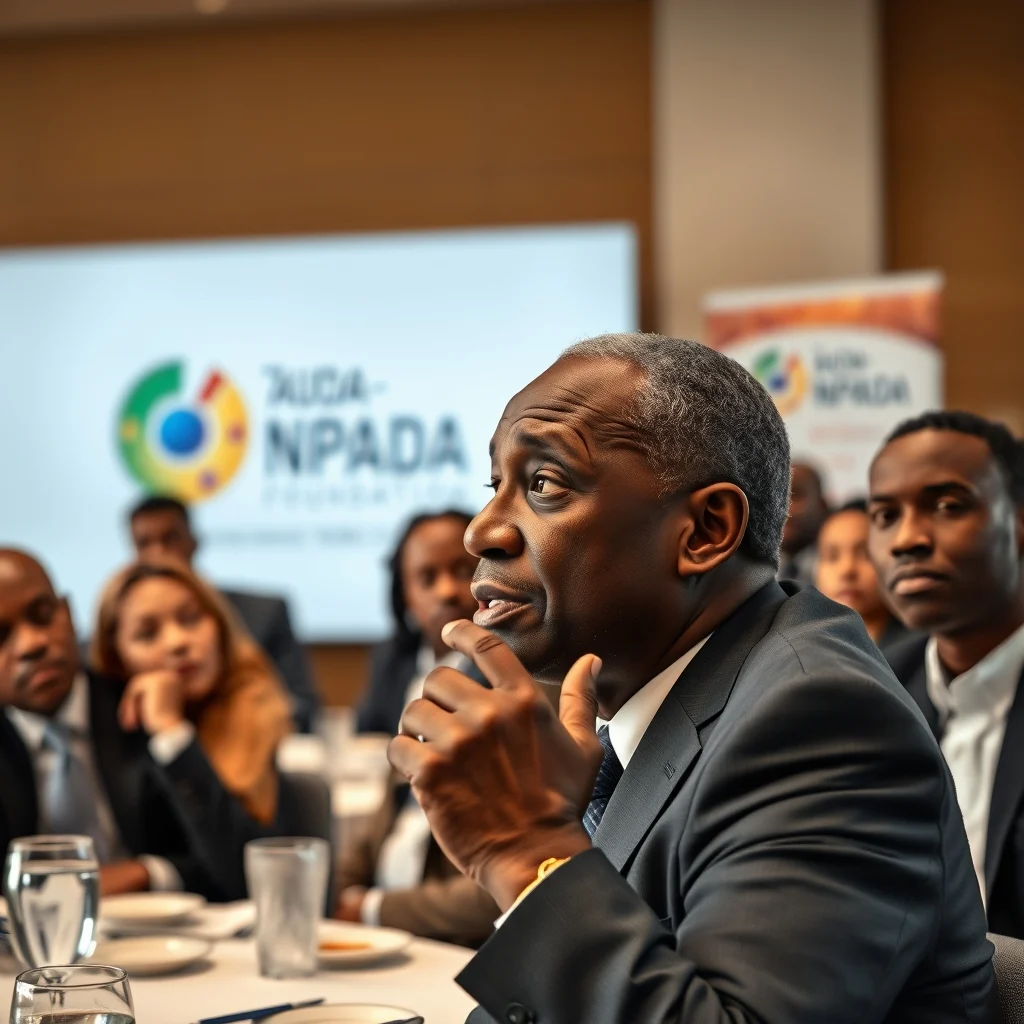
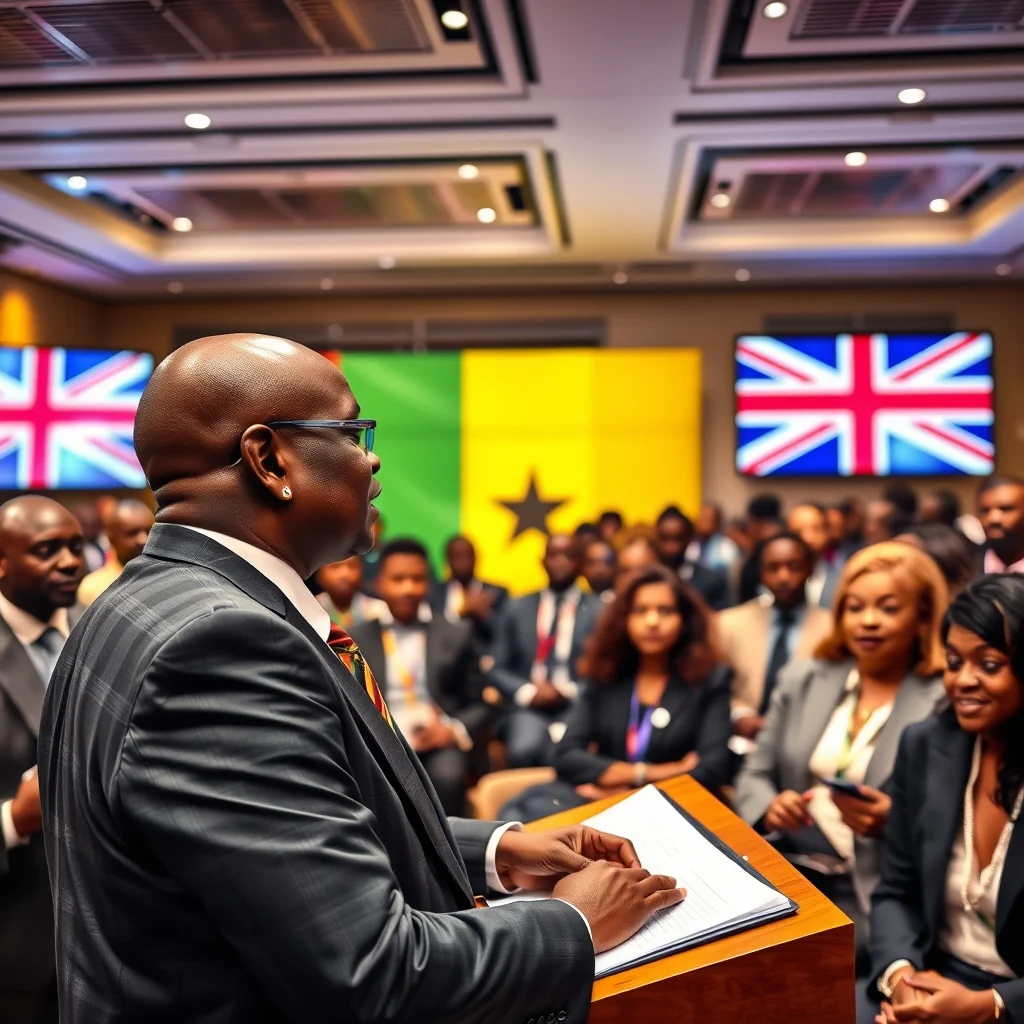
Former South African President Thabo Mbeki has strongly refuted claims linking undocumented African migrants to the nation’s high unemployment rate, asserting that public anger is misdirected. Speaking at a Thabo Mbeki Foundation and AUDA-NEPAD Business Breakfast this week, Mbeki argued that the true causes of South Africa’s economic woes are being ignored while foreign nationals face increasing hostility.
Context of Rising Tensions
Mbeki’s remarks come amid a surge in anti-immigrant sentiment and protests across South Africa. This heightened tension has led to an increase in reported incidents of xenophobia, with nearly 300 Ghanaians returning to their home country this week due to safety concerns.
Mbeki’s Core Argument
Acknowledging the severe challenges South Africa faces, including significant unemployment and crime, Mbeki directly addressed the scapegoating of migrants. He stated, “We’ve got many problems here. The problem legitimately led to high levels of unemployment, that’s correct. High levels of crime, that’s correct. But the finger is being pointed at the wrong people.”
He emphatically rejected the notion that undocumented Africans are the cause of the country’s economic struggles. “The levels of high unemployment in this country are not due. They are not due to undocumented Africans. They are not,” Mbeki declared.
Economic Trajectory and Systemic Issues
According to Mbeki, South Africa’s economic decline is a well-documented phenomenon with roots predating significant immigration. He pointed to the nation’s economic history, noting that growth rates reached up to 6% between 1994 and 2008. “From 2009, it goes the opposite direction. It isn’t caused by undocumented immigrants,” he explained.
Mbeki suggested that the individuals and policies responsible for this economic downturn have evaded public accountability. “The people who cause that decline, they are laughing in a corner there, because we’re pointing not at them, but we’re pointing somewhere else. It’s wrong,” he lamented.
Future of Migration and Societal Response
Looking ahead, Mbeki predicted that migration from other African nations to South Africa would persist. “The Africans will continue to come to South Africa. It doesn’t matter what you do,” he stated.
He urged South Africans to adopt practical approaches to managing migration rather than viewing migrants as the source of their problems. “You are not going to solve the problem of unemployment here by shouting against undocumented Africans, and leaving the culprit,” Mbeki advised.
Historical Solidarity and Call for Truth
Mbeki invoked the shared history of liberation struggles across the continent, reminding his audience of the solidarity shown during the anti-apartheid movement. “People are beating drums about the wrong people and failing to understand an organic connection between these Africans on the continent and these Africans here, because we’re together in the same struggle. You can’t certainly turn against them,” he emphasized.
He implored South Africans to confront the factual causes of their economic challenges, warning against what he termed “fiction” and “chasing after ghosts.” Mbeki asserted that the real culprits behind the economic decline are present within the country, though unnamed in his address, and that public anger is being misdirected.
Looking Ahead
Mbeki’s intervention highlights a critical juncture for South Africa, challenging prevailing narratives around immigration and unemployment. The focus now shifts to whether policy makers and the public will heed his call to address systemic economic issues rather than scapegoating vulnerable populations. The continued trajectory of both migration patterns and public discourse on the matter will be crucial indicators of South Africa’s path forward.

Leave a Reply