

Ho Central Member of Parliament, Richmond Edem Kpotosu, has advised Ghanaians to prepare for potential international consequences following the passage and impending assent of the Human Sexual Rights and Ghanaian Family Bill, 2025. He suggests that Ghana’s stance on same-sex relationships could lead to reduced foreign aid and other forms of international support.
Bill’s Passage and Potential Fallout
Kpotosu made these remarks during a roundtable discussion in Ho, the Volta Regional capital, convened by his office to discuss the controversial bill. The discussion aimed to deliberate on the implications of the legislation, which has drawn significant attention both domestically and internationally.
The lawmaker acknowledged that while Ghana might face economic or diplomatic challenges due to the bill, he expressed confidence in the nation’s resilience. “We may suffer, but we shall prevail,” Kpotosu stated, emphasizing the need for preparedness.
He also addressed internal parliamentary dynamics surrounding the bill’s passage. Kpotosu refuted claims by some Minority MPs that the bill was diluted, asserting that it remains substantially intact. He further suggested that former President Nana Akufo-Addo would likely not have assented to the bill in its current form, indicating a strong executive stance against LGBTQ+ rights.
Kpotosu elaborated on the parliamentary process, suggesting that opposition MPs remained silent on procedural matters like quorum to avoid appearing to obstruct the anti-LGBTQ+ agenda. He believes that if the current version of the bill were presented to the former President, it would not receive his signature, implying a pre-existing commitment to signing such legislation.
Broader Societal Context and Condemnation of Xenophobia
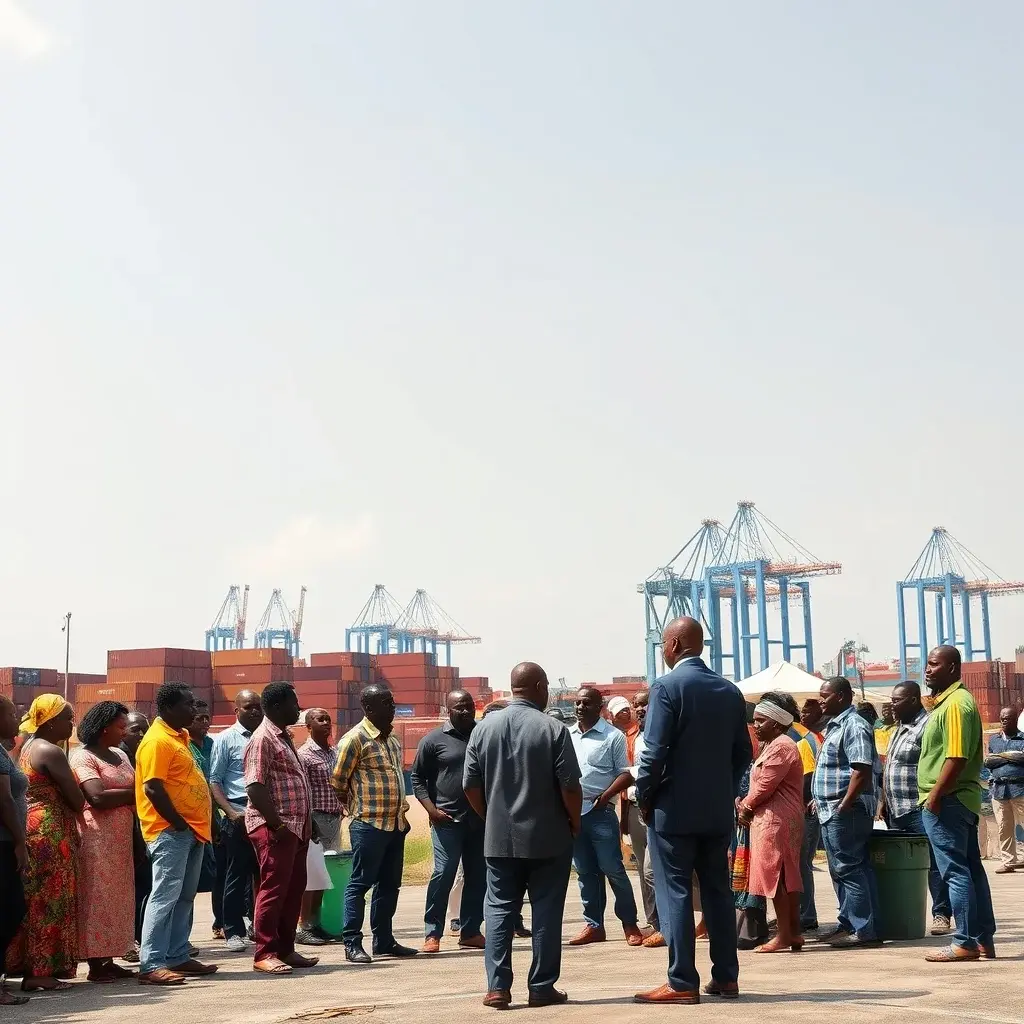
The roundtable discussion brought together a diverse group of stakeholders, including youth leaders, security personnel, civil society representatives, religious leaders, and traditional authorities. Participants engaged in discussions about preserving Ghanaian cultural and moral values in light of the new legislation.
In a related development, Mr. Kpotosu condemned the recent xenophobic attacks in South Africa. He expressed solidarity with Ghanaians affected by the violence and called for national efforts to create a more prosperous Ghana that reduces the need for citizens to seek opportunities abroad.
The event concluded with a commitment from participants to foster respectful and informed public discourse on the bill and other evolving social issues facing the nation.
Expert Perspectives and Data Points
While the article does not provide specific data points on potential aid reductions, the MP’s warning echoes concerns raised by international human rights organizations and development partners. Such organizations often link foreign aid and development assistance to a country’s adherence to human rights standards, which can include non-discrimination based on sexual orientation.
Historically, several African nations have experienced shifts in foreign aid following the implementation of anti-LGBTQ+ legislation, with some European countries, in particular, reviewing their financial support. The economic impact can extend beyond direct aid, affecting trade relations and investment climates.
Implications and What to Watch Next
The passage of the Human Sexual Rights and Ghanaian Family Bill, 2025, and the subsequent warnings from lawmakers like Kpotosu signal a period of potential international scrutiny for Ghana. The government and citizens will need to navigate the economic and diplomatic consequences that may arise from the bill’s implementation.
Moving forward, it will be crucial to monitor how international bodies, foreign governments, and multinational corporations react to the bill. Observers will also be watching for any shifts in foreign aid commitments and the broader impact on Ghana’s international trade and investment landscape. The nation’s ability to balance its cultural values with its international partnerships will be a key story to follow.







Leave a Reply