
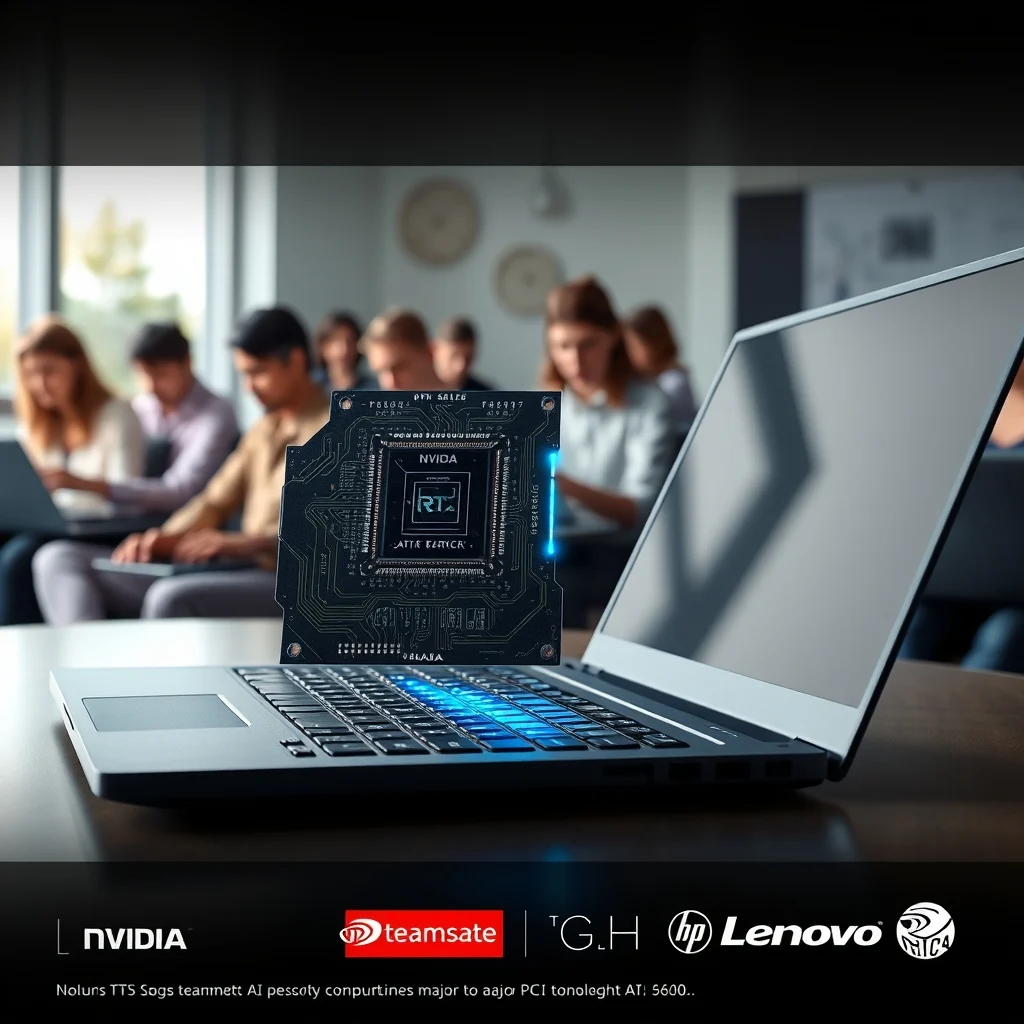
Nvidia has officially entered the consumer personal computer market with the announcement of its new RTX Spark AI chip. Unveiled by CEO Jensen Huang on Monday ahead of Taiwan’s Computex trade show, the chip is designed to power a new generation of PCs that function as AI “teammates” rather than mere tools. This move signifies a major push into personal AI integration, potentially reshaping the user experience as profoundly as the advent of the smartphone.
The RTX Spark is described by Nvidia as a “superchip” engineered for the emerging landscape of personal AI agents. It aims to transform everyday computing by enabling devices to offer more proactive and intelligent assistance. This new class of computer is set to debut in a range of Windows PCs from major manufacturers including Lenovo, HP, Dell, Microsoft Surface, Asus, and MSI. These AI-enhanced machines are expected to hit the market in the autumn, with Acer and Gigabyte models slated for a later release.
Context: The AI Chip Dominance and Shifting Market Dynamics
Nvidia’s announcement comes at a time when the company has achieved unprecedented market valuation, soaring past $5 trillion, largely driven by the insatiable demand for its high-performance chips in data centers powering the AI revolution. This success has positioned Nvidia as a dominant force in the AI hardware sector.
The introduction of the RTX Spark into the personal computer arena represents a direct challenge to established giants like Apple and Intel, who have long dominated the PC processor market. According to data from Gartner, the top PC manufacturers – Lenovo, HP, Dell, and Apple – collectively held nearly 75% of the global PC market share in the first quarter of this year, highlighting the competitive landscape Nvidia is entering.
A New Class of Personal Computing
Nvidia CEO Jensen Huang drew a bold parallel between the current AI revolution in personal computing and the transition from basic mobile phones to smartphones. “This reinvention of the computer is as big of a deal as the reinvention of the phone into what we now know as the smartphone,” Huang stated during his keynote. The RTX Spark is envisioned to be the engine behind this transformation, enabling PCs to handle complex AI tasks locally.
This shift towards on-device AI processing promises enhanced privacy and responsiveness, as sensitive data may no longer need to be sent to the cloud for processing. The RTX Spark is designed to facilitate a more seamless interaction between users and their devices, moving towards a future where personal computers act as intelligent assistants, anticipating needs and proactively offering support.
Geopolitical Undercurrents: US Chip Export Controls
Coinciding with Nvidia’s consumer-focused announcement, the United States took steps to tighten regulations on the export of its most advanced AI chips to China. On Sunday, the Department of Commerce’s Bureau of Industry and Security (BIS) issued new guidance clarifying licensing requirements for advanced AI chips, including Nvidia’s Blackwell processors, to subsidiaries of Chinese companies operating outside of China.
This move by Washington aims to close potential loopholes and further restrict China’s access to cutting-edge semiconductor technology crucial for developing advanced AI capabilities. The US has been actively working to prevent Chinese firms from acquiring these high-end chips, reflecting ongoing geopolitical tensions surrounding AI development and national security.
Implications for Consumers and the Industry
The arrival of the RTX Spark-equipped PCs signals a significant shift for consumers, promising more powerful and intelligent personal computing experiences. Users can anticipate AI features being deeply integrated into their operating systems and applications, from enhanced content creation tools to more personalized digital assistants.
For the PC industry, this launch intensifies competition and could spur further innovation in hardware and software. The move also potentially challenges the integrated ecosystems of companies like Apple, which designs both its hardware and AI-centric software. The success of RTX Spark will depend on developer adoption and the ability of manufacturers to deliver compelling AI-driven user experiences at competitive price points. Watch for how quickly other chip manufacturers respond and the types of AI applications that emerge to leverage this new personal AI hardware.










Leave a Reply