
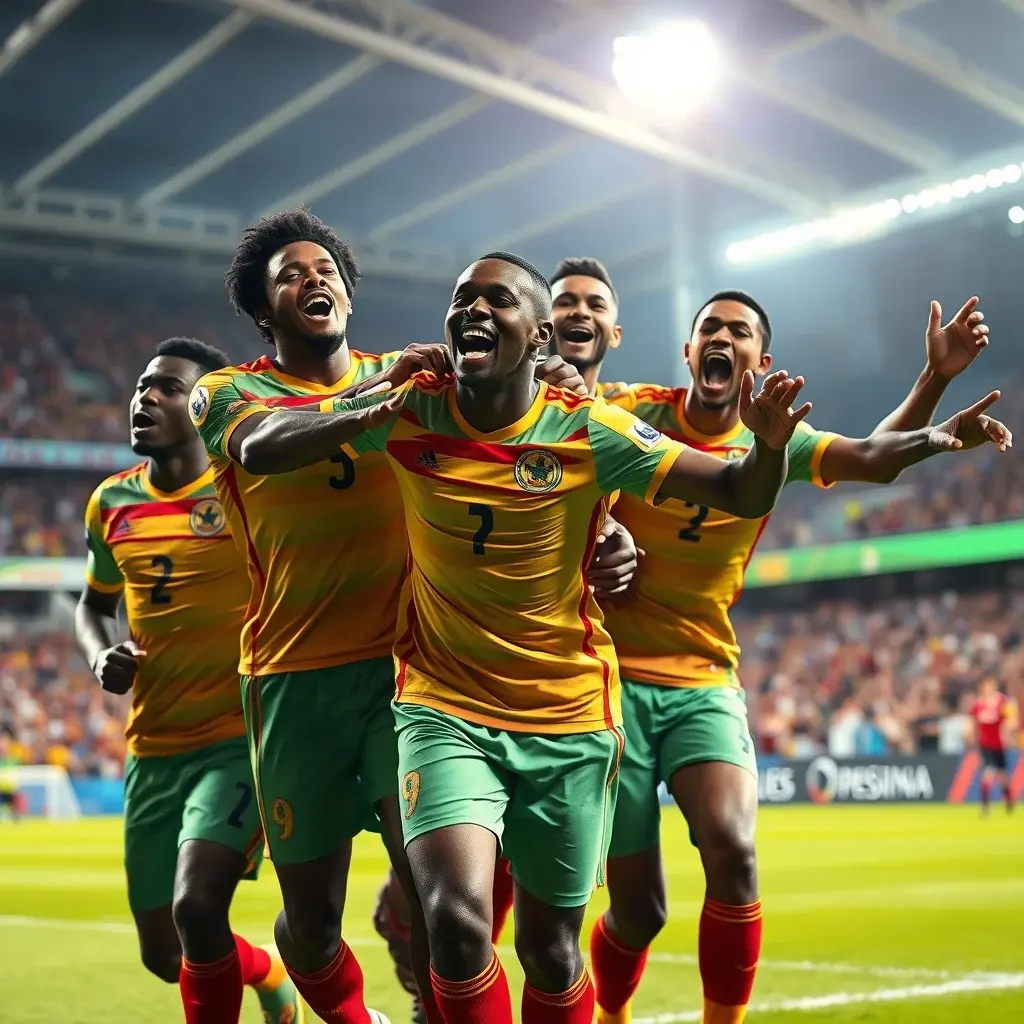
Ghana head coach Carlos Queiroz finalized his 26-man squad for the 2026 FIFA World Cup in North America on [Date of Announcement – e.g., Friday], trimming the provisional list and making key adjustments due to player availability.
Squad Finalization and Key Omissions
The Black Stars’ final roster sees the exclusion of goalkeepers Paul Reverson and Solomon Agbasi from the initial 28-man provisional squad. A significant blow to the team’s defense is the absence of vice-captain Alexander Djiku, who is sidelined by injury.
Derrick Luckassen has been brought in to fill the void left by Djiku, offering defensive reinforcement for the upcoming tournament. This decision marks a crucial point in Queiroz’s preparations as he aims to assemble a cohesive and competitive unit.
Goalkeeping Options
In goal, Benjamin Asare, Lawrence Ati-Zigi, and Joseph Anang have been selected. Ati-Zigi is expected to be the primary starter, bringing experience from previous international campaigns.
Defensive Reinforcements
The defensive line includes Baba Abdul Rahman, Gideon Mensah, Marvin Senaya, and Alidu Seidu. Central defensive options comprise Abdul Mumin, Jerome Opoku, Jonas Adjetey, Kojo Oppong Nkrumah Preprah, and the newly included Derrick Luckassen.
The inclusion of Luckassen provides depth and tactical flexibility in a crucial area of the pitch, especially with Djiku’s unavailability.
Midfield Strength
Ghana’s midfield is bolstered by the presence of Thomas Partey, who brings significant international experience and leadership. Elisha Owusu, Kwasi Sibo, Augustine Boakye, Caleb Yirenkyi, and Abdul Fatawu Issahaku are also named.
Kamaldeen Sulemana’s inclusion adds pace and creativity to the midfield, offering another attacking threat. The blend of experience and emerging talent in this department is key to Ghana’s aspirations.
Attacking Prowess
The forward line features established stars like Jordan Ayew and Inaki Williams. Antoine Semenyo, Ernest Nuamah, and Christopher Bonsu Baah are also set to spearhead the attack.
Young talents such as Brandon Thomas-Asante and Prince Kwabena Adu complete the attacking contingent, promising a dynamic and unpredictable frontline for opponents.
Strategic Implications for Ghana
The final squad selection reflects Coach Queiroz’s strategy for the World Cup, balancing experience with youthful exuberance. The omission of Djiku, a key defender, presents a challenge that Luckassen and others will need to address.
Ghana, a consistent participant in World Cups, will be looking to make a significant impact in North America. The team’s performance will depend on the synergy developed between established stars and new inclusions in the coming months.
Looking Ahead
With the squad now finalized, the focus shifts to team cohesion and tactical preparation. Fans will be eager to see how this blend of players performs on the global stage, particularly how the defense adapts without Djiku and how the attacking unit can exploit opposition defenses. The performance of key midfielders like Partey and the integration of younger forwards will be critical indicators of Ghana’s potential success in the 2026 FIFA World Cup.






Leave a Reply