

Calls are intensifying for Ghana’s Special Prosecutor’s Office (OSP) to be granted expanded powers to combat corruption, following a recent survey indicating it holds higher public trust than other accountability institutions. This momentum follows a regional dialogue in Tamale where participants urged the OSP be better equipped for investigation, prosecution, and asset recovery.
Context of Corruption Concerns
Corruption remains a significant challenge in Ghana, impacting public services and economic development. Various institutions are tasked with its oversight, but public perception of their effectiveness varies. The Office of the Special Prosecutor was established in 2018 to specifically address corruption and related offenses, operating with a degree of independence.
Public Trust in the OSP
A recent eight-year survey conducted by the Ghana Center for Democratic Development (CDD-Ghana) revealed that 55.2 percent of Ghanaians have confidence in the OSP’s ability to fight corruption independently. This places the OSP ahead of other key institutions like the Commission on Human Rights and Administrative Justice (36.7 percent), the Economic and Organised Crime Office (35 percent), and the Attorney General’s Department (19 percent). Approximately 15 percent of respondents expressed distrust in all surveyed institutions.
The survey, which included 412 participants (53.9 percent male, 46.1 percent female), also analyzed responses by age, with 42 percent aged 18-35 and 52.2 percent aged 36-60. These findings underscore a growing public reliance on the OSP as a credible anti-corruption body.
Recommendations for Strengthening the OSP
The CDD-Ghana survey put forth several key recommendations to bolster the OSP’s efficacy. These include enshrining the OSP’s status in the Constitution, ensuring its financial autonomy, and enhancing its prosecutorial powers. The introduction of unexplained wealth orders and the establishment of an independent Anti-Corruption and Ethics Commission were also proposed.
Capacity building for the OSP staff was highlighted as crucial for the office to effectively execute its mandate. These suggestions aim to create a more robust framework for tackling corruption at its roots.
OSP’s Achievements and Challenges
Officials from the OSP highlighted the office’s tangible achievements since its inception. Bright Sowu, an OSP representative, stated that the office has prevented the loss of 7.18 billion cedis (approximately $600 million) to corruption. Currently, 33 individuals are on trial, 35.14 million cedis has been recovered, and seven transactions have been suspended.
Beyond financial recoveries, the OSP has secured convictions and reached over 13,000 people through public education campaigns. Despite these successes, the OSP has faced legal challenges and mixed public perceptions, a reality acknowledged by stakeholders.
Stakeholder Support and Youth Engagement
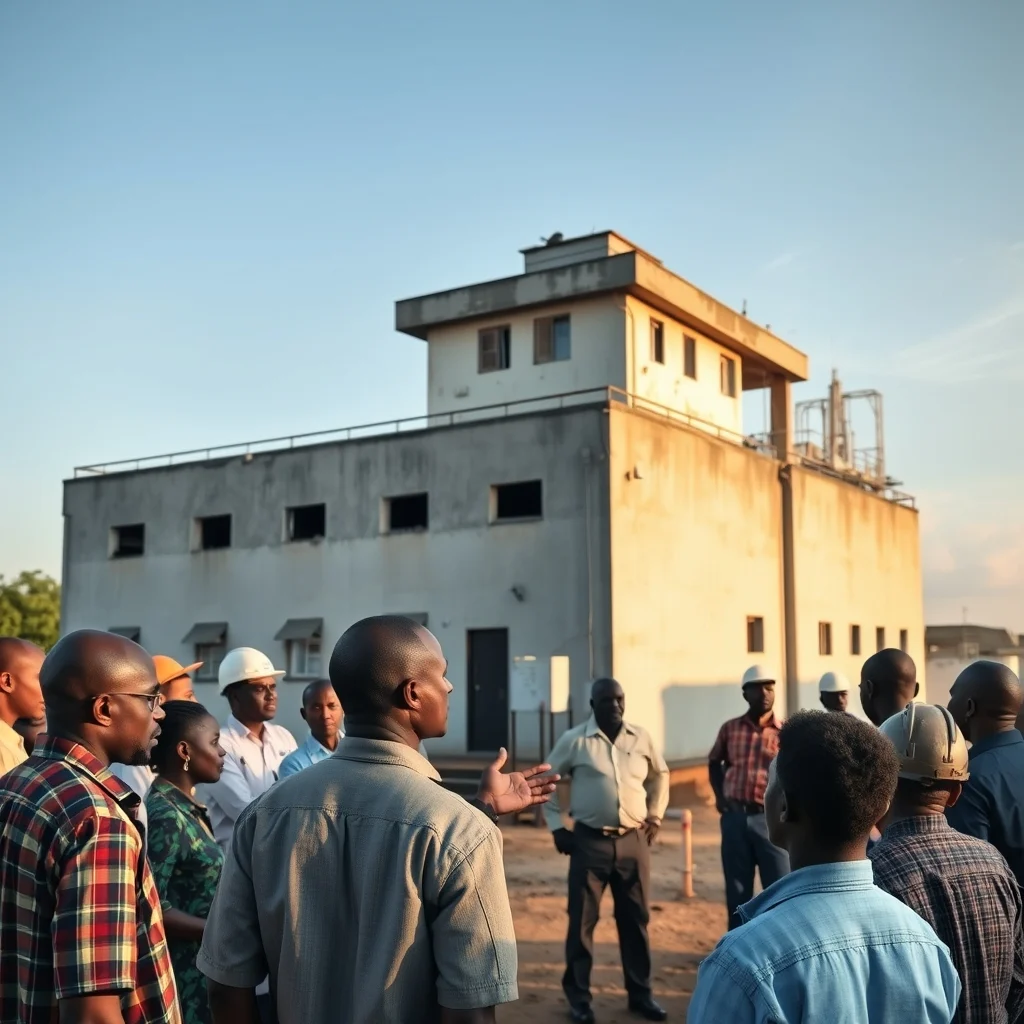
Participants at the Tamale dialogue, convened by CDD-Ghana in collaboration with the OSP, expressed strong support for the OSP’s continued role. Justice Awen-Natey Atiim of RAINS Ghana emphasized the country’s need for the OSP, calling the dialogue informative. Youth advocate Issahaku Abdul Latif urged young people to support the OSP’s mandate impartially, viewing it as the nation’s best hope for corruption-free investigations free from political interference.
The Chief of Gbanyemli, Professor Abdul Rahaman Issahaku, encouraged young Ghanaians to take proactive roles in shaping their future by engaging with and supporting institutions like the OSP. The dialogue was part of the Participation, Accountability and Integrity for a Resilient Democracy programme, supported by Germany’s Federal Ministry for Economic Cooperation and Development, the European Union, and Switzerland’s State Secretariat for Economic Affairs, and implemented by GIZ in partnership with Ghana’s Ministry of Finance.
Implications and Future Outlook
The growing public trust in the OSP, coupled with calls for enhanced powers, suggests a potential shift in how Ghana approaches anti-corruption efforts. If legislative and constitutional reforms are enacted to grant the OSP greater autonomy and prosecutorial strength, it could lead to more effective deterrence and prosecution of corrupt individuals. The OSP’s ability to secure convictions and recover stolen assets will be closely watched as a key indicator of its strengthened mandate’s impact. The engagement of youth groups signals a demand for greater accountability from the next generation of leaders, potentially driving further reforms and public participation in the fight against corruption.








Leave a Reply