
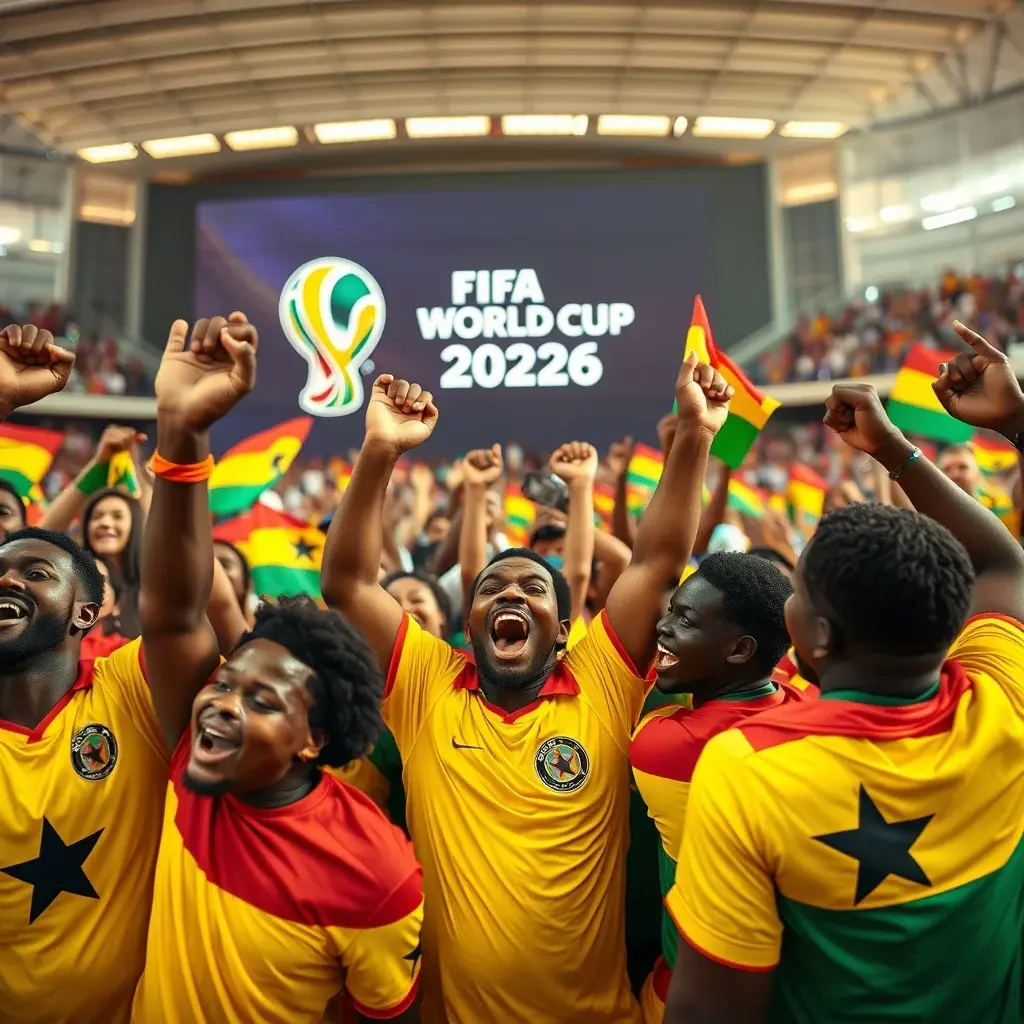
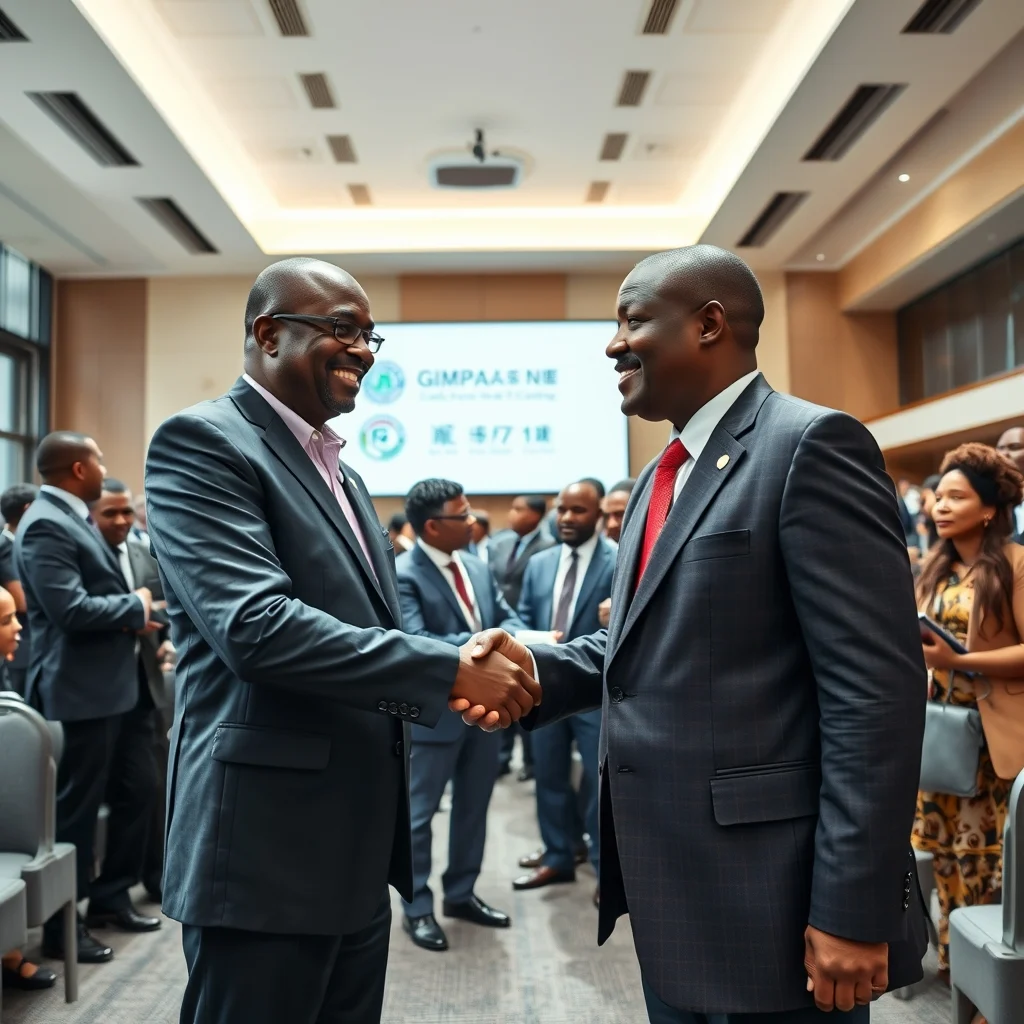
Sports and Recreation Minister Kofi Adams has categorically denied any government involvement in the unofficial sale of tickets for the 2026 FIFA World Cup, asserting that state resources are not being used for ticket trading. The Minister clarified on Monday, June 1, that discussions around ticket distribution are often based on misunderstandings regarding the government’s role in facilitating fan travel to the tournament.
Focus on Facilitation, Not Sales
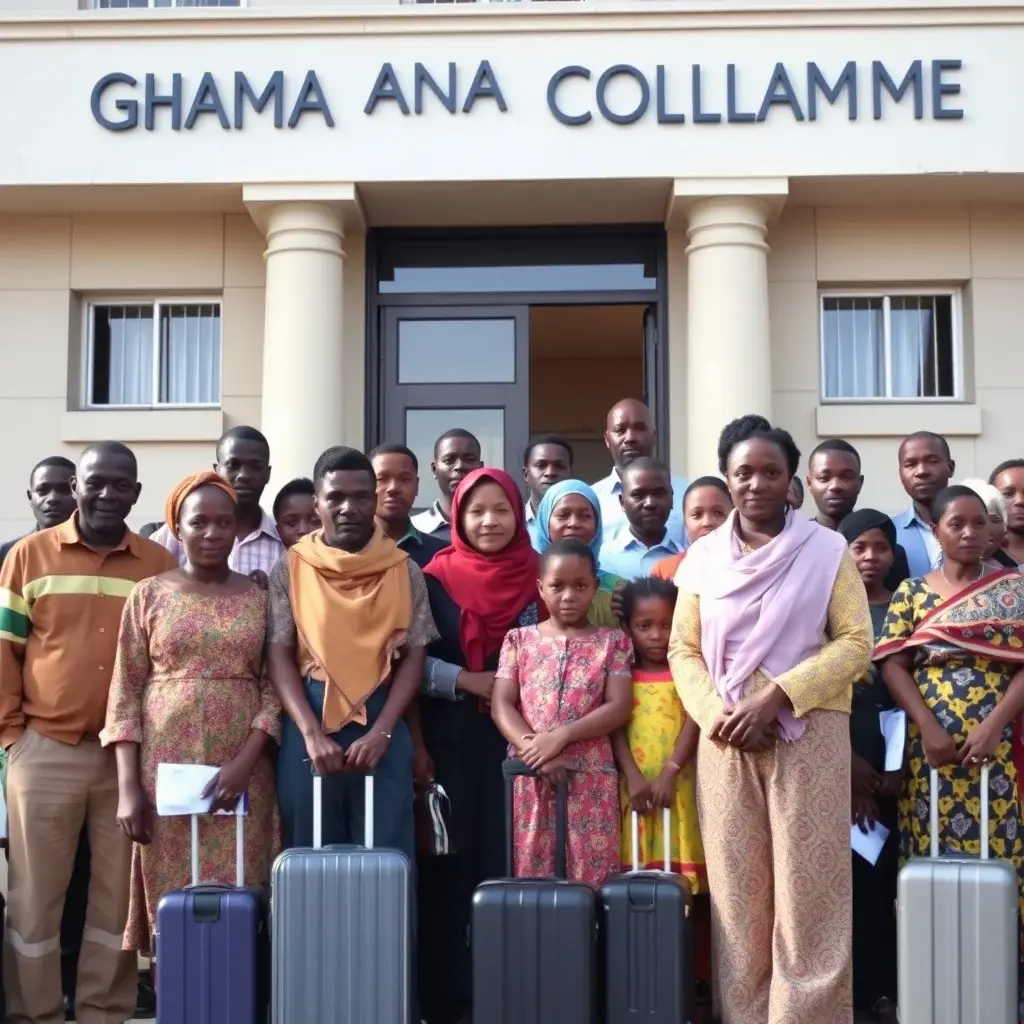
Minister Adams explained that the government’s primary objective is to enable Ghanaian supporters to attend the World Cup, not to engage in commercial ticket sales. He highlighted that the government has actively sought partnerships with private entities to manage supporter mobilization.
These private companies, including travel and tour operators, have independently developed comprehensive fan travel packages. These packages typically include travel, accommodation, and logistical arrangements, and the private operators are entitled to charge commercial rates for these services.
Adams stressed that these commercial arrangements should not be misconstrued as government-controlled ticket distribution. He emphasized that no public funds or budgetary allocations from the state coffers are being used to support these commercial activities.
Private Sector Engagement and Sponsorship
The government’s strategy involves engaging private companies and sponsors to support the mobilization of supporters. This approach aims to reduce the financial burden on the state while simultaneously encouraging broader participation from the private sector in supporting national team endeavors.
By leveraging private sector investment and expertise, the government seeks to create more accessible and comprehensive travel options for fans wishing to support the Black Stars at the global tournament.
Combating Ticket Fraud
Addressing concerns about potential ticket fraud and unauthorized resale, Minister Adams detailed measures implemented in collaboration with FIFA. Ghana’s ticketing arrangement for the 2026 World Cup utilizes an electronic system.
This electronic system directly links tickets to individual email addresses. This measure is designed to enhance security and make it significantly more difficult for tickets to be traded on the black market or through unauthorized channels.
In certain instances, tickets may be allocated to groups of up to 20 supporters. A designated leader within each group will be responsible for coordinating access to the match venues, adding another layer of controlled distribution.
Enhanced Transparency and Security
According to the Minister, the current electronic ticketing system offers a substantial improvement in transparency and security compared to previous World Cup arrangements. The goal is to ensure that genuine supporters have a fair and equitable opportunity to attend matches and cheer for the Black Stars.
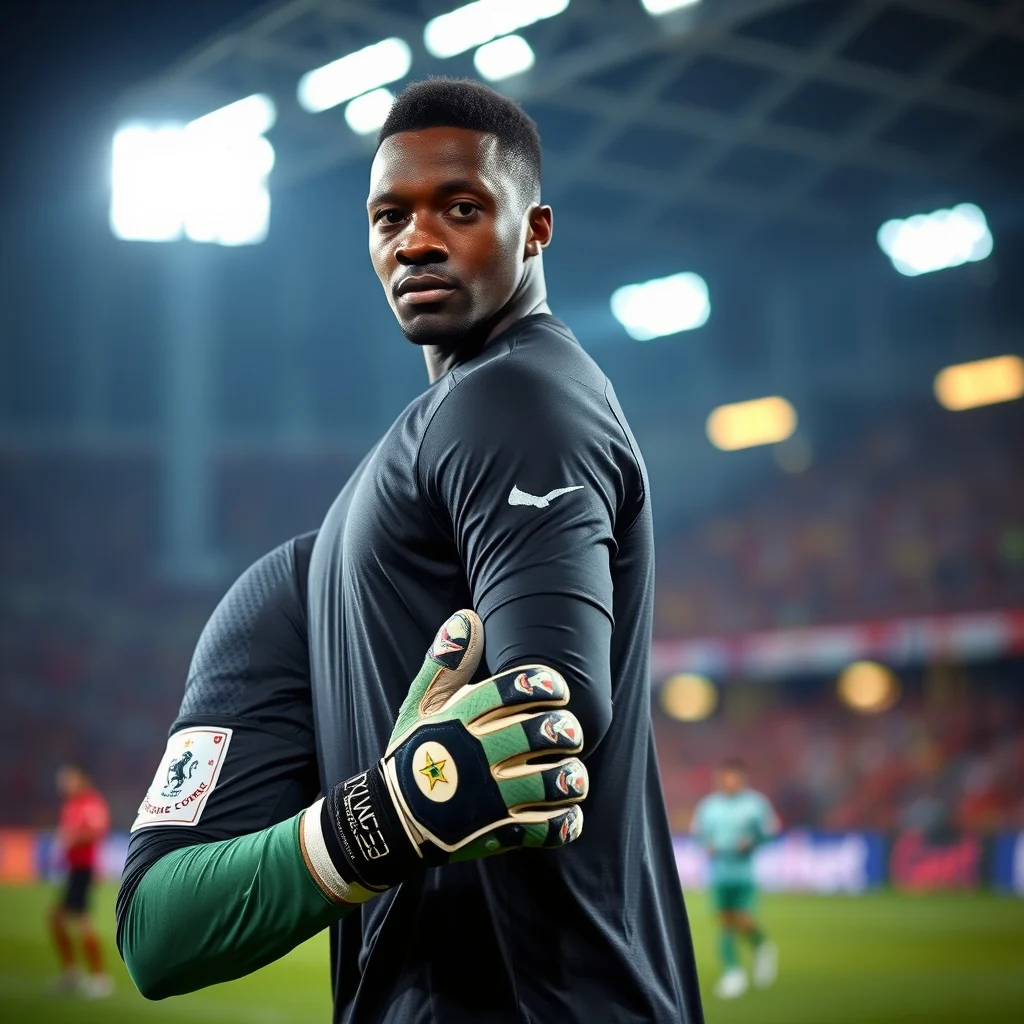
The tournament is scheduled to take place across the United States, Canada, and Mexico, presenting a unique opportunity for a large contingent of Ghanaian fans to support their national team.
Future Implications and Watch Points
The government’s clear stance on not participating in ticket sales shifts the responsibility and commercial aspects to the private sector. This model, if successful, could set a precedent for future national team participation in major sporting events, encouraging more private partnerships. Fans should remain vigilant and rely on official announcements regarding travel packages and ticket acquisition, primarily through the government-endorsed private operators. The effectiveness of the electronic ticketing system in preventing fraud will be a key factor to monitor as the tournament approaches. Observers will also be watching to see the extent of private sector involvement and its impact on fan accessibility and affordability.


Leave a Reply