

Ghanaian President John Mahama announced this week that the new UK-Ghana Growth Partnership is poised to unlock substantial private sector investment, foster climate-smart development, and create jobs across critical sectors of the Ghanaian economy. The agreement, finalized recently, focuses on enhancing trade, stimulating industrial expansion, and improving educational outcomes to drive long-term national progress.
Key Pillars of the Partnership
The UK-Ghana Growth Partnership is built upon four primary objectives. Firstly, it seeks to attract significant private capital into Ghana’s burgeoning economy. Secondly, it aims to streamline trade processes, making it easier for Ghanaian businesses to operate and expand. Thirdly, the partnership will drive industrial growth, a crucial element for economic diversification and value addition.
The fourth, but equally important, pillar focuses on delivering world-class education. This commitment to education is seen as fundamental to building a skilled workforce capable of supporting sustainable and inclusive economic development in the long run.
Environmental Focus and Reforestation Efforts
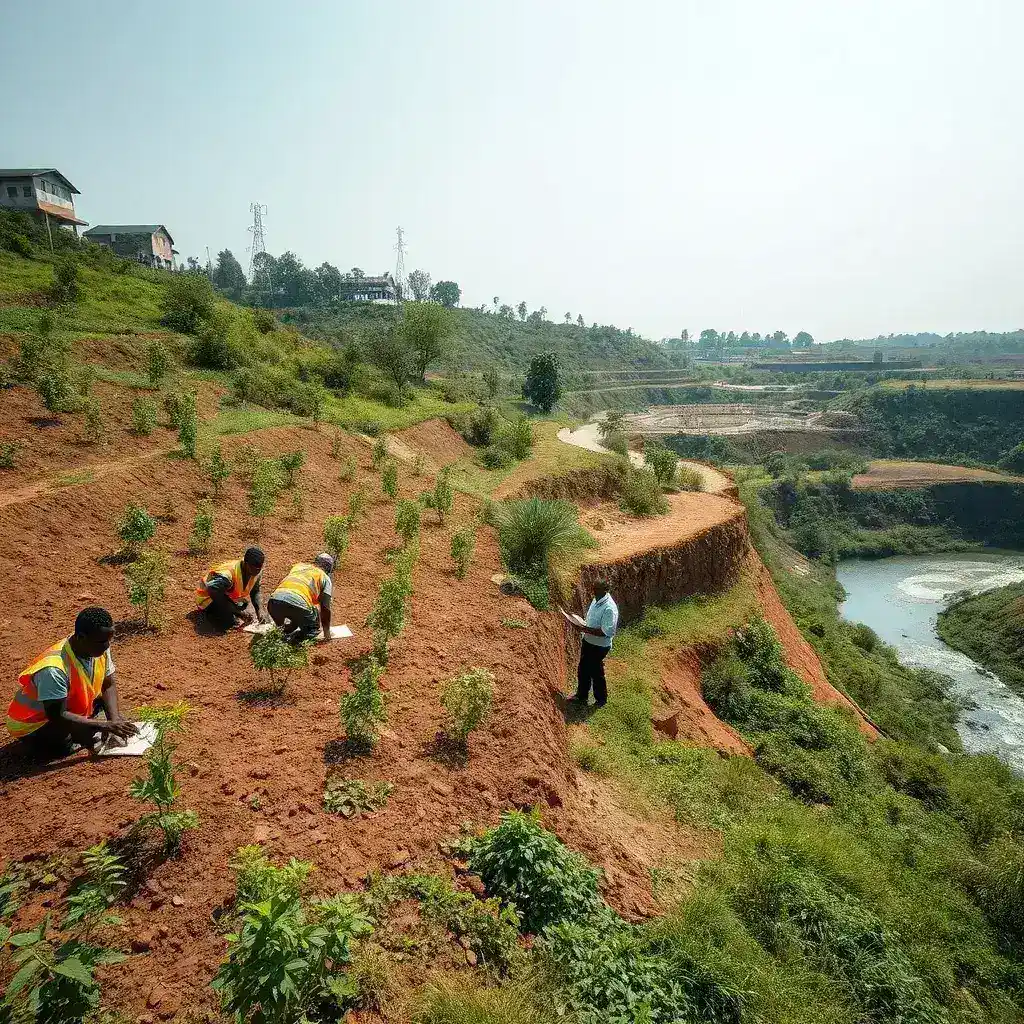
A significant component of the deal is an £85 million fund dedicated to reforestation initiatives. This substantial investment will support the restoration of degraded forest reserves, particularly in the Oti Region. The reforestation efforts are expected to yield dual benefits: creating employment opportunities for local communities and strengthening environmental protection measures.
This environmental focus underscores Ghana’s commitment to a development model that prioritizes sustainability. The partnership signals a clear intention to pursue economic growth that is compatible with ecological preservation and climate resilience.
Driving Inclusive Economic Growth
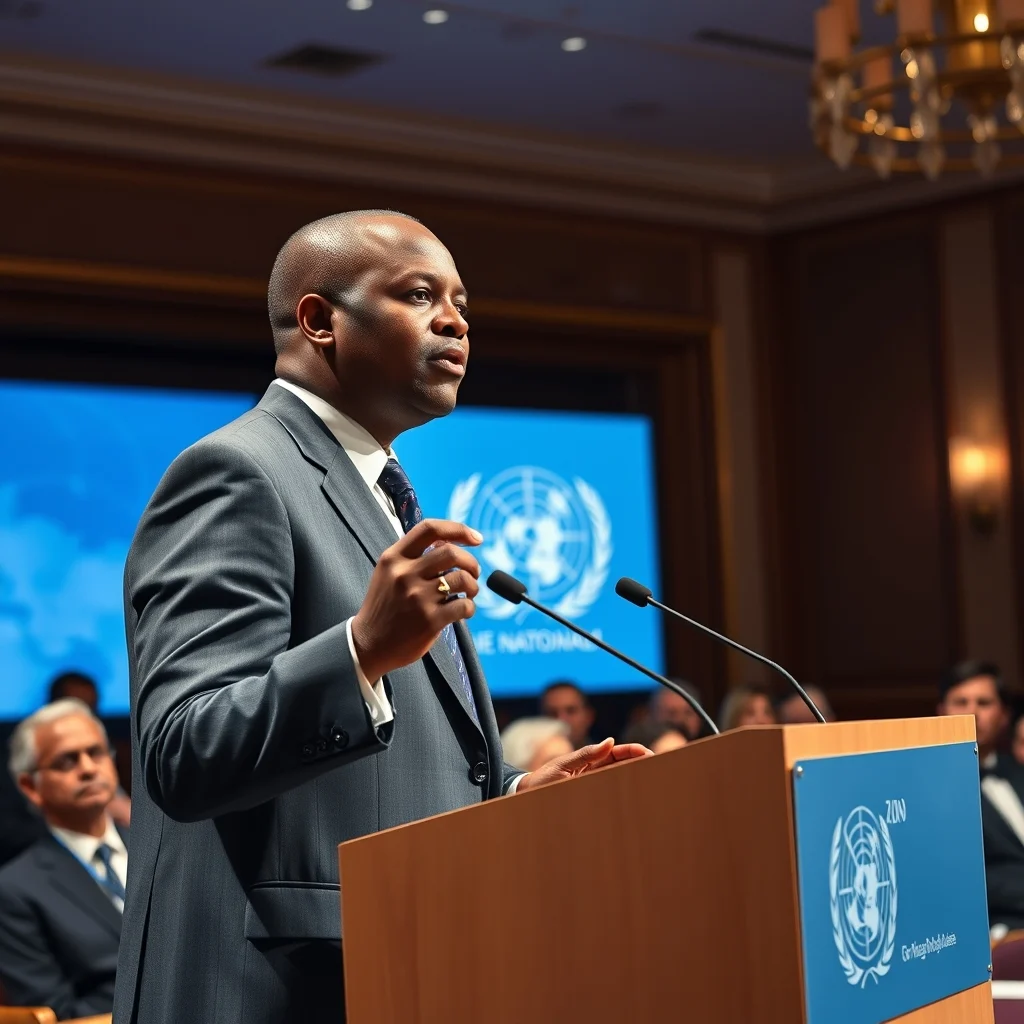
President Mahama emphasized that the partnership reflects Ghana’s determination to follow a development trajectory anchored in sustainability and broad-based economic progress. The inclusion of private sector participation is central to this strategy, recognizing its vital role in generating wealth and employment.
By facilitating easier trade and accelerating industrial growth, the partnership aims to create a more dynamic and competitive business environment. This, in turn, is expected to attract further foreign direct investment and encourage domestic entrepreneurship.
Educational Advancement for Long-Term Development
The commitment to improving education outcomes is a long-term strategic investment. A well-educated populace is essential for innovation, productivity, and adapting to the evolving global economic landscape. By enhancing educational quality and accessibility, Ghana aims to equip its citizens with the skills needed for the jobs of the future.
Anticipated Economic and Environmental Impacts
The UK-Ghana Growth Partnership is anticipated to have a transformative impact on the Ghanaian economy. By unlocking private investment, the deal is expected to boost GDP growth, create thousands of jobs, and enhance Ghana’s export capacity. The focus on industrialization aims to move Ghana further up the value chain, reducing reliance on raw material exports.
Environmentally, the reforestation fund represents a significant step towards combating deforestation and land degradation. The restoration of forest reserves will not only help mitigate climate change impacts but also protect biodiversity and natural resources essential for local livelihoods and national economic well-being.
Future Outlook and Watch Points
Moving forward, key indicators to watch will include the actual disbursement of private capital into targeted sectors, the tangible impact of trade facilitation measures on Ghanaian businesses, and the successful implementation of reforestation projects in the Oti Region and beyond. The effectiveness of educational reforms stemming from this partnership will also be crucial for long-term sustainable development. Observers will be keen to see how this collaborative framework translates into concrete economic gains and improved environmental conditions for Ghana.


Leave a Reply