
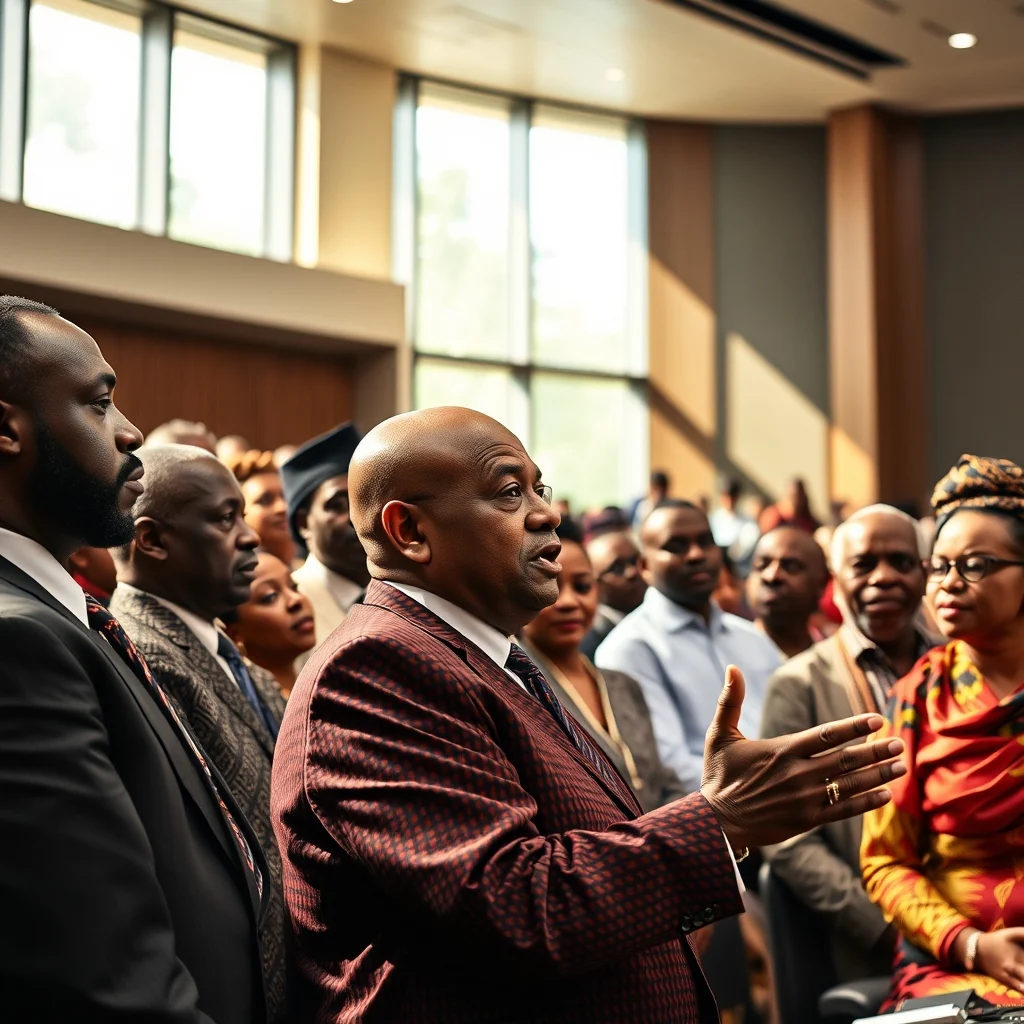
Accra, Ghana – Speaker of Ghana’s Parliament, Alban Bagbin, issued a stark warning on Monday, June 1, highlighting a growing dual threat to Africa’s cultural identity: the pervasive influence of globalisation and a concerning rise in xenophobia among African nations. His remarks came ahead of the 4th African Inter-Parliamentary Conference on Family and Sovereignty, scheduled to convene in Parliament from June 3 to June 6.
Context: A Continent at a Crossroads
The upcoming conference aims to gather lawmakers and stakeholders from across Africa to deliberate on critical issues concerning family values, cultural preservation, and the continent’s development path. This gathering is particularly significant as African societies navigate complex social, cultural, and ideological challenges that impact their foundational family systems, national sovereignty, and deeply held traditional values.
Speaker Bagbin underscored the critical timing of the conference, noting that it occurs at a pivotal moment when African nations are grappling with the multifaceted consequences of globalisation. Simultaneously, the continent is witnessing an alarming increase in divisions and hostility among Africans themselves, a phenomenon often referred to as xenophobia.
The Dual Assault on African Values
“This year’s conference is the fourth session and is being organised at a time when the African continent is confronted with evolving social, cultural and ideological challenges which continue to impact our family systems, sovereignty and treasured values,” Bagbin stated. He elaborated on the dual nature of the threats facing African societies.
“We are meeting at a moment when African values face a dual assault. One, the cultural erosion of globalisation on one side and two, the painful rise of xenophobia within our own continent on the other,” he added, emphasizing the urgency of the situation.
The Speaker’s concern extends to the potential weakening of Africa’s collective identity and future. He urged African countries to prioritize strengthening unity and actively safeguarding their rich cultural heritage. The erosion of indigenous languages, the fading of traditional practices, and the dilution of shared values are seen as significant threats that could undermine the continent’s distinctiveness.
Call for Unity and Cultural Preservation
Bagbin issued a passionate plea for solidarity, stating, “When African brothers stand against African brothers, when our children no longer speak their mother tongues, when external ideologies are packaged as universal truths, then Africa must speak with one voice.” This statement highlights the interconnectedness of cultural preservation and continental unity.
He stressed that the resilience of the continent in the face of evolving global influences hinges on its ability to preserve its unique cultural identity and foster strong solidarity among its people. This collective strength, he implied, is essential for navigating external pressures and internal divisions.
Implications and Future Outlook
The concerns raised by Speaker Bagbin signal a critical juncture for Africa. The erosion of cultural identity through globalisation risks a homogenization that could diminish the continent’s diverse heritage. Simultaneously, rising xenophobia within Africa poses a direct threat to social cohesion and intra-continental cooperation, hindering collective progress and mutual support.
The upcoming Inter-Parliamentary Conference is expected to be a crucial forum for developing strategies to counter these trends. Observers will be watching closely to see what concrete actions and policy recommendations emerge to bolster cultural preservation efforts and foster greater understanding and unity across African nations. The ability of African leaders to address these intertwined challenges will significantly shape the continent’s future identity and its standing on the global stage.










Leave a Reply