
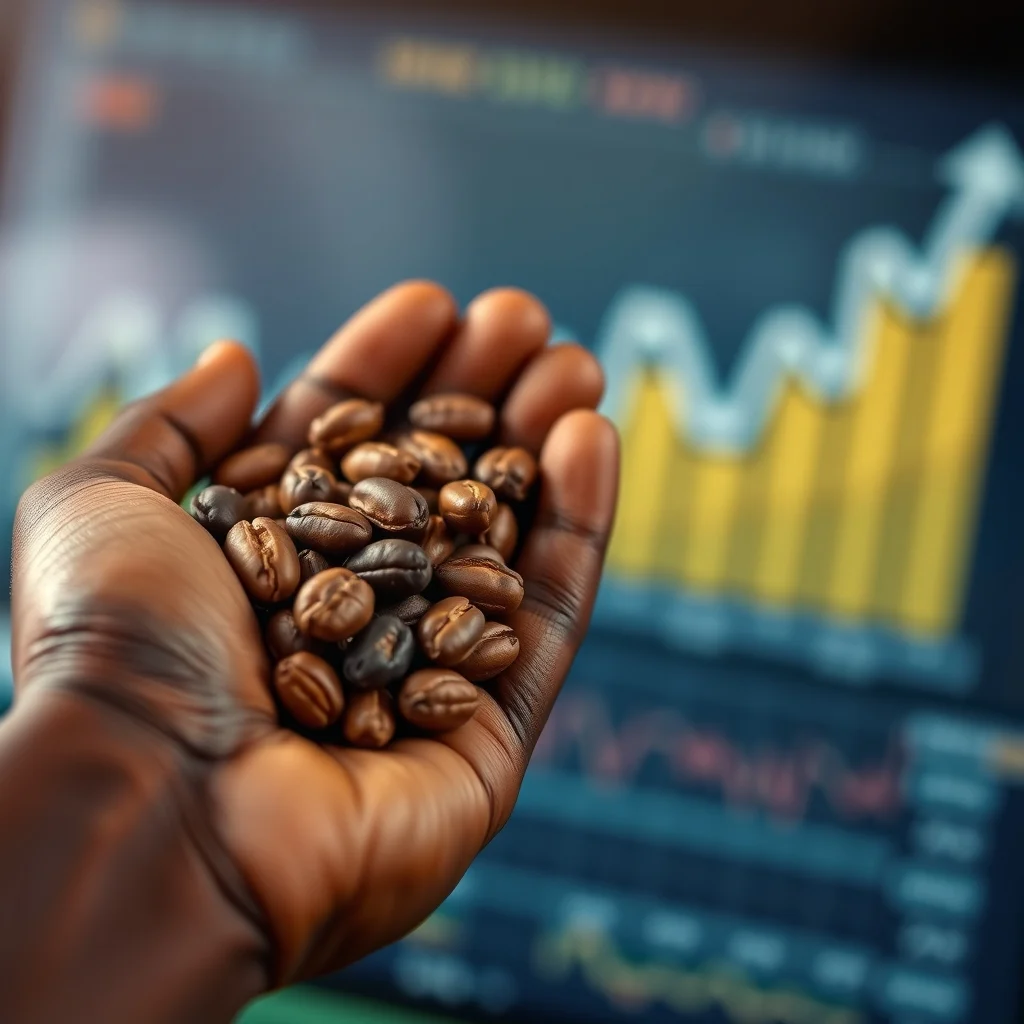
Ghana Cocoa Board (COCOBOD) is nearing the launch of a new domestic financing framework designed to raise working capital through a commercial paper programme funded by local investors like pension funds and commercial banks. Deputy CEO for Finance, Ato Boateng, announced the advanced stage of implementation at the Ghana-UK Investment Summit in London, highlighting a strategic shift away from traditional syndicated borrowing.
Shifting Financial Landscape for Cocoa Sector
The initiative represents a significant reform in COCOBOD’s funding structure, aiming to foster greater financial independence and sustainability. By tapping into Ghana’s domestic capital markets, COCOBOD seeks to secure funds for cocoa purchases during the crop season, thereby reducing reliance on external financial arrangements.
COCOBOD has identified three primary sources for this new financing regime. Pension funds, managing an estimated GH¢100 billion in assets, are seen as a key investor base. Existing regulations permit pension funds to allocate a substantial portion of their portfolios to eligible investment instruments, presenting a significant opportunity for COCOBOD to access up to 35% of these funds.
Commercial banks form the second pillar of the proposed structure. COCOBOD is exploring innovative strategies to encourage greater participation from the banking sector, acknowledging potential regulatory concerns. The inclusion of Development Finance Institutions (DFIs) is also planned to bolster banks’ lending capacities and enhance the overall attractiveness of the programme.
The third source of funding will involve key stakeholders within the cocoa value chain. COCOBOD is considering private placements targeted at major industry players, including international buyers and other participants, to foster a shared stake in the cocoa sector’s financial stability.
Programme Structure and Objectives
The proposed commercial paper instrument will have a maturity of 270 days, aligning with the nine-month cocoa purchasing cycle. This structure is intended to function as a working capital facility, allowing COCOBOD to draw funds as needed during peak purchasing periods and repay investors as revenue is generated from cocoa sales.
To optimize efficiency and minimize borrowing costs, the programme will adopt a tranche-based drawdown system. This ensures that funds are accessed only when required for specific purchases, and promptly repaid once their purpose is fulfilled.
Mr. Boateng confirmed that COCOBOD has engaged all necessary transaction advisors and is close to finalising the programme’s structure. He emphasized that the initiative is being developed in close consultation with advisors and regulatory authorities to guarantee a successful launch and ensure full compliance with all regulatory requirements.
Broader Reforms and Sectoral Context
This move towards local financing aligns with broader government efforts to reform COCOBOD and establish a more sustainable financial model. Finance Minister Dr. Cassiel Ato Forson previously indicated legislative preparations for these reforms at the Ghana-UK Investment Summit. The Governor of the Bank of Ghana, Dr. Johnson Asiama, has also expressed support for a model that leverages domestic capital, such as pension funds, to reduce COCOBOD’s reliance on conventional bank borrowing.
The timing of these financing reforms is particularly significant amidst ongoing discussions about the Ghanaian cocoa sector. Farmer concerns regarding producer prices and broader debates on the industry’s long-term sustainability underscore the need for robust and stable financial mechanisms.
Future Outlook
The successful implementation of this locally financed commercial paper programme could set a precedent for other public institutions in Ghana seeking to diversify their funding sources and strengthen domestic capital markets. Investors and industry stakeholders will be closely watching the programme’s rollout and its impact on COCOBOD’s operational efficiency and the overall stability of Ghana’s vital cocoa sector. The focus will be on how effectively these domestic sources can meet the substantial working capital needs of COCOBOD, particularly as global economic conditions evolve.









Leave a Reply