
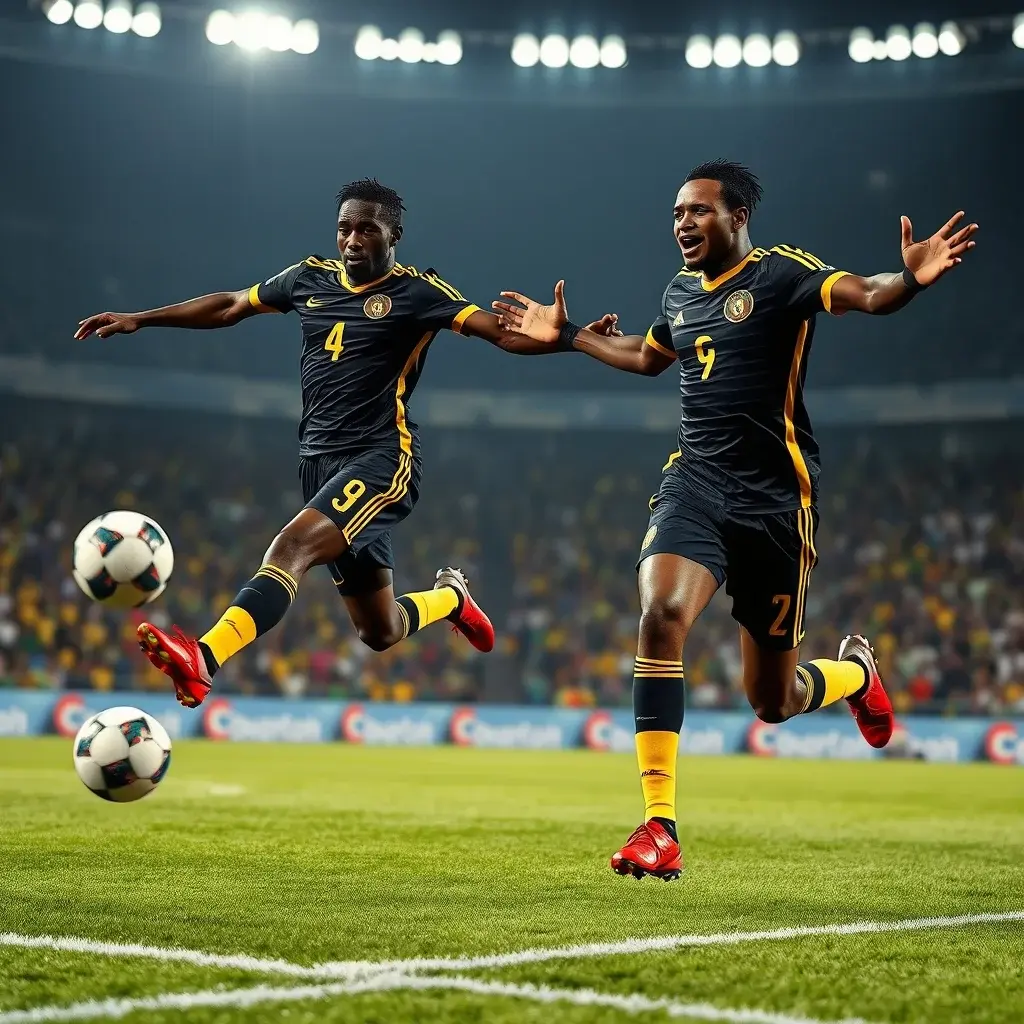
Ghana’s Black Stars secured a crucial 1-1 draw against Wales at the Cardiff City Stadium on Tuesday, ending a five-game losing streak. The performance, particularly in the second half, offered promising signs under new coach Carlos Queiroz, showcasing tactical clarity and dynamism not seen since the World Cup Qualifiers, despite a less cohesive first half.
The draw provided valuable lessons for both the technical team and the players, highlighting individual performances that could shape the team’s future. While not a victory, the manner of Ghana’s resurgence against a strong Welsh side suggests a potential turning point for the team.
Emerging Talents Shine
Marvin Senaya emerged as a significant positive, potentially answering Ghana’s long-standing need for a competent right-back. He displayed defensive diligence, tracking his marker effectively and winning duels, while also coordinating well with the backline.
His offensive contributions included decoy runs that created space for teammates like Abdul Fatawu Issahaku. Although his crossing ability remains untested, Senaya’s overall performance suggests he could be a vital asset.
Jonas Adjetey also found redemption, delivering a strong performance after recent struggles with conceding penalties. He showcased well-timed tackles and aerial dominance, forming an encouraging partnership with Jerome Opoku.
Adjetey’s display presents coach Queiroz with a selection dilemma for the right centre-back position, especially with Alex Djiku’s absence.
Midfield Dynamism and Winger’s Brilliance
Caleb Yirenkyi proved his potential, not just with a goal-reel-worthy strike but with the relentless energy and lung-bursting run that initiated the play. His presence added dynamism to Ghana’s midfield, offering more passing options and enabling composed build-up play.
Yirenkyi’s simple yet effective passing and willingness to tackle reinforced the idea that he could be the future of Ghana’s midfield. His contribution allowed the team to move away from relying solely on long balls.
Ernest Nuamah displayed explosive talent with his close control and pace, justifying Queiroz’s gamble on him despite recent injury concerns. His performance offered a stark contrast to the first half’s output from the same position.
Nuamah’s electrifying display, including a well-timed shot that led to the opening goal, showcased the skills that make him a captivating player to watch.
Areas of Concern
Thomas Partey’s lack of recent match minutes was evident. He struggled to match the game’s intensity, committing fouls and showing a lack of his usual inventive passing.
While his return to form is anticipated, the limited time before the World Cup opener against Panama raises concerns about his match fitness.
Baba Rahman’s introduction did little to prevent the goal Ghana conceded. His half-hearted attempt to challenge Neco Williams allowed the cross that led to Wales’ equalizer.
This mistake, particularly given Rahman’s history and the circumstances, is likely to face intense scrutiny, which is detrimental to his confidence.
Inconsistent Wing Play
Abdul Fatawu Issahaku’s performance was inconsistent, drawing comparisons to a less effective version of himself. He failed to capitalize on overlapping runs from Senaya and was reluctant to combine with teammates.
Issahaku lost possession rapidly when his team needed an outlet, raising questions about his effectiveness and contribution compared to his productive club form.
The draw against Wales offers a mixed bag of results for Ghana. While new talents have emerged and shown significant promise, established players like Partey and Rahman face pressure to regain form. The team’s ability to build on the second-half performance and address these inconsistencies will be critical as they approach future competitions.










Leave a Reply