
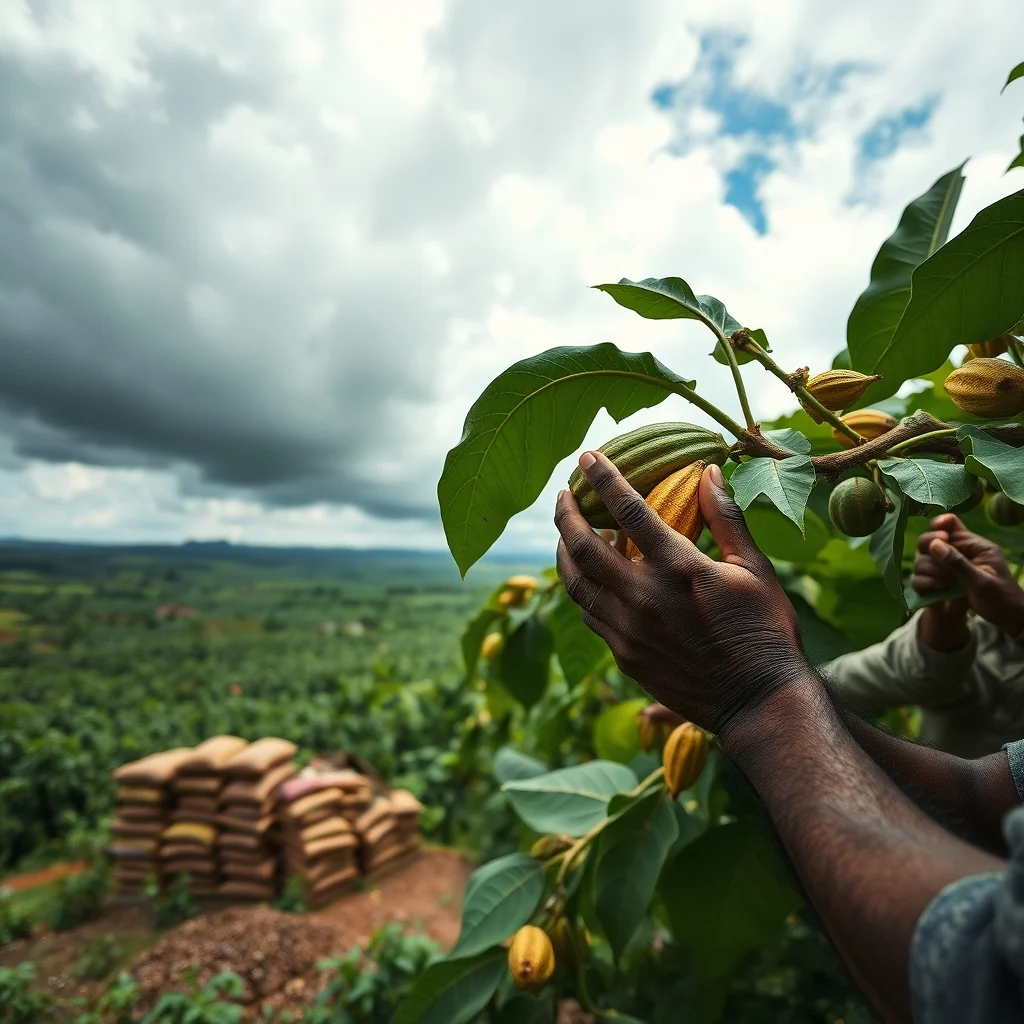
The Ivory Coast, the world’s largest cocoa producer, has significantly slowed its sales of the 2026-27 main crop, contracting approximately 1 million metric tons in export contracts while becoming more cautious due to looming El Niño weather patterns. This strategic shift, coupled with an increased premium on further sales, signals firming demand and an anticipated tighter global market for the key chocolate ingredient as the new season approaches on September 1.
Export Slowdown and Premium Hikes
Sources within the Abidjan-based Coffee and Cocoa Council (CCC) revealed that between 950,000 and 1 million tons of the next season’s crop have already been contracted. However, the CCC has deliberately reduced the pace of new sales.
In parallel, the CCC has raised its premium for subsequent sales. This premium now stands at a minimum of £100 ($135) per ton above the futures price, a notable increase from a previous zero premium. This move indicates a strengthening market position for the Ivory Coast, allowing them to command higher prices.
Industry insiders, including a senior cocoa trading executive at a global agri-commodities firm and the head of a smaller trading business, have corroborated the higher premium. Rumors suggest that forward sales may already range between 1.1 and 1.2 million tons.
The market conditions are reportedly enabling the CCC to adopt a more assertive sales strategy. “The market is allowing them to be a bit more aggressive. They don’t need to lower the (premium) to get contracts in the book,” stated the head of the smaller trading entity.
El Niño Threatens Future Output
The primary driver behind the CCC’s cautious approach is the potential impact of the El Niño weather phenomenon. El Niño is known to bring dry conditions to West Africa, a region that includes major cocoa producers like Ivory Coast, Ghana, Cameroon, and Nigeria.
Concerns are already being voiced about the current crop development. “In truth, we are observing a certain fragility in the development of the mid-crop and therefore in the next main crop,” a CCC source explained. Unseasonably hot weather from January to May, followed by insufficient rainfall, has raised alarms.
“If El Niño intervenes as predicted in June and July, it will be difficult,” the source added, highlighting the vulnerability of the upcoming harvest. The CCC’s decision to slow sales reflects a proactive measure against potential supply disruptions.
Differing Exporter Views on Risks
Not all market participants share the CCC’s level of concern regarding El Niño’s direct impact on production. Exporters interviewed by Reuters expressed divided opinions.
Four exporters believe El Niño will have minimal effect on cocoa output. They point to other significant challenges facing the sector, such as aging plantations, disease prevalence, and, crucially, a lack of essential fertilizers and crop treatments.
“I don’t see El Niño as a threat to production. The real concern is the lack of fertilisers and treatments,” stated the head of an Abidjan-based export company. This perspective suggests that other agronomic factors pose a more immediate and substantial risk to yields.
The issue of fertilizer availability and cost is exacerbated by global geopolitical events. Surging fertilizer prices, partly attributed to disruptions in shipping routes through the Strait of Hormuz following events in Iran, impact the affordability and accessibility of these vital agricultural inputs for Ivorian farmers.
Market Implications and Future Watch
The CCC’s cautious export strategy and increased pricing premium suggest a market anticipating tighter supplies. This could lead to higher cocoa prices for consumers as the chocolate industry navigates potential output challenges.
For farmers in Ivory Coast, the focus on fertilizer shortages and plantation health underscores the need for continued investment and support. The long-term viability of cocoa production hinges on addressing these fundamental agronomic issues, which may prove more impactful than short-term weather fluctuations.
Market participants will be closely watching the progression of El Niño and its actual impact on rainfall and temperatures in West Africa. Additionally, the effectiveness of the CCC’s sales strategy and the ability of farmers to secure necessary agricultural inputs will be critical factors to monitor in the coming months. The interplay between weather patterns, agronomic practices, and market demand will shape the cocoa landscape for the upcoming season and beyond.










Leave a Reply