
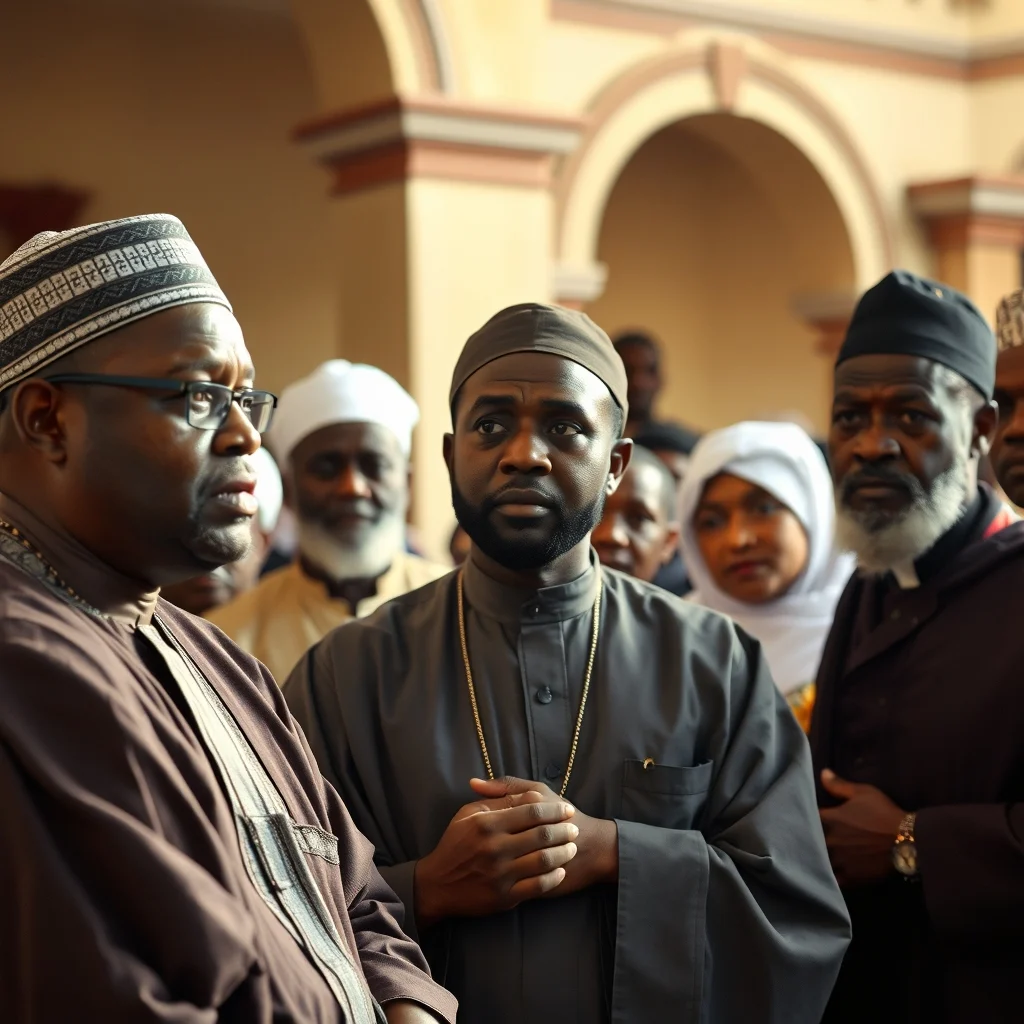
Sheikh Aremeyaw Shaibu, spokesperson for the National Chief Imam, has voiced disappointment regarding the resurgence of debate surrounding Ghana’s anti-LGBTQ+ bill, asserting that a broad national consensus on the matter has already been established. His remarks follow recent comments by former President John Mahama and Speaker of Parliament Alban Bagbin, which have reignited discussions about the bill’s legislative path.
Background to the Controversy
The anti-LGBTQ+ bill, which seeks to criminalize the promotion and advocacy of LGBTQ+ rights in Ghana, has been a subject of intense deliberation. The bill was passed by Parliament in the previous administration but did not receive presidential assent before the end of that term. Its re-emergence in public discourse has been spurred by statements from key political figures, indicating a potential for its revival and further legislative processing.
Renewed Political Engagement
Recent discussions were amplified after former President John Mahama, during an interview at Chatham House in London, suggested the bill would undergo the necessary constitutional processes if presented to him. Concurrently, Speaker of Parliament Alban Bagbin proposed that both sides of the current Parliament review the bill before its potential transmission for presidential assent. These interventions have led to renewed attention and debate on the bill’s status and future.
Sheikh Shaibu’s Disappointment
Speaking on JoyNews’ PM Express, Sheikh Shaibu expressed his dismay at the renewed controversy. He emphasized that Ghana’s position on the anti-LGBTQ+ bill was settled through extensive political, religious, and parliamentary engagement. “I think that, as a nation, there is no question regarding our unanimity regarding the anti-LGBTQ+ bill,” he stated.
He further elaborated that stakeholders, including religious bodies and parliamentarians from both past and present administrations, had thoroughly debated the issue. “So for me, it’s a bit disappointing that we have to now subject this matter to another debate after there has been some thorough debate on it and a certain national position has been taken on it,” Sheikh Shaibu added.
Procedural Hurdles and Expectations
Sheikh Shaibu highlighted that the previous Parliament had completed its legislative work on the bill, with only presidential assent pending. He noted that procedural issues prevented the bill from reaching the former president’s desk. He had anticipated a smoother process under the current administration, leading to swift presidential assent as previously indicated by the current president.
Concerns Over Politicization
The Islamic scholar expressed concern over the growing political disagreements surrounding the legislation, warning against its transformation into a partisan contest. “So, for us to come here, where we do not know where we are facing the minority taking a position, the majority taking the position. For me, it’s disappointing to say the least, and I hope that we will not politicise this matter,” he urged.
He stressed his view that the matter transcends partisan politics, stating, “This matter that we are dealing with is a non-political matter from my angle, and I have been consistent in my debate about this subject matter.”
Cultural and Religious Foundations
Sheikh Shaibu underscored that opposition to LGBTQ+ practices is deeply rooted in Ghana’s religious, cultural, and family values, which are widely shared across society. He described LGBTQ+ practices as an attack on the fundamental institution of the family. “And I think so. To turn it into a kind of political debate now between the majority and this thing, for me to say the least, is very disappointing,” he concluded.
Implications and Future Outlook
The renewed debate and Sheikh Shaibu’s commentary highlight the ongoing tension between established national consensus, political maneuvering, and the potential for the anti-LGBTQ+ bill to become a contentious political issue. The coming weeks will likely reveal whether the parliamentary review suggested by the Speaker will proceed and how the executive branch will ultimately navigate this sensitive legislation. Public discourse is expected to remain active as stakeholders monitor these developments closely.










Leave a Reply