
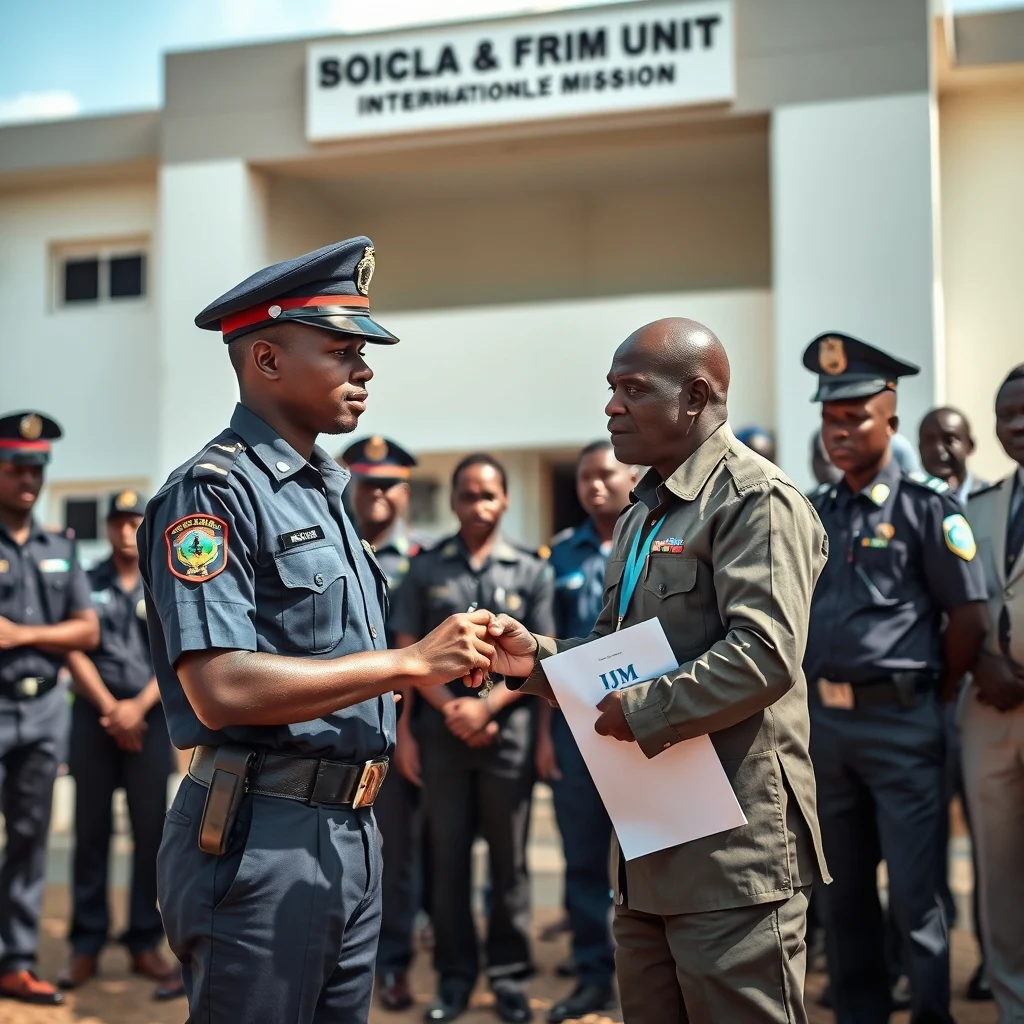
The International Justice Mission (IJM) Ghana, in collaboration with the Embassy of the Kingdom of the Netherlands, has initiated a comprehensive capacity-building workshop for police officers in the Ahafo region aimed at intensifying the fight against human trafficking and forced child labor. The program, which began on Monday, June 1, 2026, targets the country’s vital cocoa-producing areas. Selected police officers with expertise in investigations, prosecutions, mediation, and advocacy are participating in the intensive training.
Context and Background
Human trafficking and forced labor, particularly within the cocoa sector, represent a significant challenge in Ghana. Vulnerable populations, including children, are often exploited for strenuous and hazardous work. Despite existing laws designed to protect individuals, enforcement remains a critical issue, especially in rural communities. The Netherlands, as a major importer of Ghanaian cocoa, has a vested interest in ensuring ethical and safe labor practices throughout the supply chain.
Intensive Training and New Facilities
The workshop covers a wide range of essential topics. Participants are being educated on the fundamental elements of human trafficking, effective pre-rescue intelligence gathering, and trauma-informed interviewing techniques. Crucial aspects of evidence collection, including admissibility, witness statements, and confession disclosures, are also being addressed. The training emphasizes crime scene report writing and adopting a multidisciplinary approach to case management to ensure comprehensive and effective prosecution.
A significant development accompanying the workshop is the handover of a newly constructed, fully furnished Child-Friendly Anti-Trafficking Unit to the Regional Police Service. This facility was made possible through funding from the Dutch government.
To enhance the unit’s operational capabilities, a motorcycle was also presented, boosting the officers’ mobility and rapid-response capacity in the field. This new center in Goaso is expected to significantly improve victim identification, facilitate access to protected shelters, and strengthen global law enforcement partnerships.
Expert Perspectives and Data
Gabriel Acolatsey, Project Manager for IJM Ghana, highlighted the necessity of a robust public justice system to combat trafficking. He stated that IJM’s strategy focuses on empowering public justice actors to investigate and prosecute trafficking networks effectively, while prioritizing survivor-centered, trauma-informed care to prevent re-traumatization during the legal process.
Peter Dadzie, Policy Officer for Cocoa and Business Development at the Embassy of the Kingdom of the Netherlands in Ghana, affirmed the Netherlands’ commitment. “The Netherlands plays a pivotal role in funding local security operations, supporting multi-stakeholder supply chain initiatives, and driving economic resilience in cocoa-growing communities to address the root causes of forced labor,” Dadzie explained.
The Ahafo Regional Police Commander, Deputy Commissioner of Police (DCOP) James Annor, expressed gratitude for the training, emphasizing its timeliness. “Eradicating child trafficking demands extreme vigilance, high levels of professionalism, and specialized skills from the police and all key stakeholders,” DCOP Annor remarked. He added that the training aligns with a critical need to renew the focus on protecting the safety, rights, and dignity of vulnerable individuals.
Empirical data underscore the urgency of these efforts. Approximately 20 out of every 1,000 children in Ghana’s cocoa production work under conditions of forced labor by individuals other than their parents. When third-party traffickers are the sole drivers, studies indicate about 1.5 out of every 1,000 working children are victims. Adult exploitation is also prevalent, with an estimated 3.3 victims of forced labor per 1,000 adult workers in core cocoa-producing regions.
Implications and Future Outlook
The collaboration between IJM and the Netherlands government has a decade-long track record of success. These joint efforts have led to the rescue of nearly 600 victims, the arrest of over 235 suspects, and numerous successful convictions. The establishment of the new unit and the ongoing training represent a significant step forward in strengthening Ghana’s capacity to combat human trafficking.
This initiative is expected to lead to more effective identification, rescue, and prosecution of traffickers, while ensuring survivors receive comprehensive care. The investment in specialized training and infrastructure signals a strengthened commitment to protecting vulnerable populations and promoting ethical labor practices within Ghana’s crucial cocoa sector. The focus on a multidisciplinary approach and survivor-centered care aims to create a more resilient justice system capable of tackling complex transnational crime rings and addressing the root causes of exploitation.
Moving forward, attention will be on the sustained impact of these enhanced capabilities. Observers will watch for increased successful prosecutions, a reduction in reported trafficking cases, and improved conditions for workers, especially children, in the Ahafo region and beyond. The long-term success will hinge on continued collaboration, robust enforcement of existing laws, and ongoing efforts to address the socio-economic factors that contribute to forced labor.





Leave a Reply