
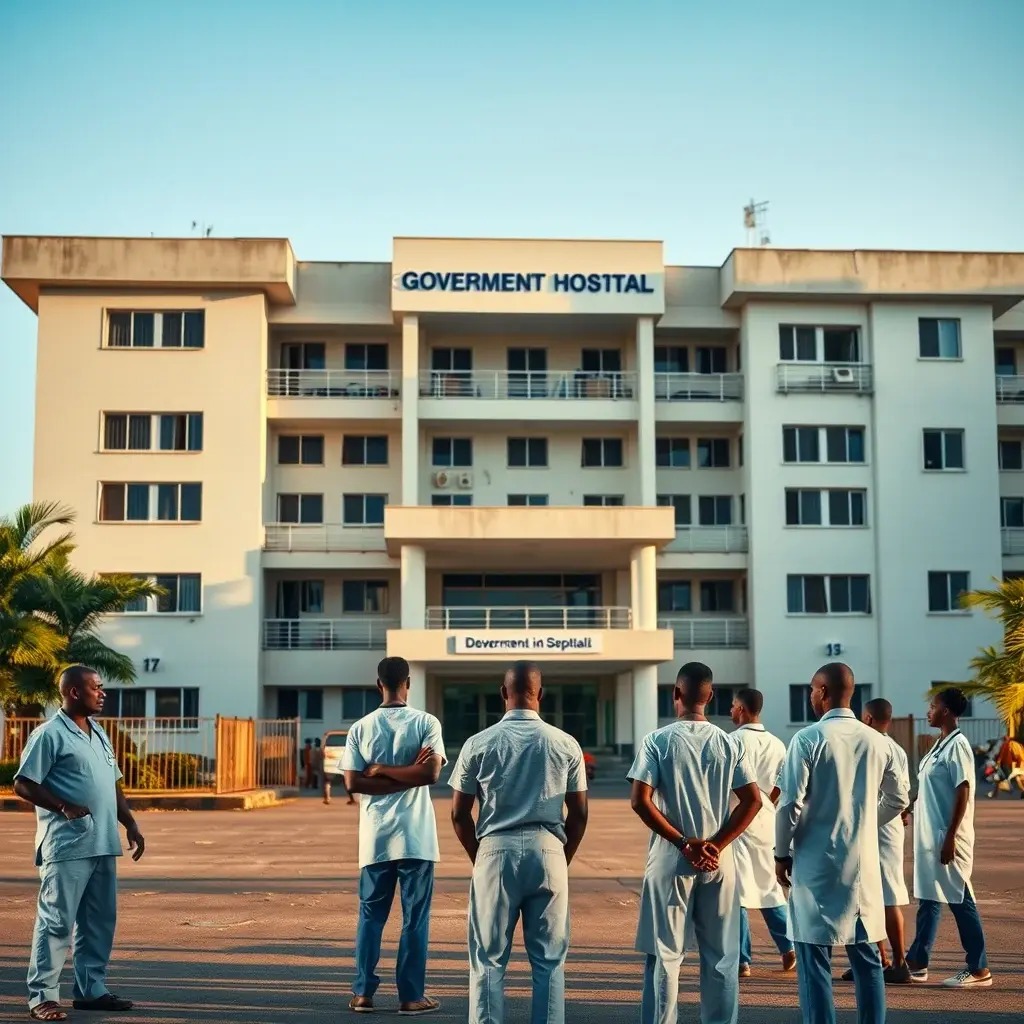
The Komfo Anokye Doctors’ Association (KADA) is urging the Ghanaian government to immediately activate the Sewua Government Hospital and the Afari Military Hospital to address severe overcrowding and bed shortages at the Komfo Anokye Teaching Hospital (KATH) in Kumasi. KADA Chairman Dr. Michael Leat stated on Thursday, June 4, 2026, that these two completed facilities, with a combined capacity of approximately 600 beds, could significantly relieve the pressure on KATH if equipped and made functional.
Context of Healthcare Strain
KATH, the primary tertiary referral hospital for the Ashanti Region and beyond, faces persistent congestion, particularly in its Accident and Emergency Centre. This situation is exacerbated by limited infrastructure, insufficient resources, and a high volume of patient referrals from across the country.
The growing overcrowding at KATH highlights systemic challenges within Ghana’s healthcare sector. The hospital’s role as a central referral point means it bears a disproportionate burden, straining its infrastructure and healthcare personnel.
Urgent Need for Operationalization
Dr. Leat emphasized that the Afari Military Hospital has a capacity of 100 beds, while the Sewua Hospital can accommodate up to 500 patients. Making these facilities operational would directly reduce the influx of patients to KATH.
“We have hospitals that have been built; all we need is to operationalise them and retool the various hospitals around KATH,” Dr. Leat stated in an interview with Citi FM. He called for a collaborative approach involving the Ministry of Health, KATH, and other health facilities.
The delay in activating these hospitals is worsening the pressure on KATH and consequently impacting the quality of care provided. This situation places healthcare professionals in a difficult position, attempting to manage overwhelmed services.
Expert Perspectives and Data
Dr. Leat highlighted the substantial bed capacity of the two facilities: 100 beds at Afari Military Hospital and 500 beds at Sewua Hospital. “If we can be able to operationalise these hospitals, I don’t think we will be in this situation,” he asserted.
He stressed that focusing on activating existing, underutilised infrastructure is a more effective short-term solution than assigning blame for the current crisis. This strategic move would improve patient outcomes by providing more accessible care and create a more manageable work environment for KATH staff.
Implications for Patients and Healthcare Professionals
The activation of Sewua and Afari hospitals promises to decongest KATH, leading to reduced waiting times and improved patient care. It would also alleviate the immense strain on KATH’s medical staff, potentially reducing burnout and enhancing their ability to provide high-quality services.
This situation underscores the critical need for strategic investment in healthcare infrastructure and a proactive approach to resource management within Ghana’s health sector. The government’s prompt action could significantly improve the delivery of healthcare services across the Ashanti Region.
Looking ahead, the focus will be on the government’s response to KADA’s call and the timeline for making the Sewua and Afari hospitals fully operational. The successful integration of these facilities into the regional healthcare network will be a key indicator of progress in addressing systemic healthcare challenges.





Leave a Reply