

Accra, Ghana – Parliament passed the Human Sexual Rights and Family Values Bill, 2025, on May 29, shifting national attention to President John Dramani Mahama’s impending decision on whether to assent to the controversial legislation. The bill’s passage ignites a critical debate over the President’s constitutional options and the political ramifications of his choice.
A Shifting Stance on a Contentious Bill
President Mahama faces a complex decision regarding the Human Sexual Rights and Family Values Bill, 2025. While he publicly stated during the 2024 presidential campaign that he would sign the bill if it reached his desk, his post-election stance has become more nuanced.
Mahama has since suggested that moral and civic education might be more effective than criminal sanctions. He also indicated that such legislation would ideally be a government-sponsored bill, not a Private Member’s Bill, and is not an immediate administration priority.
Further complicating the matter, Mahama recently highlighted concerns about alleged procedural irregularities in the bill’s passage during a speech at Chatham House in London, hinting at potential review mechanisms.
Constitutional Pathways and Legal Precedents
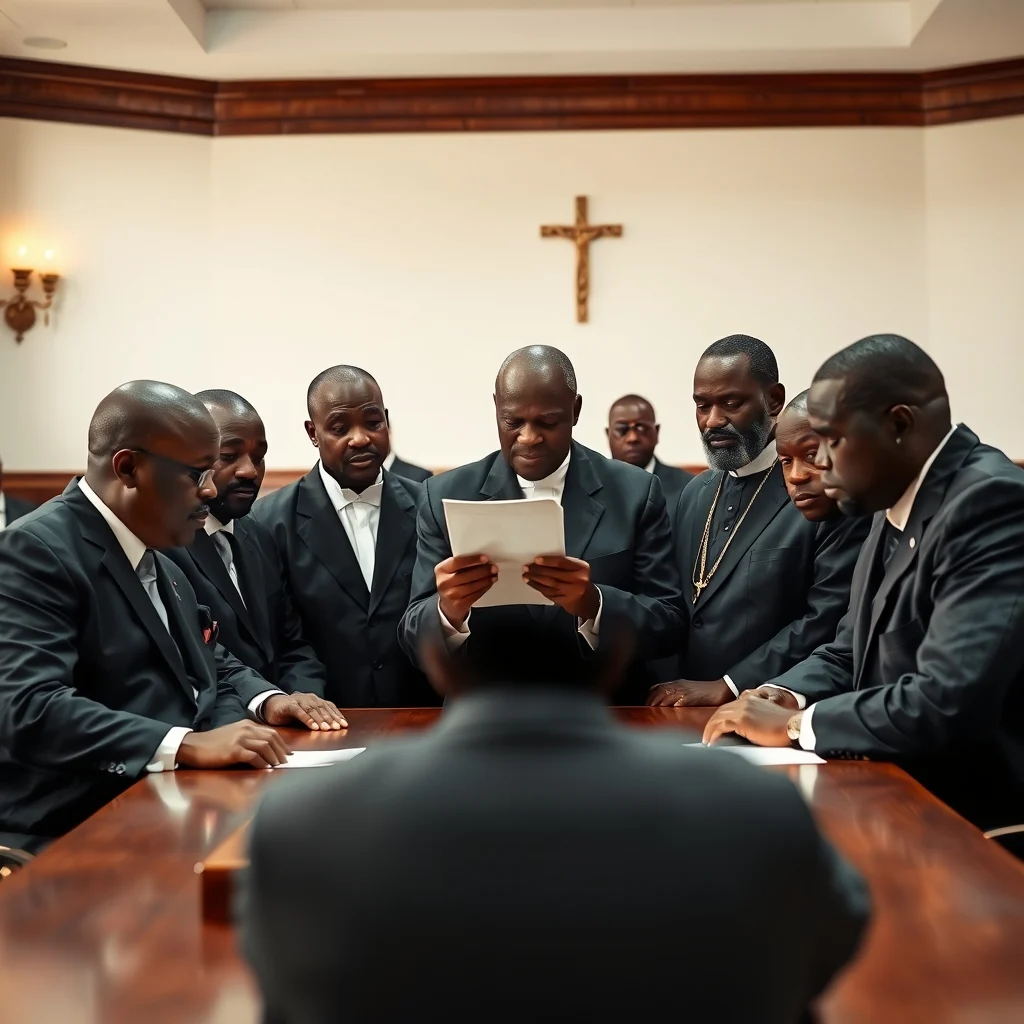
Once the bill reaches the President, the Constitution offers several avenues beyond immediate assent. Mahama can seek advice from the Attorney-General, refer the bill to the Council of State for comment, or return it to Parliament with reasons for withholding assent.
The Ugandan experience offers a cautionary tale. In 2014, Uganda’s Anti-Homosexuality Act was struck down by the Constitutional Court not for its policy objectives, but due to a lack of the constitutionally required quorum during its passage. This highlights the critical importance of procedural integrity in legislation.
Ghana’s Speaker Alban Bagbin’s recent concerns about the bill’s passage introduce further uncertainty, providing a basis for constitutional scrutiny, regardless of their ultimate justification.
The Article 108 Question and Fiscal Implications
Article 108 of the Constitution restricts Members of Parliament from introducing bills that impose a charge on public funds. Critics argue that the enforcement of new criminal offenses in the bill, such as investigations, prosecutions, and incarceration, will inevitably lead to substantial public expenditure, potentially violating Article 108.
Supporters counter that Parliament has already considered fiscal implications and that ordinary enforcement costs do not automatically constitute a constitutional “charge on public funds.” However, the Supreme Court has not definitively settled the outer limits of Article 108, leaving the issue legally unsettled.
Prospects of Judicial Review and Political Maneuvering
Even if assented to, the bill faces potential constitutional challenges concerning freedom of speech, expression, association, personal liberty, privacy, media, and academic freedom. While supporters argue for reasonable restrictions to protect public morality and cultural values, opponents see potential conflicts with constitutional rights.
Presidential assent does not prevent judicial review; the Supreme Court can strike down any provision found inconsistent with the Constitution.
If President Mahama refuses assent, Parliament can override his decision with a two-thirds majority, making assent constitutionally obligatory. This means his refusal might only delay, not prevent, the bill’s enactment.
Political Stakes for Mahama and the NDC
The President’s decision carries significant political weight. Signing the bill could satisfy campaign promises and align with majority public sentiment but may draw criticism from human rights advocates. Refusing assent risks accusations of abandoning a campaign pledge or succumbing to international pressure, potentially costing the National Democratic Congress (NDC) politically.
Mahama could frame a refusal as constitutional prudence, citing procedural concerns or legal uncertainties, rather than opposition to the bill’s objectives. This nuanced approach might help the NDC navigate public opinion, international relations, and electoral considerations.
The Path Forward
Given the complex legal and political landscape, an immediate assent or outright rejection is less likely. President Mahama will likely engage in a period of constitutional review, consulting legal advisors and potentially the Council of State. He will carefully consider procedural concerns, Article 108 questions, and the possibility of future litigation.
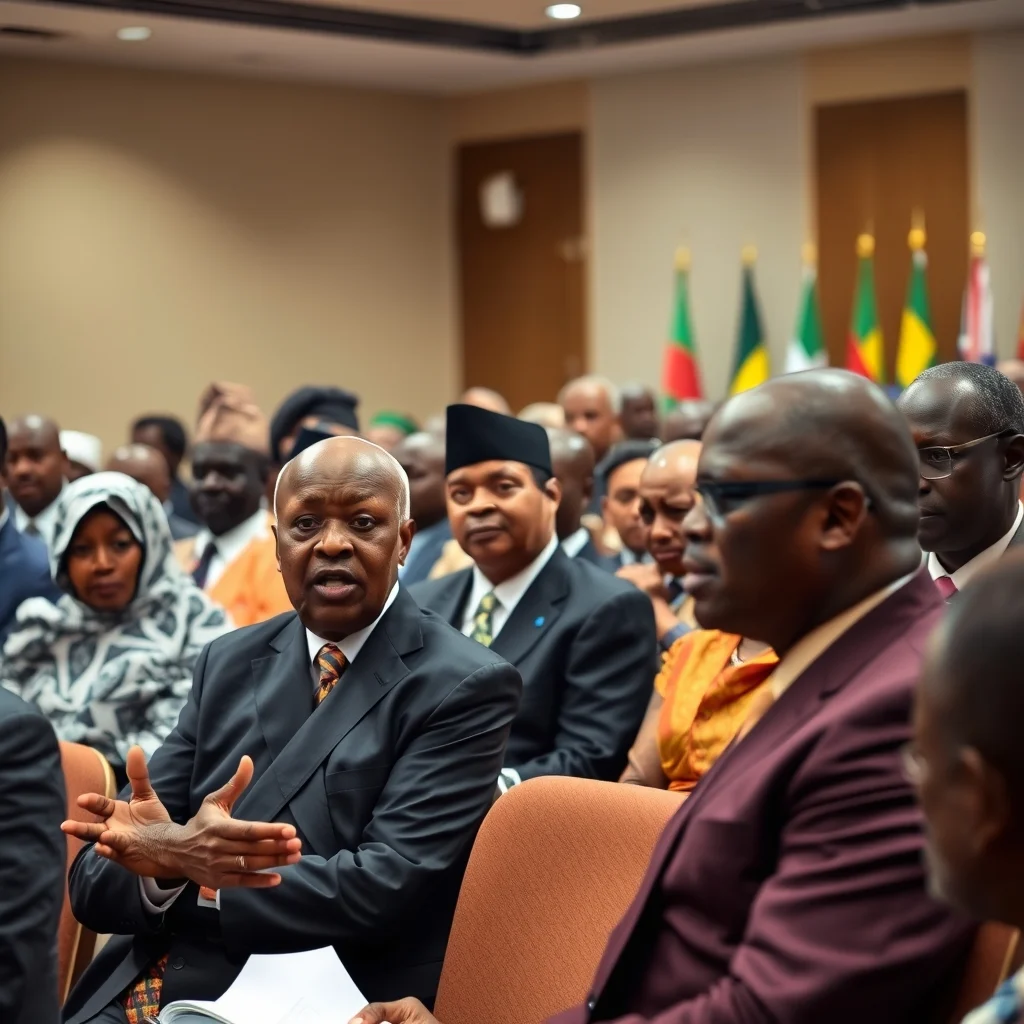
The ultimate fate of the bill may hinge on Ghana’s constitutional safeguards rather than the substance of the debate itself. Questions of quorum, procedure, Article 108, presidential duty, and fundamental rights are now central. Whether the President assents, returns the bill, or seeks further review, his decision will be shaped by his assessment of the legislation’s constitutional resilience.
Even if the President initially declines to assent, Parliament retains the power to override his decision with a two-thirds majority. The final outcome will likely be determined by the interplay between the Presidency, Parliament, and potentially the judiciary.








Leave a Reply