
Iran’s national soccer team has been granted visas to enter the United States for the upcoming World Cup, a White House official confirmed Friday, just ten days before their opening match in Los Angeles. The development comes amidst ongoing conflict between the two nations, highlighting the tournament’s role as a stage for geopolitical maneuvering.
Visa Delays Spark Concern
The confirmation followed reports late Thursday from Iran’s ambassador to Mexico, Abolfazl Pasandideh, stating that the squad had not yet received their U.S. visas. A spokesman for Iran’s World Cup federation could not be immediately reached for comment. Earlier on Friday, Iran’s semi-official Fars news agency reported that visas for some technical and administrative staff had still not been issued, with the U.S. embassy reportedly refusing them.
This uncertainty surrounding visas underscores the complex diplomatic landscape. The U.S. had not formally indicated it did not want the Iranian team on its territory, according to Ambassador Pasandideh. However, Secretary of State Marco Rubio had previously informed lawmakers that the U.S. would deny entry to individuals linked to the Islamic Revolutionary Guards, a powerful branch of the Iranian armed forces.
Tournament Becomes Geopolitical Arena
The World Cup, the most significant global sporting event, has transformed into a geopolitical contest, with both Iran and the U.S. seemingly leveraging the tournament for political posturing. This marks the first World Cup since its inception in 1930 where a host nation is set to compete against a country with which it is engaged in conflict.
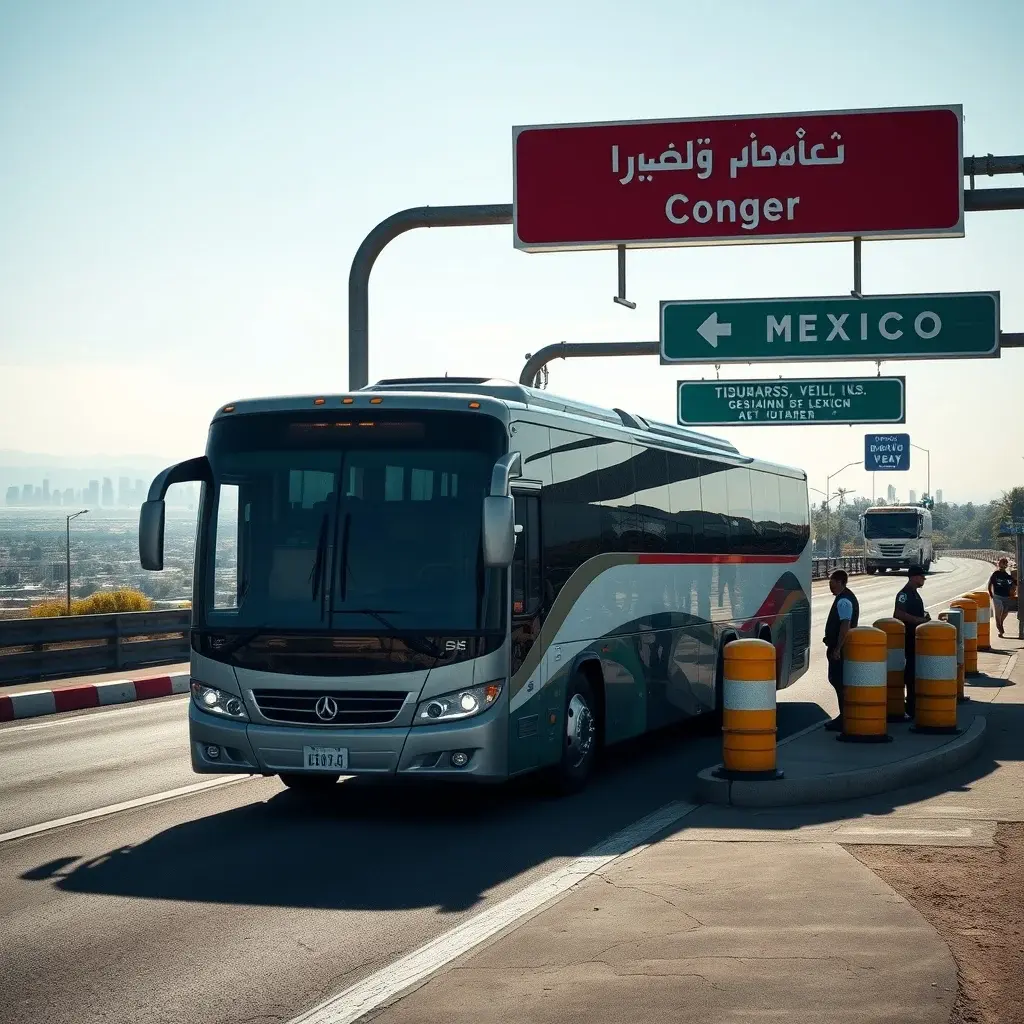
The visa issues prompted Iran to negotiate a last-minute relocation of their team base from Arizona to Tijuana, Mexico. This move was influenced by the visa delays and a growing sentiment within Iran that the squad’s presence in the United States should be minimized. The team is scheduled to arrive in Tijuana early Sunday.
Iran’s Stance: Seeking Peace
Mehdi Taj, president of Iran’s soccer federation and a former commander in the Revolutionary Guards, was previously denied entry for the tournament draw in Washington in December. Iran’s participation in the World Cup, even on the soil of what is perceived as its adversary, is intended to demonstrate the nation’s pursuit of peace, Ambassador Pasandideh stated through a Spanish interpreter at the Iranian embassy in Mexico City.
Progress in peace talks between Iran and the U.S. has been slow, with both nations appearing to inch towards an interim agreement despite ongoing military actions. Iran’s desire to compete in the World Cup underscores its efforts to reach a resolution in the ongoing conflict with Washington.
Match Schedule and Implications
Iran is slated to play its first Group G match against New Zealand on June 15 in Los Angeles. They will subsequently face Belgium in the same city before traveling to Seattle to play Egypt. The complex geopolitical backdrop adds an unusual layer of significance to these matches, turning athletic competition into a symbol of international relations.
The resolution of the visa situation, while a relief for the Iranian team and fans, highlights the delicate balance between international sports and political realities. As the tournament commences, the world will be watching not only the games but also the diplomatic undercurrents shaping this unique World Cup.
What to Watch Next
Attention will now turn to the Iranian team’s arrival and acclimatization in Mexico, and how the visa situation for their administrative staff ultimately resolves. Observers will also monitor any political statements or gestures made by either side during the tournament, and whether the World Cup can serve as a bridge, however small, towards de-escalation between the two nations.






Leave a Reply