
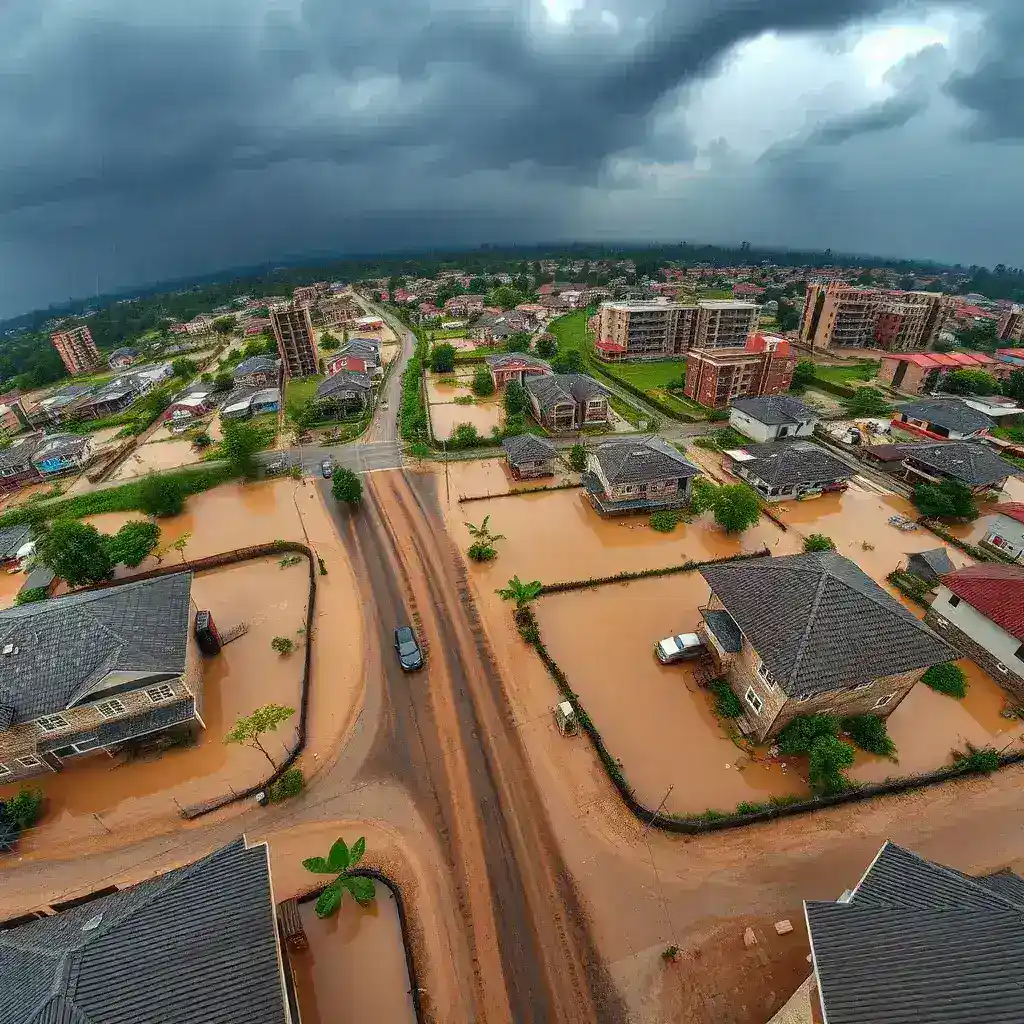
Accra, Ghana – In recent years, the persistent flooding crisis in Accra has expanded beyond its usual low-lying areas, engulfing newly developed residential communities and estates. This alarming trend, exacerbated by heavy rainfall, is prompting urgent questions about the sustainability of the capital’s rapid urban expansion and its vulnerability to environmental changes.
Shifting Flood Zones Raise Alarms
Once considered safe havens, several emerging neighborhoods in Accra are now experiencing significant inundation during periods of intense rainfall. Homes, vital roads, and commercial businesses in these areas are frequently submerged, disrupting daily life and causing considerable economic losses.
This shift in flood-prone zones signifies a potentially critical failure in urban planning and infrastructure development. It suggests that the city’s growth is outpacing its capacity to manage water runoff and mitigate natural hazards.
Unpacking the Causes: A Multifaceted Problem
Experts and observers are pointing to a confluence of factors contributing to this escalating crisis. Rapid, often unplanned, urban development is a primary concern, with construction frequently encroaching on natural drainage pathways and wetlands.
These wetlands, crucial for absorbing excess water, are being systematically filled and built upon to accommodate the city’s growing population and demand for housing. This loss of natural sponge capacity leaves the urban landscape more susceptible to flooding.
Furthermore, the existing drainage infrastructure is often inadequate to cope with the increased volume of water generated by extensive paving and construction. Many drainage systems are either outdated, poorly maintained, or simply insufficient for the scale of development.
Adding to these man-made issues are the undeniable impacts of changing climate patterns. Increased frequency and intensity of rainfall events, consistent with global climate change trends, place an unprecedented strain on urban environments.
Data and Expert Insights
JoyNews’ investigative program, ‘The Probe,’ has been at the forefront of highlighting these issues, interviewing residents and urban planning experts. They emphasize that the problem is not solely about heavy rain but about how the city’s physical structure interacts with water.
Dr. Isaac Nana K. Amponsah, a climate change expert, has previously noted that Ghana, like many West African nations, is experiencing more extreme weather events. He stresses the need for adaptive urban planning that integrates climate resilience measures.
Data from meteorological agencies often show an upward trend in rainfall intensity during the wet season, underscoring the need for infrastructure designed for these new realities.
Implications for Residents and the Future
The implications for Accra’s residents are profound. Beyond the immediate disruption and property damage, there are concerns about the long-term habitability and economic viability of affected areas. Property values in flood-prone zones are likely to decline, and insurance costs could become prohibitive.
For the city’s administration and developers, this crisis signals a critical juncture. A failure to address these systemic issues could lead to a perpetual cycle of damage and costly repairs, hindering economic progress and diminishing the quality of life for its citizens.
The current situation demands a comprehensive review of zoning laws, building regulations, and urban planning strategies. There is a growing consensus that a more integrated approach, involving environmental impact assessments, robust drainage system upgrades, and the preservation of natural water absorption areas, is essential.
What to Watch Next
The focus will now shift to how effectively Accra’s authorities and developers implement sustainable urban planning solutions. Key indicators to watch include the enforcement of building codes, investment in modern drainage infrastructure, and initiatives to restore or protect critical wetland ecosystems. The success of these efforts will determine Accra’s resilience against future flooding events and the long-term livability of its expanding urban landscape.









Leave a Reply