
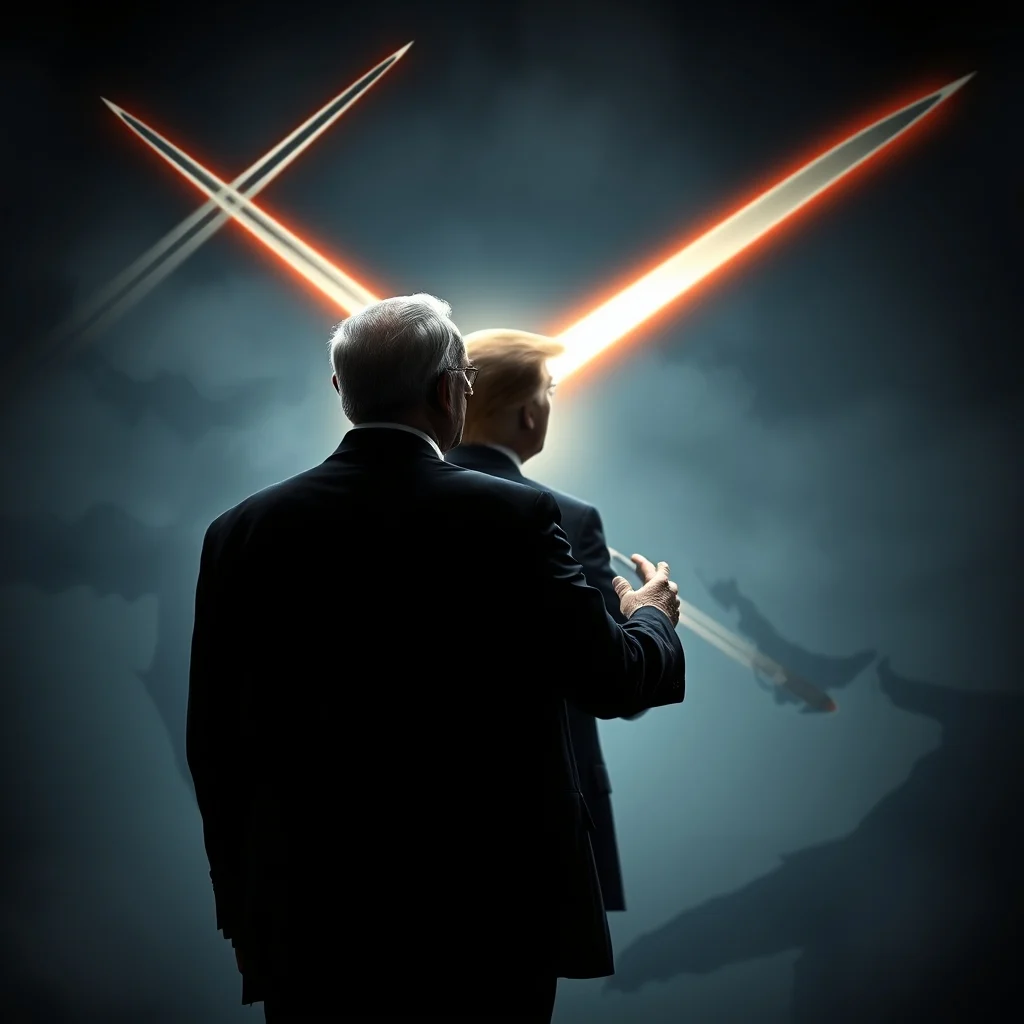
Israel announced new strikes on military targets in western and central Iran on Monday, a move that occurred despite reported admonitions from U.S. President Donald Trump for Prime Minister Benjamin Netanyahu to refrain from further attacks. The strikes followed a salvo of Iranian missiles aimed at Israeli targets earlier, which had threatened to derail ongoing U.S.-Iran peace talks. President Trump, however, insisted that these escalations would not impact his administration’s efforts to broker a deal to end the wider conflict.
Context of the Escalation
The latest hostilities come at a critical juncture in U.S.-Iran relations, with President Trump publicly stating his administration is nearing an agreement to end the protracted war. Trump has been actively involved in pushing for a resolution, reportedly even rebuking Prime Minister Netanyahu in a private phone call last week, urging him to de-escalate. This comes as Israel has continued its military campaign in Lebanon against Hezbollah, a conflict Israeli officials maintain is separate from the broader negotiations with Iran.
Iran’s position has been that any peace deal with the U.S. is contingent on a ceasefire in Lebanon. Tehran has also stated that U.S. bases and Israeli assets are legitimate targets due to perceived hostile actions, including what they describe as violations of agreements concerning Lebanon. Before the recent missile exchanges, Iran had not directly attacked Israel since a ceasefire in the wider war began in April, though Hezbollah has continued its cross-border attacks.
Trump’s Stance and Israeli Actions
President Trump articulated his firm stance in an interview with the Financial Times, asserting that he controls the ultimate decisions regarding the peace process. “I call the shots. I call all the shots. He (Netanyahu) doesn’t call the shots,” Trump stated, emphasizing his administration’s lead role. He also indicated a willingness to take decisive action if negotiations falter, telling NBC News, “We’re very close to a deal, or I’m going to blow the hell out of them.”
Despite Trump’s reported counsel to hold back, Israel’s defense forces confirmed striking Iranian military targets on Monday. Iran’s Revolutionary Guards claimed Israel had used air-launched ballistic missiles in attacks targeting locations inside Iran, including Ramat David air base near Nazareth. The Israeli military stated its defense systems intercepted missiles launched from Iran.
Lebanon Front and Wider War Dynamics
The conflict in Lebanon, which Israel invaded in March to counter Iran-backed Hezbollah, remains a significant point of contention. Israeli strikes on Sunday hit the southern outskirts of Beirut, a Hezbollah stronghold. Netanyahu stated these actions were a direct response to Hezbollah’s rocket and drone fire towards Israel. Hezbollah, not participating in the truce talks, has vowed to continue its attacks unless Israel halts its operations and withdraws from Lebanon.
The broader war has seen a stalemate since the U.S. and Iran paused attacks on each other in early April. However, tensions persist, with Iran impacting shipping through the Strait of Hormuz and Washington maintaining a blockade on Iranian ports. Both nations have reported being close to a preliminary agreement to reopen the strait, but recent escalations, including attacks on Arab states hosting U.S. bases, underscore the fragility of the situation.
Economic and Diplomatic Implications
The immediate impact of the renewed hostilities was felt in global oil markets, with Brent crude futures rising over 3% to trade above $96 a barrel on Monday morning. Diplomatically, the situation presents a challenge for the Trump administration’s peace initiative. Iran’s demands include the lifting of international sanctions, recognition of its regional influence, and the release of frozen assets. A Reuters report indicated that Washington might make Iranian assets available to Gulf neighbors for damage repair, a move Iran’s Deputy Foreign Minister condemned as illegal.
Looking Ahead
The coming days will be crucial in determining whether the U.S. can navigate these escalating tensions and secure a peace deal. Key factors to watch include the U.S. administration’s response to Israel’s continued strikes, Iran’s reaction to potential asset diversions, and the sustained ability of both sides to avoid further significant military escalation that could derail diplomatic efforts. The outcome of these developments will significantly influence regional stability and global energy markets.






Leave a Reply