
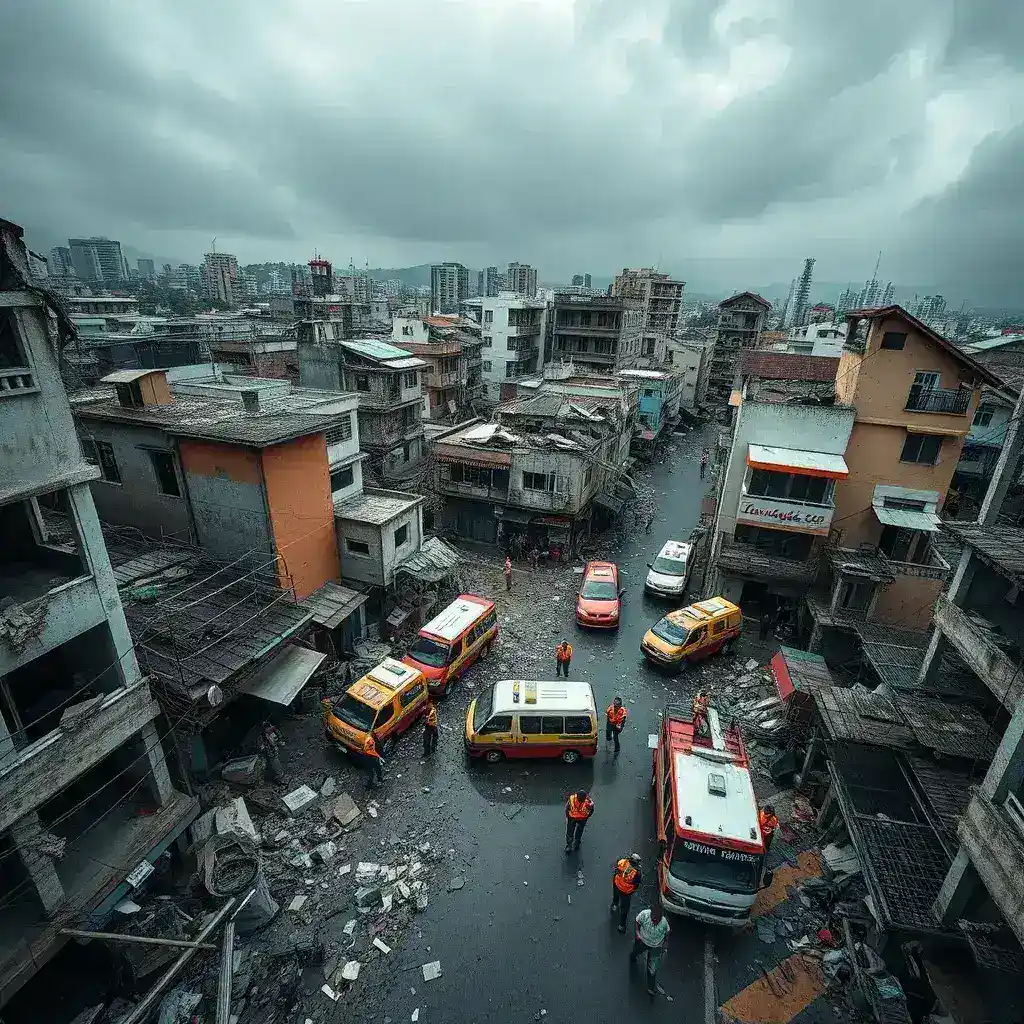
Philippine authorities are urgently verifying reports of at least five fatalities in the southern city of General Santos following a powerful magnitude 7.8 earthquake that struck the region on Monday. Agripino Dacera, the disaster management chief in General Santos, confirmed that the reported deaths are still undergoing verification as emergency teams assess the extent of the damage.
Assessing the Damage and Casualties
The magnitude 7.8 earthquake, which registered at a significant depth, has sent shockwaves across the southern Philippines, prompting widespread concern. Initial assessments indicate potential structural damage to buildings and infrastructure in affected areas, particularly in General Santos, a major urban center in Mindanao. Disaster response teams are on the ground, conducting rapid damage assessments and coordinating rescue efforts.
The Philippine Institute of Volcanology and Seismology (Phivolcs) has not yet issued detailed reports on the quake’s epicenter or the specific areas most impacted by the shaking. However, seismic monitoring stations across the archipelago registered the strong tremors, underscoring the seismic activity in the region, which lies within the Pacific Ring of Fire.
Emergency Response Mobilized
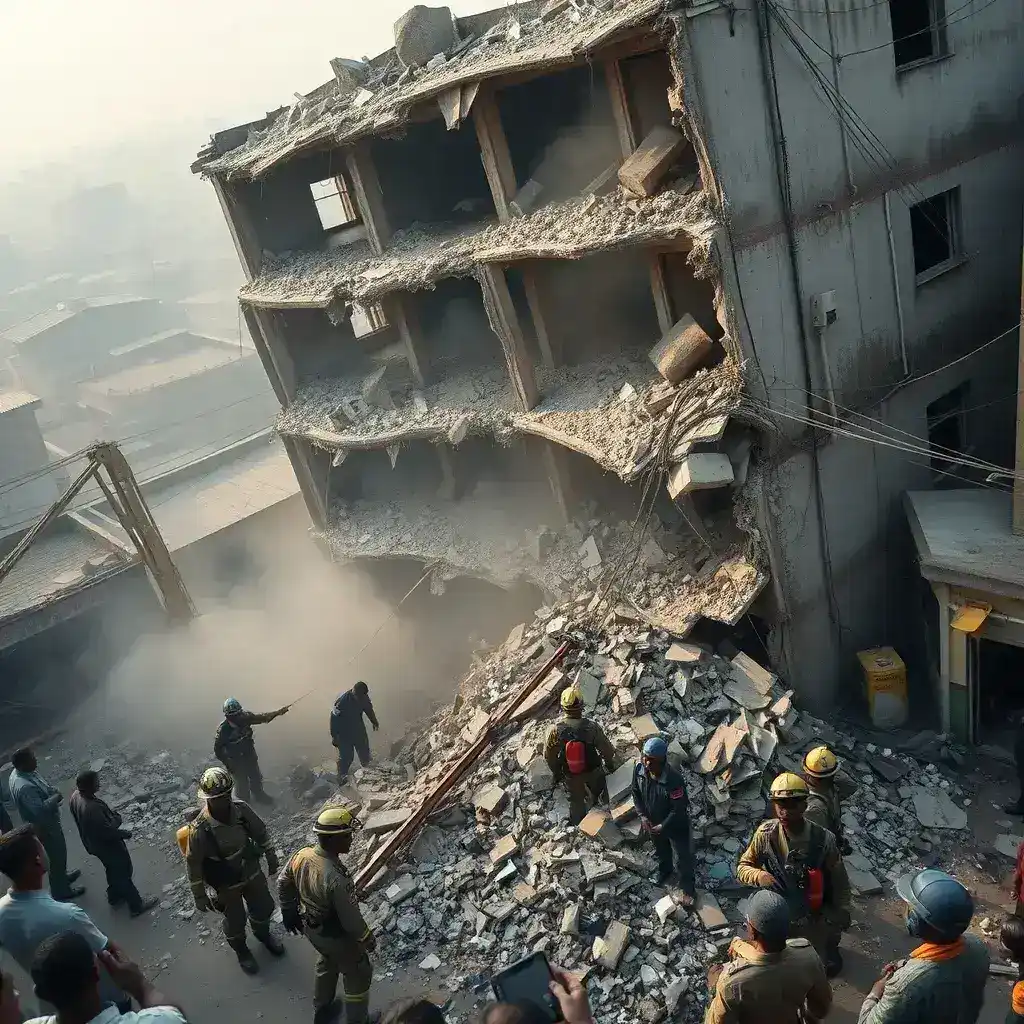
Local government units and national disaster agencies have initiated their emergency protocols. Rescue teams, including first responders and medical personnel, are being deployed to areas where damage is suspected or reported. The focus remains on ensuring the safety of residents, accounting for missing persons, and providing immediate medical assistance to the injured.
Communication lines in some areas may be affected, potentially hindering the flow of information. Authorities are urging residents to remain calm, stay informed through official channels, and follow safety guidelines issued by local disaster management offices. This includes avoiding damaged structures and being prepared for potential aftershocks.
Geological Context of the Region
The southern Philippines is no stranger to seismic activity due to its location on the Philippine Mobile Belt, a complex zone of tectonic boundaries. This region is characterized by numerous fault lines and is part of the larger Pacific Ring of Fire, an area known for its high frequency of earthquakes and volcanic eruptions. Previous significant earthquakes have occurred in this region, highlighting the persistent seismic risk.
Geologists emphasize that earthquakes of this magnitude, while concerning, are a natural consequence of the dynamic geological processes at play. Understanding the fault systems and seismic history of the region is crucial for developing effective disaster preparedness strategies and building resilient infrastructure.
Implications for Preparedness and Infrastructure
The aftermath of this earthquake will likely prompt a review of current disaster preparedness measures and building codes in the Philippines. Ensuring that infrastructure can withstand seismic events of this magnitude is paramount for saving lives and minimizing economic disruption.
For residents, this event serves as a stark reminder of the importance of earthquake drills and having emergency kits readily available. Staying informed about local disaster alerts and understanding evacuation routes are critical preparedness steps.
Looking Ahead
As verification of casualties and damage continues, the full scope of the earthquake’s impact will become clearer in the coming days. The focus will then shift to long-term recovery efforts, including infrastructure repair and providing support to affected communities. Authorities will also likely analyze the seismic data to better understand the specific fault rupture and its implications for future seismic activity in the region. Public awareness campaigns on earthquake safety and preparedness are expected to be reinforced.









Leave a Reply