

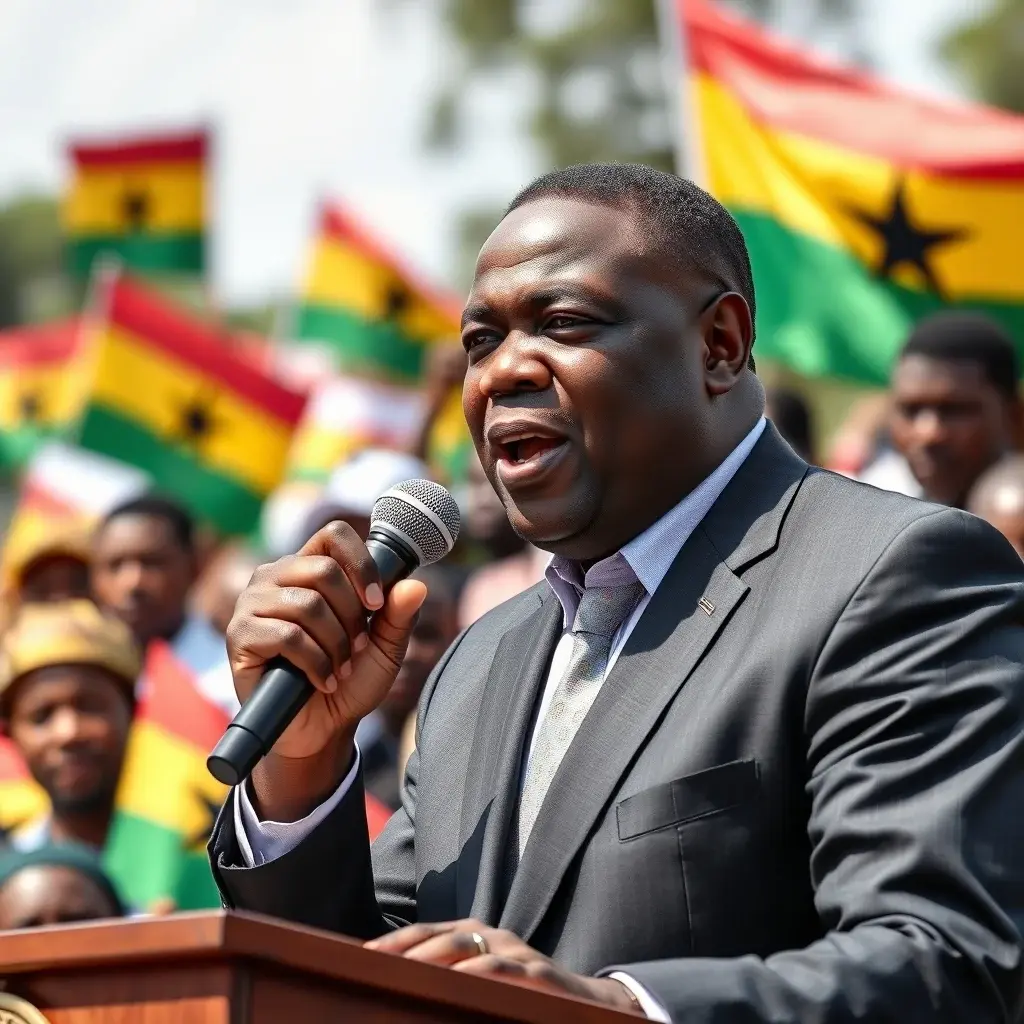
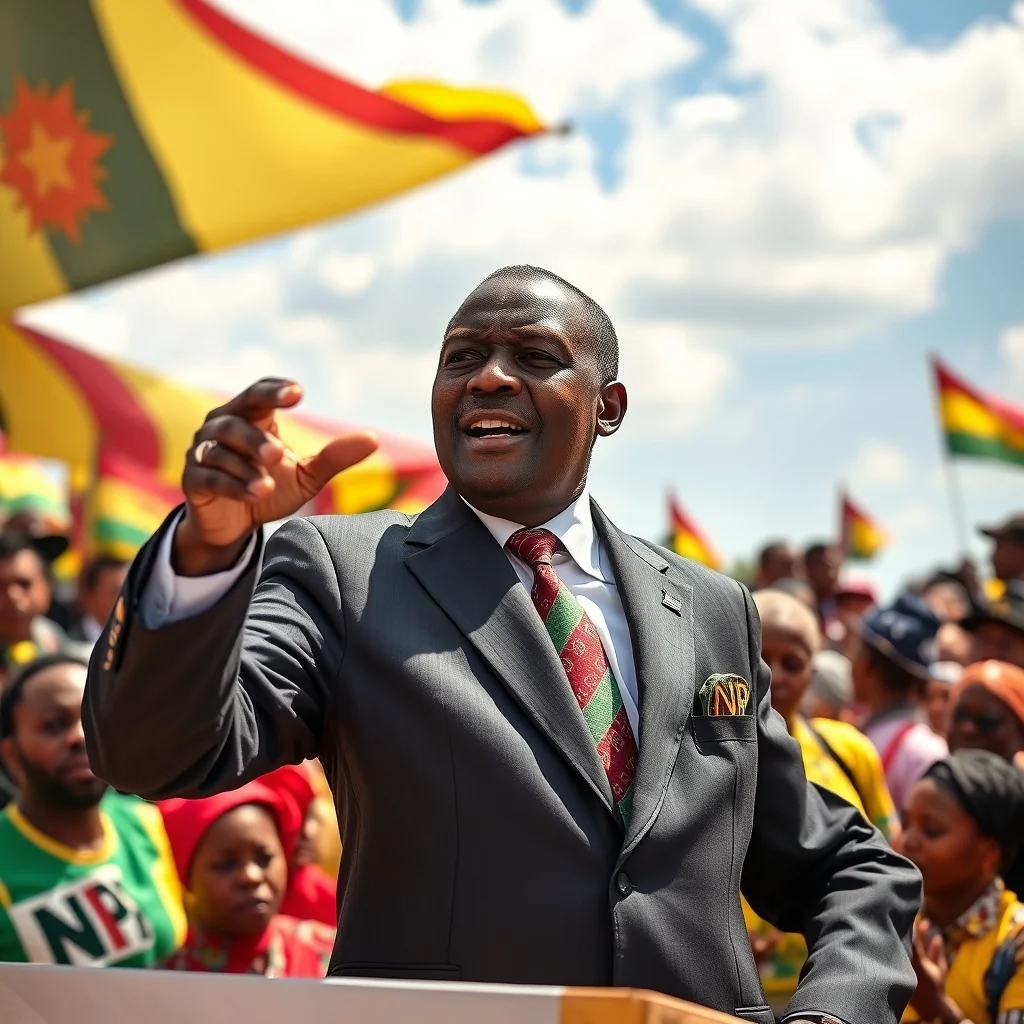
Kofi Ahovi, a climate communication specialist and media practitioner, has urged for intensified international collaboration to speed up climate action. Speaking at an event marking World Environment Day, Ahovi emphasized that robust global partnerships are essential for translating existing commitments, including those from the Climate Change Action Now (CCAN) initiative and the post-COP29 agenda, into concrete results.
Context: The Urgency for Climate Solutions
The call for stronger international cooperation comes at a critical juncture as the world grapples with the escalating impacts of climate change. Developing regions, particularly in West Africa, face significant challenges in accessing the necessary financial resources, advanced technologies, and scientific expertise to build resilience and mitigate environmental damage. Global initiatives and conferences often set ambitious targets, but their effective implementation relies heavily on coordinated international efforts.
Accessing Climate Finance and Technology
Ahovi, who also serves as the Editor of Business Week Ghana, highlighted improved access to climate finance as a primary benefit of international collaboration. Partnerships with multilateral institutions, development banks, donor countries, and private investors can unlock vital funding for renewable energy projects, climate-resilient infrastructure, and community adaptation programs. These mobilized resources are crucial for developing nations to undertake necessary mitigation and adaptation projects.
Furthermore, Ahovi stressed the importance of technology transfer and innovation. International cooperation can facilitate the acquisition of advanced climate technologies, such as early warning systems, climate-smart agriculture techniques, and efficient renewable energy solutions, which might otherwise be prohibitively expensive or inaccessible for developing countries.
Strengthening Scientific Research and Data-Driven Policy
The foundation of effective climate action, according to Ahovi, lies in evidence-based research and data. He advocated for enhanced scientific cooperation between African institutions and global research organizations. Such partnerships can lead to joint studies, improved climate forecasting, better data collection, and the development of more informed and effective climate policies.
This collaborative approach aligns with the mission of organizations like WASCAL (West African Science Service Centre on Climate Change and Adapted Land Use), which aims to translate climate science into practical solutions for West African communities. Strengthening scientific ties ensures that climate strategies are grounded in robust, localized research.
Investing in Nature-Based Solutions and Youth Empowerment
Ahovi also championed investment in nature-based solutions, identifying ecosystem restoration and conservation as highly effective tools against climate change. Initiatives like reforestation, mangrove restoration, and sustainable land management not only bolster environmental resilience but also simultaneously improve food security and protect livelihoods.
The role of young people in driving climate action was a prominent theme. Ahovi called for international partnerships to create pathways for youth leadership, including training, scholarships, exchange programs, and green entrepreneurship initiatives. Empowering the next generation with the necessary skills and resources is crucial for sustainable transformation.
Enhancing Climate Communication and Public Awareness
In addition to technical and scientific collaboration, Ahovi underscored the need for stronger partnerships in climate communication. Collaboration between the media, environmental organizations, and international communication networks can significantly improve climate literacy and public awareness. Enhanced communication efforts are vital for combating misinformation and encouraging broader citizen participation in climate action.
Implications: A Shift Towards Coordinated Global Action
The World Environment Day dialogue, which brought together diverse stakeholders including policymakers, researchers, and youth leaders, underscored the interconnectedness of global climate challenges. Ahovi concluded by emphasizing that the future success of climate action hinges on collective effort and coordinated implementation, moving beyond isolated national initiatives. The true opportunity, he stated, lies in transforming national climate efforts into a unified global partnership to build a more resilient and sustainable future for West Africa and the world.






Leave a Reply