
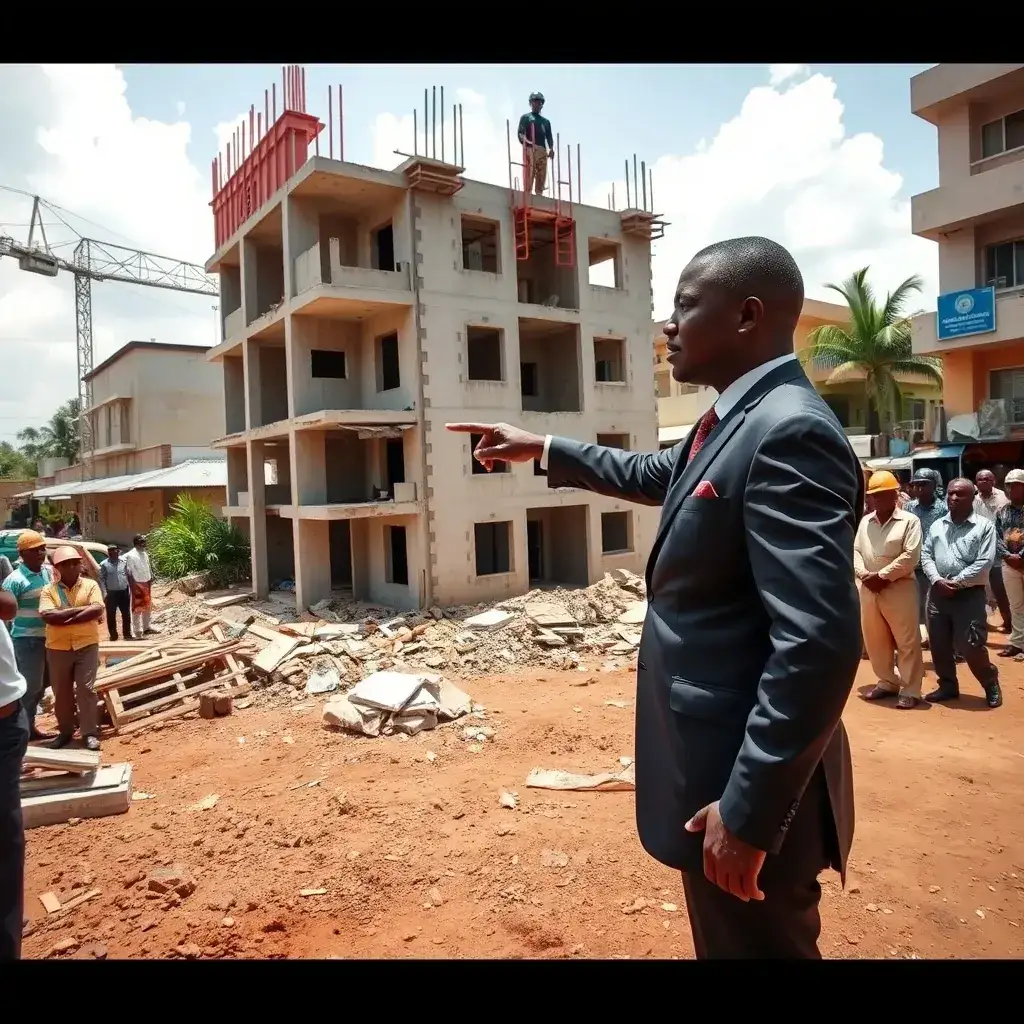
The Ministry of Local Government, Chieftaincy and Religious Affairs is set to commence a nationwide inspection of all Metropolitan, Municipal and District Assemblies (MMDAs) starting Tuesday, June 9. This initiative aims to evaluate the effectiveness of local authorities in enforcing development regulations, with a particular focus on compliance with building permit requirements. The move is a direct response to persistent issues of poor planning, illegal construction, and the resulting challenges, including flooding.
Strengthening Local Governance and Development Control
This inspection is part of a broader government strategy to reinforce local governance structures and promote orderly physical development across the country. Concerns regarding weak enforcement of planning laws and indiscriminate development, especially in sensitive areas like waterways and drainage paths, have been frequently raised by officials and stakeholders. The upcoming exercise seeks to address these systemic weaknesses directly.
Focus on MMDA Performance and Enforcement Gaps
The Deputy Minister for Local Government, Chieftaincy and Religious Affairs, Rita Naa Odoley Sowah, announced the directive during a stakeholder dialogue on landfill operations and sustainable solid waste management in Accra on Monday, June 7. She stated that the inspection will scrutinize the performance of Metropolitan, Municipal, and District Chief Executives (MMDCEs) in ensuring that residents and developers adhere to building regulations.
“If an authority has not given you a permit, the authority has the right to stop that building from going on. You will see stop-work orders, yet people continue building and complete projects,” Deputy Minister Sowah explained. She highlighted that many developments proceed without necessary permits, even after stop-work notices are issued, leading to substantial government expenditure on subsequent demolition exercises.
Proactive Enforcement and Accountability
The ministry is emphasizing the need for proactive enforcement by local authorities to prevent illegal developments from escalating into environmental and infrastructural crises. “When issues are raised, we need to be proactive so that this crisis does not occur,” Sowah urged. The inspection will delve into the specific actions MMDAs are taking to ensure compliance and assess whether existing bylaws are being actively implemented or merely stored.
“We have the bylaws. Are we working with them, or are they just sitting on shelves? We should let the people feel that we are the authorities with the mandate to issue or refuse permits,” she added, underscoring the importance of visible and effective authority.
Addressing Flooding and Illegal Construction
A significant driver for this inspection is the recurring problem of flooding, often exacerbated by construction activities in prohibited areas. The ministry stressed the critical need to halt construction on waterways, as such practices worsen flood risks and undermine national efforts to build resilient communities. By identifying enforcement gaps, the government aims to hold MMDCEs accountable and bolster the effectiveness of planning and development control mechanisms nationwide.
Looking Ahead: Improving Urban Planning and Resilience
The nationwide inspection is expected to provide crucial data on the operational capacity and effectiveness of MMDAs in managing development. This information will inform future policy adjustments and resource allocation aimed at strengthening local planning authorities. The government’s intensified efforts signal a commitment to fostering more orderly urban growth and mitigating the devastating impacts of climate-related events like flooding. The success of this initiative will depend on the sustained commitment of MMDAs to enforce regulations and the public’s cooperation with building permit requirements, paving the way for safer and more resilient communities.








Leave a Reply