
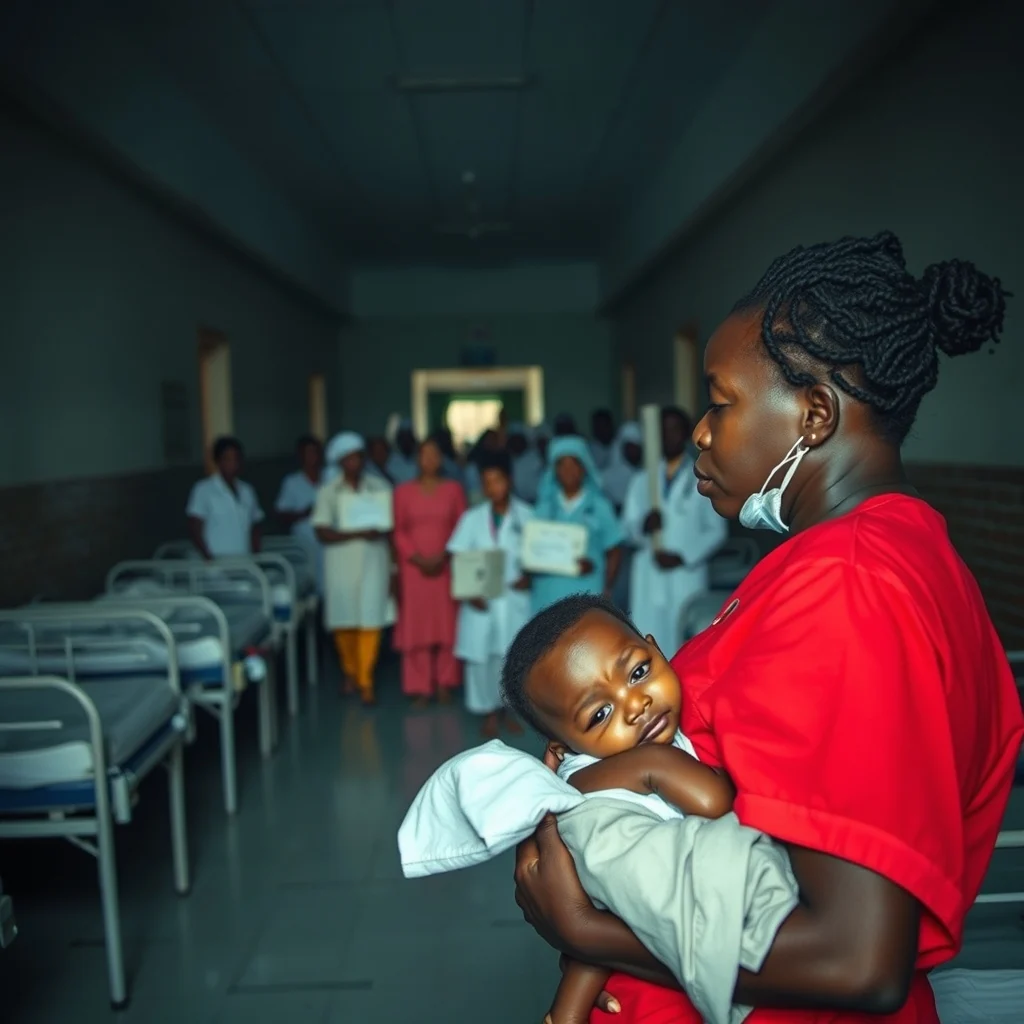
The Minority in Parliament has implored doctors and nurses at the Komfo Anokye Teaching Hospital (KATH) to halt their industrial action, emphasizing the critical need for patient care as lives hang in the balance. The appeal comes amidst an ongoing strike that has halted essential services at the major health facility.
Context of the Strike
The healthcare professionals at KATH initiated an indefinite strike following the suspension of their Chief Executive Officer, Dr. (Med) Paa Kwesi Baidoo. The workers view this suspension as unfair and believe it negatively impacts institutional morale. This action has directly impacted patient access to vital medical treatments.
Patient Welfare at the Forefront
Dr. Nana Ayew Afriyie, the Ranking Member on Parliament’s Health Committee, acknowledged the validity of the healthcare workers’ grievances during an interview on JoyNews’ The Pulse. He recognized their difficult working conditions, including being overwhelmed and facing mismanagement issues.
However, Dr. Afriyie stressed that the suffering of the public cannot be overlooked. “Lives lost cannot be reversed,” he stated, highlighting the irreversible consequences of the strike on patient outcomes. He expressed sensitivity to the plight of the doctors but equally to the public’s suffering.
The legislator pointed out that a significant portion of patients in public health facilities are women and vulnerable individuals. These groups often have limited access to alternative healthcare options, making the KATH strike particularly devastating for them.
“Holding the public to ransom at a time when people are losing their lives is something we cannot afford,” Dr. Afriyie asserted. He emphasized that while he empathizes with the healthcare workers, patient care must remain the central focus of the dispute.
Broader Healthcare System Challenges
Dr. Afriyie also placed a share of the responsibility on government authorities. He called for urgent action to address the persistent infrastructural and logistical problems plaguing the nation’s health sector. The crisis at KATH, he argued, is symptomatic of these deeper systemic issues.
He advocated for increased investment in healthcare infrastructure, specifically urging the government to expedite the completion and operationalization of the Agenda 111 hospital projects. “If these facilities are functioning, the pressure on institutions like KATH will be significantly reduced,” he explained.
The Ranking Member cautioned that simply reopening facilities without tackling the underlying systemic challenges would only lead to recurrent crises. This suggests a need for a comprehensive, long-term strategy rather than short-term fixes.
Call for Non-Partisan Investment
Beyond the immediate KATH situation, Dr. Afriyie urged journalists and civil society organizations to maintain focus on the broader need for healthcare investment. He called for healthcare infrastructure development to transcend partisan politics.
“Taxpayer money under the NPP is the taxpayer’s money under the NDC. Taxpayer money has no political colouration. It belongs to the Ghanaian people, and we must use it to improve healthcare delivery for everyone,” he declared. This statement underscores the belief that essential public services should not be subject to political divides.
Looking Ahead
The appeal from the Minority highlights the delicate balance between the rights of healthcare workers and the immediate needs of patients. As the strike continues, attention will likely remain on potential government interventions to resolve the CEO suspension and address the underlying issues at KATH. The successful operationalization of projects like Agenda 111 could prove crucial in alleviating pressure on existing facilities and preventing future disruptions. Observers will be watching to see if political dialogue can bridge the gap between worker demands and patient care, and whether systemic investments will be prioritized to ensure sustained improvements in Ghana’s healthcare delivery.










Leave a Reply