
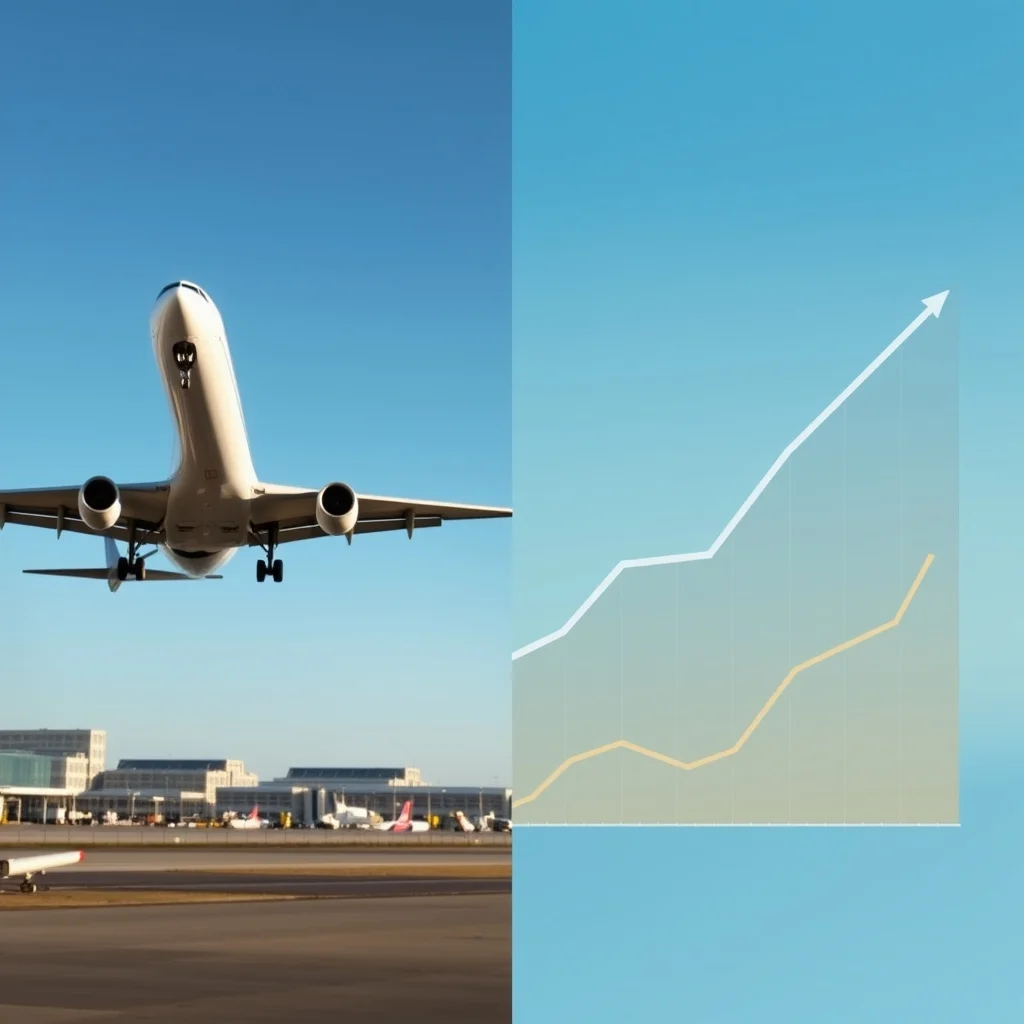
Europe’s leading airlines are sounding the alarm over a proposed European Union plan to extend carbon pricing to international flights, warning that such a move, under consideration for a review next month, would inevitably lead to higher airfares and cargo costs for passengers and businesses. This concern was articulated in a letter seen by Reuters, signed by CEOs from major carriers including Air France-KLM, IAG (owner of British Airways), Lufthansa, and Ryanair, alongside 15 other companies like AirBaltic, easyJet, and TUI.
EU Emissions Trading System Under Scrutiny
The core of the debate lies in the potential expansion of the EU Emissions Trading System (ETS). Currently, the ETS mandates that industries, including airlines operating within the European Economic Area (EEA), must purchase permits for their greenhouse gas emissions. This cap-and-trade system aims to incentivize emissions reductions over time by limiting the overall supply of permits.
The European Commission is contemplating broadening the ETS to encompass emissions generated by flights departing from the EU, a significant shift from its current intra-European scope. This potential extension is part of a broader review scheduled for next month, which could reshape the financial landscape for air travel originating in Europe.
Airline Industry’s Opposition and Concerns
In their joint letter to Commission President Ursula von der Leyen, the airline executives explicitly stated that extending EU carbon pricing beyond the EEA would disproportionately penalize European travelers and businesses. They argue that increased airfare and cargo costs would directly result from this policy shift.
The timing of this warning is notable, coinciding with the International Air Transport Association (IATA) annual meeting in Rio de Janeiro, where airline leaders are gathered. This highlights the industry’s unified front on the issue.
Undermining Global Decarbonization Efforts?
A key argument presented by the airlines is that unilateral EU action could undermine existing global efforts to decarbonize aviation. They specifically point to the United Nations’ Carbon Offsetting and Reduction Scheme for International Aviation (CORSIA).
CORSIA, while requiring airlines to purchase CO2 offsets to neutralize emissions growth from international flights, does not mandate absolute emissions reductions. The airline leaders contend that the EU’s ETS expansion would jeopardize the legitimacy and effectiveness of CORSIA, urging Brussels to align ETS costs with CORSIA levels instead.
The Commission’s Rationale
Conversely, the European Commission argues that extending the ETS would ensure a level playing field across all airlines. They believe it would prevent a competitive disadvantage for short-haul carriers operating within Europe compared to those flying longer international routes that would initially be excluded from the expanded ETS.
Furthermore, Brussels harbors skepticism about the sufficiency of CORSIA alone in driving meaningful decarbonization. A 2021 study commissioned by the EU suggested that CORSIA might not effectively reduce emissions and could potentially conflict with Europe’s own ambitious climate objectives.
Data and Expert Perspectives
While the article does not cite specific figures on the potential fare increases, the collective voice of major European airlines suggests a significant impact. The EU ETS has historically driven costs for covered sectors, and its expansion to international aviation would introduce a new, substantial financial obligation.
Aviation’s contribution to global carbon emissions is a growing concern. According to the International Energy Agency (IEA), aviation accounted for approximately 2.5% of global CO2 emissions in 2022. The pressure to reduce these emissions is mounting, leading to various policy proposals worldwide.
Implications for Travelers and the Industry
If the EU proceeds with expanding the ETS, passengers booking flights from Europe to international destinations can anticipate higher ticket prices. This could affect tourism, business travel, and the cost of shipping goods via air cargo.
For airlines, the added cost of carbon permits represents a significant operational expense. The industry is already navigating the complexities of sustainable aviation fuels and fleet modernization, and further regulatory costs could influence investment decisions and route planning.
What to Watch Next
The upcoming EU review next month will be critical in determining the future scope of the ETS. Stakeholders will be closely watching whether the Commission heeds the airlines’ warnings or prioritizes its own climate goals and the principle of equal treatment for all carriers operating from Europe. The response from international bodies like IATA and the UN will also be significant as the debate over aviation’s decarbonization strategy continues to evolve.









Leave a Reply