
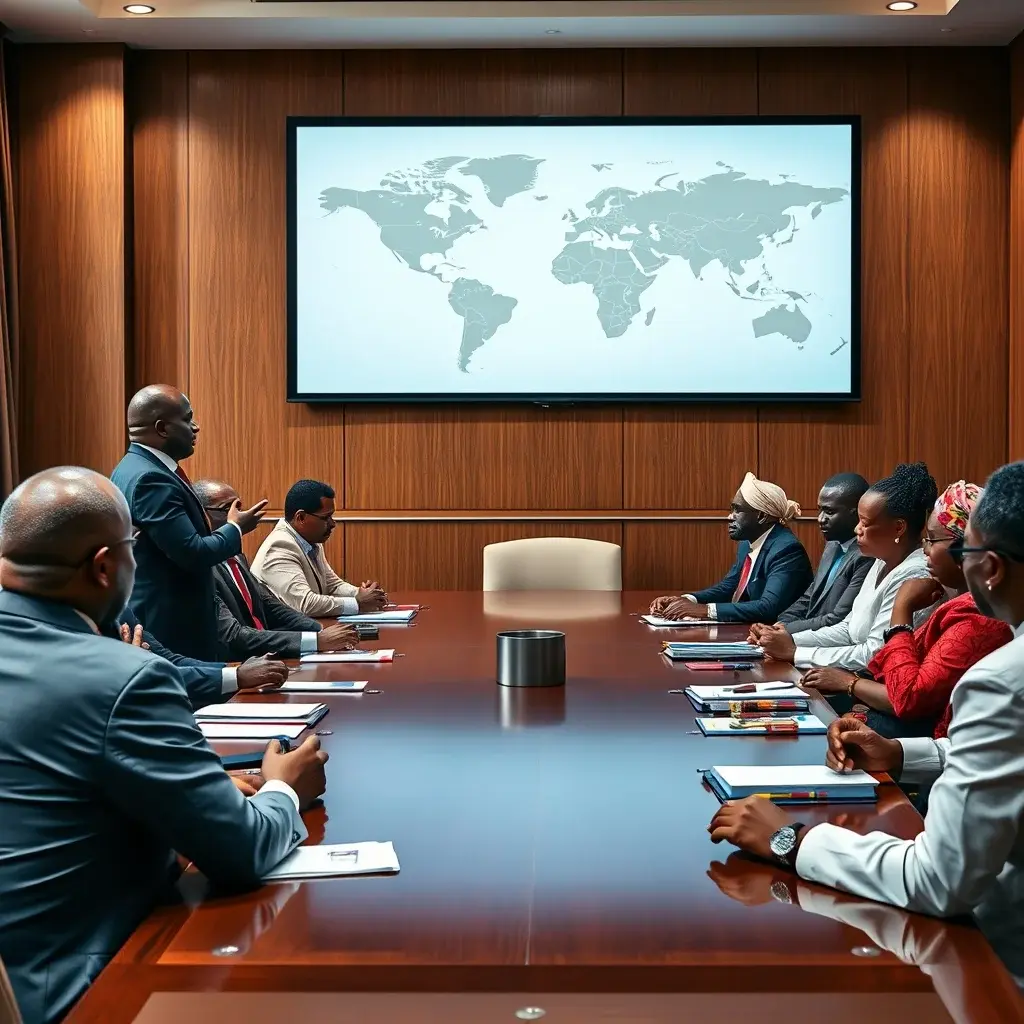
Ghana’s Minister for Foreign Affairs, Samuel Okudzeto Ablakwa, met with the diplomatic corps in Accra on Sunday, May 3rd, to reaffirm the nation’s commitment to robust international relations following a significant United Nations resolution. The resolution, which declared the transatlantic slave trade a grave crime against humanity and garnered support from over 120 countries, prompted the briefing to express gratitude for international backing while assuring nations that did not vote in favour that diplomatic ties remain unaffected.
Context of the UN Resolution
The recent United Nations resolution represents a pivotal moment in the ongoing global discourse on historical injustices. It formally acknowledges the transatlantic enslavement as one of humanity’s most profound crimes. This declaration is not merely symbolic; it signifies a renewed international commitment to pursuing reparatory justice for the enduring consequences of this brutal period.
The resolution’s adoption by a significant majority of UN member states underscores a growing international consensus on the severity and lasting impact of the slave trade. This collective recognition is a crucial step towards addressing the systemic inequalities and historical grievances that stem from centuries of exploitation.
Ghana’s Diplomatic Engagement
Minister Ablakwa, in a Facebook post on Sunday, detailed the purpose of the briefing. He conveyed the deep appreciation of President John Dramani Mahama and the Ghanaian people for the strong international support received during the resolution’s adoption. The meeting served as a platform to solidify Ghana’s position as a leader in advocating for reparatory justice on the global stage.
Crucially, the Minister extended an olive branch to nations that opposed or abstained from the vote. He emphatically stated that Ghana bears no ill will and does not anticipate these differing stances to impede existing diplomatic engagements or bilateral relationships. This approach highlights Ghana’s focus on building a unified front for addressing historical wrongs rather than fostering division.
Advancing Reparatory Justice
Ghana is actively spearheading the formation of a broad international alliance dedicated to advancing the cause of reparatory justice. Minister Ablakwa extended an invitation to all nations to join this expanding coalition, which already comprises over 123 countries.
The initiative aims to coordinate efforts and develop concrete strategies for dismantling the enduring consequences of enslavement. This includes addressing economic disparities, social injustices, and cultural impacts that continue to affect descendant communities worldwide.
Artifact Repatriation Efforts
A significant development highlighted by the Minister was the willingness of the Netherlands and Germany to return artefacts currently held in their custody. Mr. Ablakwa lauded these nations, describing their readiness to repatriate historical objects as a substantial stride towards rectifying historical injustices.
The return of cultural heritage is often seen as a vital component of reparatory justice, symbolizing a recognition of past wrongs and a commitment to cultural restitution. These actions are expected to encourage other nations to engage in similar initiatives.
Implications and Future Outlook
The UN resolution and Ghana’s proactive diplomatic efforts signal a potential shift in how the international community addresses the legacy of slavery. The formation of a large coalition for reparatory justice indicates a sustained and coordinated push for accountability and restitution.
For nations with historical ties to the slave trade, this momentum necessitates a serious consideration of their roles and responsibilities. The focus now shifts to the practical implementation of reparatory measures and the dismantling of systemic inequalities that persist.
What remains to be seen is the concrete nature of the ‘next steps’ Ghana plans to roll out with its coalition. The engagement of more nations in artifact repatriation and the development of comprehensive reparatory frameworks will be key indicators of the initiative’s long-term success. The global dialogue on slavery’s legacy has entered a new, action-oriented phase.







Leave a Reply