
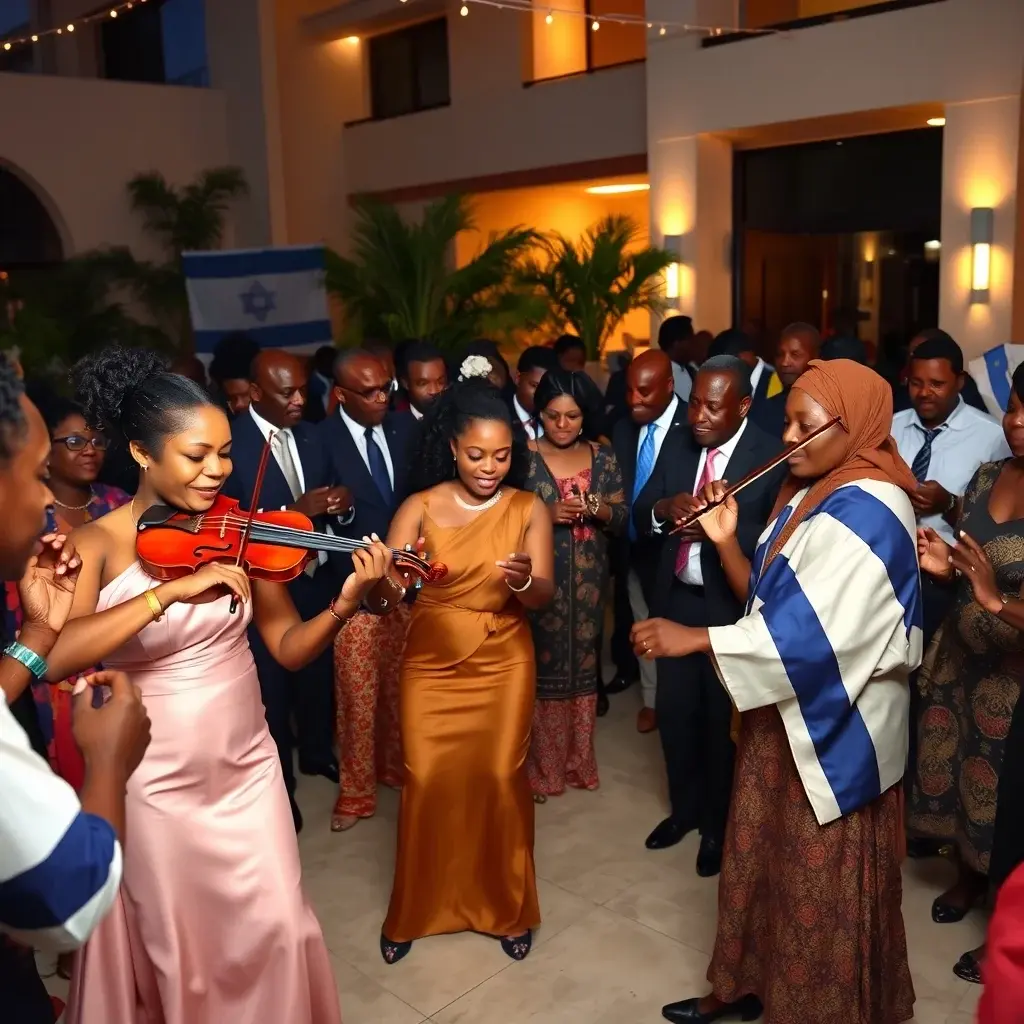
The Israeli Embassy in Accra illuminated the Ghanaian capital with a vibrant celebration marking Israel’s 78th anniversary, featuring a cultural showcase of Jewish dance, violin, and song. The event, attended by diplomats, government officials, and friends of the embassy, highlighted the enduring and expanding bilateral relationship between Israel and Ghana.
Cultural Exchange at the Forefront
Headlining the evening was Moldovan-born Israeli artist Tania Vinokur, a versatile violinist, dancer, and singer. Vinokur captivated the audience with a performance renowned for its fusion of world music and theatrical movement, blending traditional elements with contemporary artistic expression.
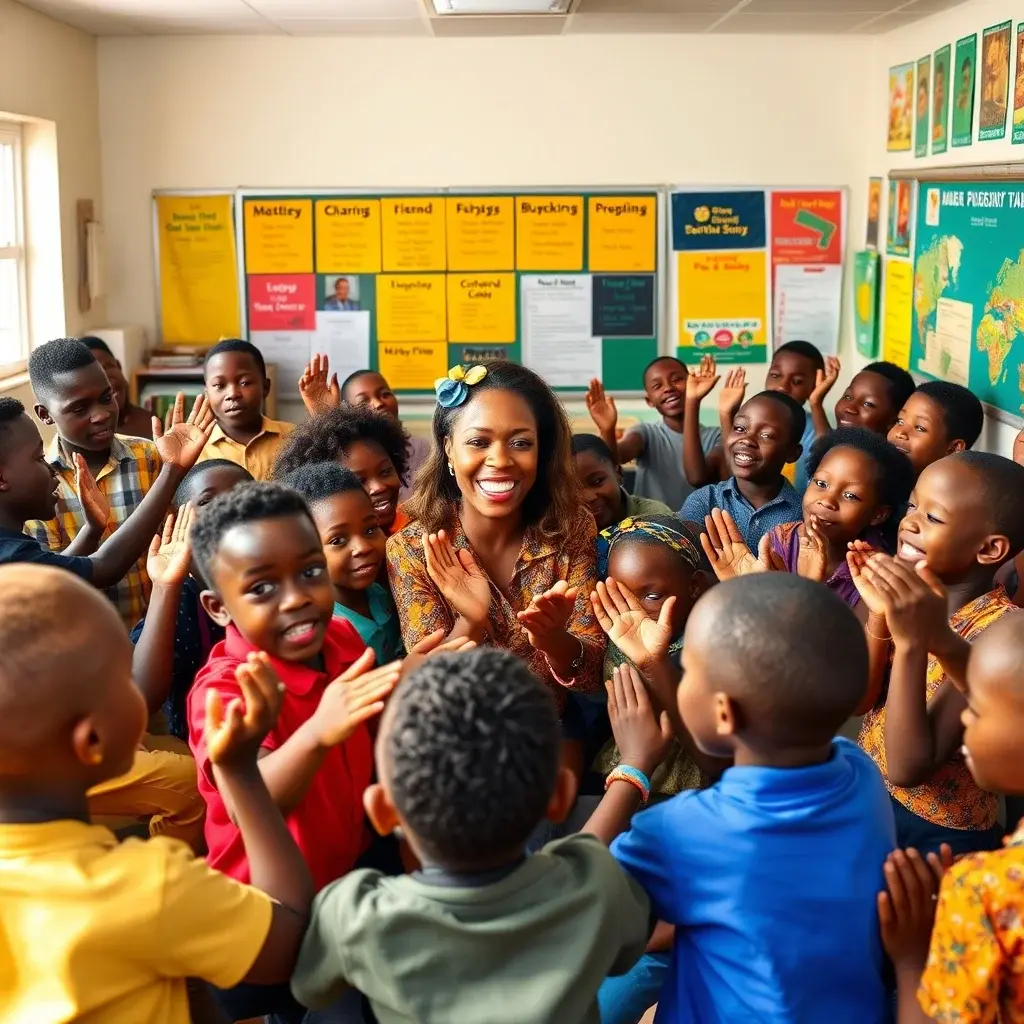
The cultural program also included an energetic performance by Israeli school children, culminating in a ceremonial dance that invited guests onto the dance floor. Ambassador Roey Gilad and his wife, Nita, actively engaged attendees, drawing diplomats, government officials, and clergy into the festive atmosphere.
Diplomatic Relations and Agricultural Cooperation
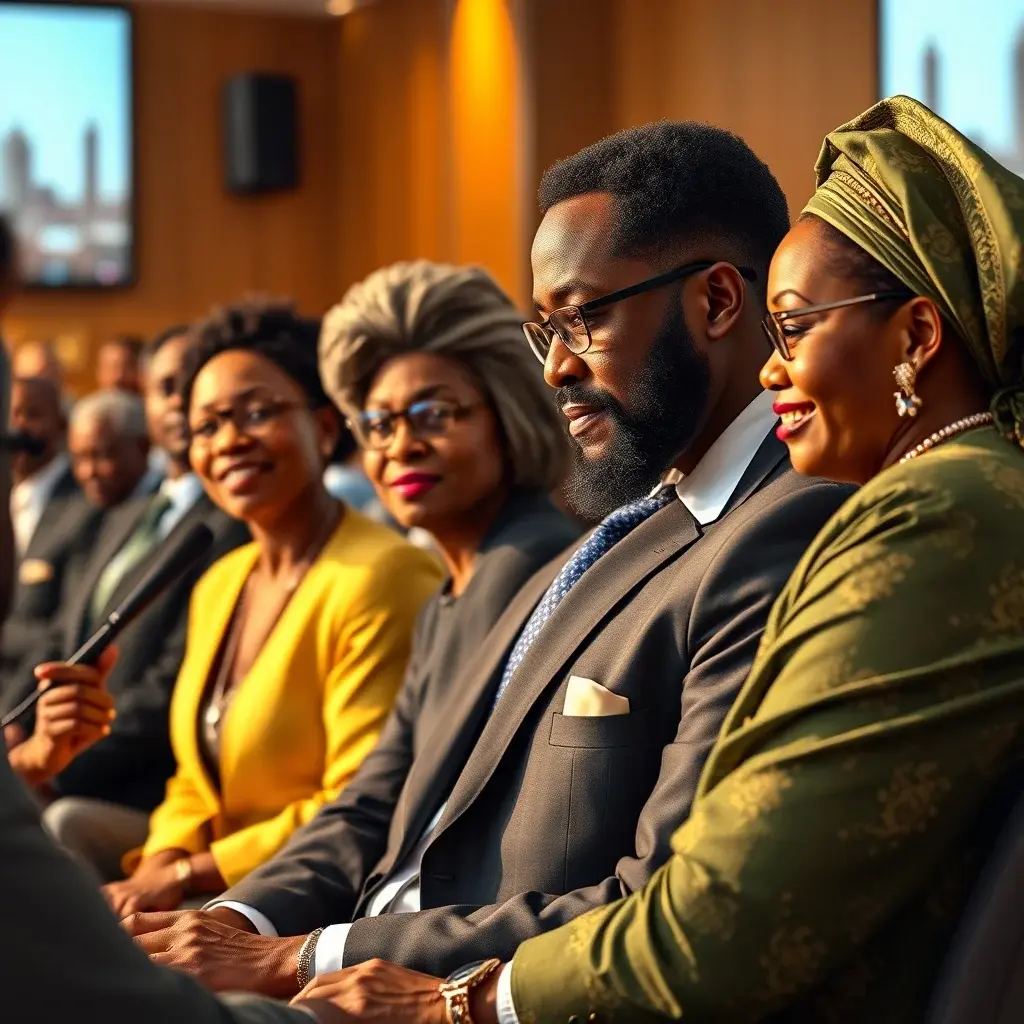
The event commenced with the playing of the national anthems of both Ghana and Israel. Ambassador Roey Gilad delivered an address emphasizing the robust ties between the two nations, with agriculture identified as a key pillar of cooperation.
He highlighted the role of MASHAV, Israel’s Agency for International Development Cooperation, in providing training for Ghanaian farmers both in Israel and through workshops within Ghana. Ambassador Gilad referred to this as the “Israeli agricultural miracle.” He also noted Ghana’s historical significance as the first African nation to host an Israeli Embassy, established in 1956, prior to its independence, marking Israel’s initial diplomatic mission in Sub-Saharan Africa.
The Ambassador further elaborated on the diversification of bilateral relations, extending into sectors such as cybersecurity, fintech, defense, and energy. He pointed out that Israeli private firms continue to contribute to Ghana’s development in critical areas like infrastructure, water management, and construction.
Regional Security and Peace Initiatives
Ambassador Gilad also addressed regional security concerns, mentioning the complex threats Israel faces from Iran and its affiliated proxy networks. He stated that the Islamic Republic of Iran has been actively pursuing nuclear capabilities since 1979 with the stated goal of destroying Israel.
“The people of Israel seek peace — a peace that will ensure the security of Israel,” he asserted. He announced ongoing peace negotiations with Lebanon, underscoring shared interests and the necessity of disarming militant groups.
Regarding relations with the Palestinians, Ambassador Gilad described normalization as “important, essential, and possible,” while identifying Hamas’s refusal to disarm as a significant obstacle. He acknowledged and praised Ghana’s substantial contribution of troops to the UNIFIL Peacekeeping Force in South Lebanon.
Ghana’s Perspective on Bilateral Cooperation
Kenneth Gilbert Adjei, representing the Government of Ghana as Minister for Works, Housing, and Water Resources, affirmed Ghana’s “long-standing and cordial relations” with Israel, founded on mutual respect and practical collaboration.
Mr. Adjei referenced Israel’s significant contributions to capacity building and technical assistance since Ghana’s independence. He recalled bilateral consultations held in Jerusalem in January, which reviewed existing cooperation and established future priorities, reaffirming commitments to strengthen economic, trade, and investment ties aligned with Ghana’s development objectives.
Ghana’s flagship initiatives, including the 24-Hour Economy policy, the Big Push Infrastructure Programme, the Volta Economic Corridor Project, and the One District, One Factory initiative, were highlighted by Mr. Adjei as offering “concrete avenues for enhanced collaboration with Israeli partners.” He suggested that Israeli expertise and investment could significantly boost productivity, industrial capacity, digital transformation, and job creation within these frameworks.
He further stressed the importance of expanding cooperation in health, education, and innovation, in addition to agriculture. Mr. Adjei welcomed MASHAV’s continued efforts in skills development and knowledge transfer, particularly in the realm of modern farming techniques.
Future Outlook and Emerging Opportunities
The discussions and cultural exchanges underscored the potential for deeper collaboration across various sectors. Ghana’s strategic development goals, coupled with Israel’s technological and developmental expertise, present a fertile ground for future partnerships.
The continued emphasis on MASHAV’s agricultural programs suggests a sustained focus on enhancing food security and agricultural productivity in Ghana. Furthermore, the expansion into areas like fintech, cybersecurity, and infrastructure indicates a forward-looking approach to bilateral engagement, aiming to support Ghana’s modernization and economic growth.
The successful celebration in Accra not only commemorated a significant anniversary but also served as a platform to reaffirm and explore new avenues for mutual benefit, building upon decades of established diplomatic and economic ties. Observers will be watching to see how these discussions translate into tangible projects and further strengthen the Israel-Ghana relationship in the coming years, particularly in the context of Ghana’s ambitious development agenda and Israel’s ongoing contributions to international development.



Leave a Reply