
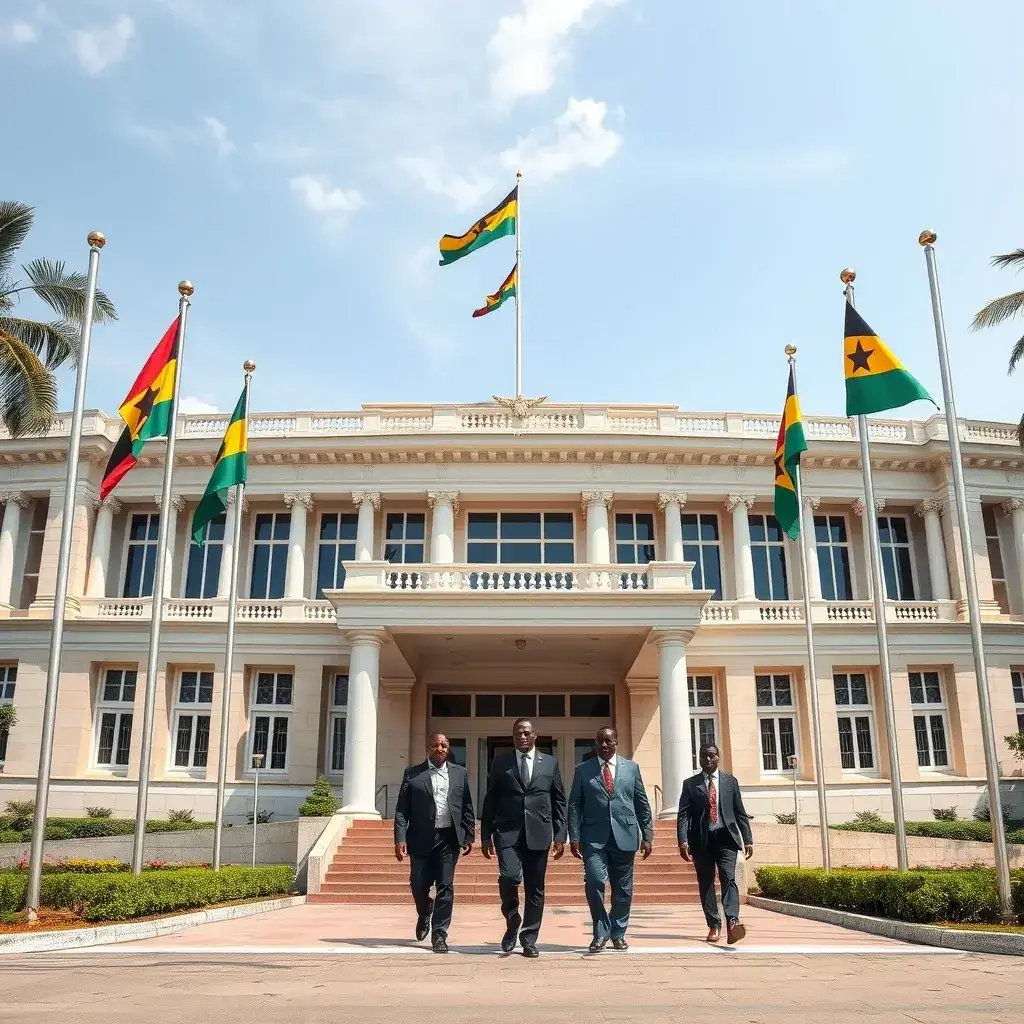
Parliament is set to reconvene on Thursday, May 21, 2026, at 10:00 a.m. at Parliament House in Accra. The resumption marks the beginning of the Second Meeting of the Second Session of the Ninth Parliament of the Fourth Republic, aiming to address national legislation and public interest issues.
Official Announcement and Legal Basis
The directive for the resumption was officially communicated by the Office of the Speaker, Alban Bagbin, on Monday, May 4. This announcement serves as formal notification to all Members of Parliament (MPs) and essential stakeholders regarding the upcoming session.
The Speaker’s decision to convene Parliament is in accordance with Order 58 of the Standing Orders of Parliament. This procedural step ensures that legislative business can proceed according to established parliamentary rules.
Agenda and Expected Discussions
While specific legislative items have not been detailed, the primary purpose of the Second Meeting is to engage in discussions on critical national legislation. These could range from economic policies and social welfare programs to security matters and public infrastructure projects.
The agenda will likely be shaped by current national priorities and any urgent matters that require legislative attention. The discussions are expected to involve debates, committee reviews, and potential voting on new bills or amendments to existing laws.
Role of Parliament in Governance
Parliament plays a vital role in the democratic governance of the nation, serving as the legislative arm of government. Its functions include making laws, scrutinizing the executive branch, and representing the interests of the citizenry.
The reconvening of Parliament signifies the continuation of these essential democratic processes. It provides a platform for public discourse and the formulation of policies that impact the lives of all citizens.
Historical Context of Parliamentary Sessions
The Ninth Parliament of the Fourth Republic commenced its term following the general elections. Each session is divided into meetings, during which MPs convene to conduct legislative business. The Second Meeting of the Second Session signifies a mid-term point in the parliamentary year, often a period of significant legislative activity.
Implications for Stakeholders and the Public
The resumption of parliamentary sittings has direct implications for government ministries, civil society organizations, and the general public. It means that legislative proposals currently under consideration will move forward, potentially leading to new laws or policy changes.
Citizens and interest groups will have opportunities to engage with their representatives on issues being debated in the House. The transparency of parliamentary proceedings allows the public to stay informed about the government’s legislative agenda and hold elected officials accountable.
Looking Ahead: Key Issues and Watch Points
As Parliament resumes, attention will be keenly focused on the specific bills and motions that will be presented. Observers will be watching for how MPs address pressing national challenges, the extent of bipartisan cooperation, and the effectiveness of legislative oversight.
The ability of Parliament to efficiently deliberate and pass crucial legislation will be a key indicator of its performance in serving the nation’s interests. The upcoming session is expected to be a dynamic period, setting the tone for future legislative achievements and policy directions.









Leave a Reply