
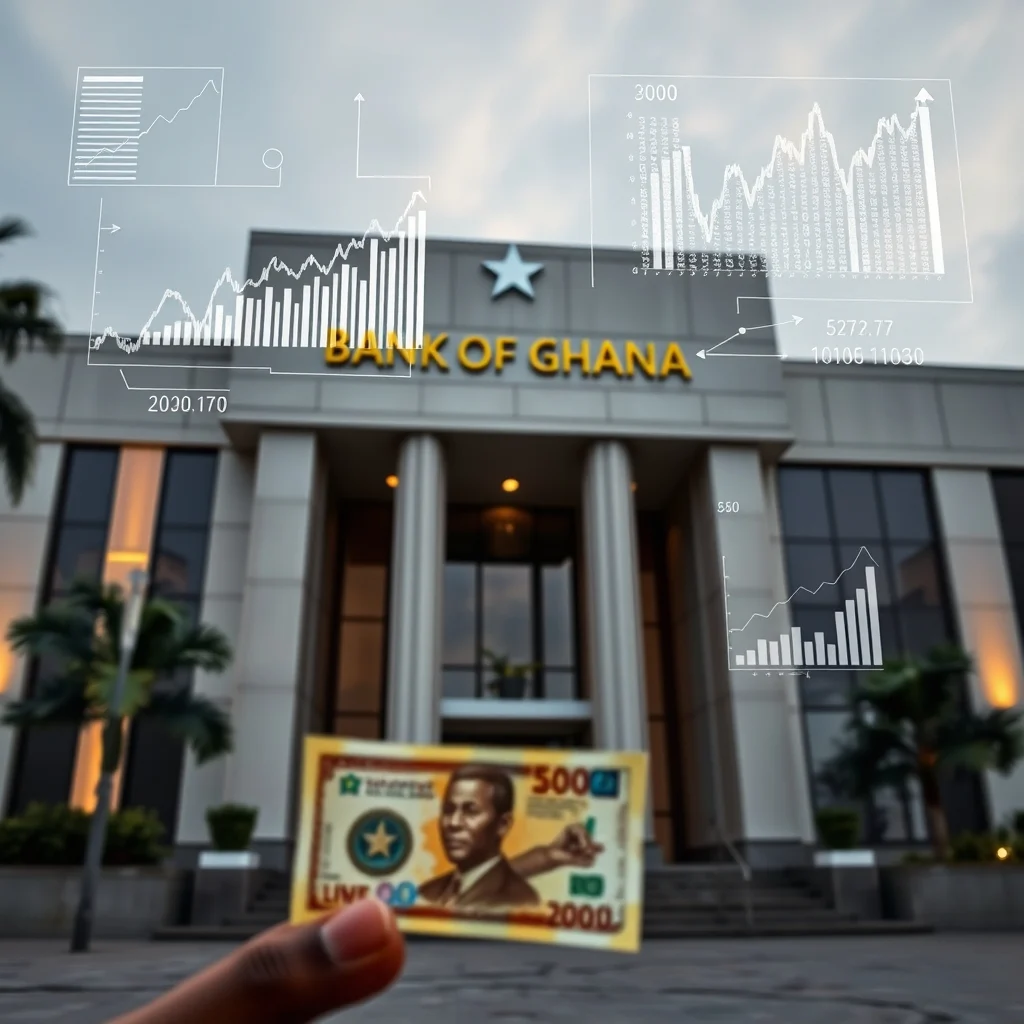
Dr. Hene Aku Kwapong, Founder and Managing Partner of the Songhai Group, has urged a comprehensive re-evaluation of Ghana’s monetary policy framework, citing the Bank of Ghana’s (BoG) current financial standing as a potential risk to economic stability and institutional trust. His remarks came during a discussion on the BoG’s 2025 financial statements, highlighting the delicate balancing act policymakers face between economic priorities and maintaining confidence in the nation’s financial system.
Navigating the ‘Impossible Triangle’
Central banks globally often grapple with conflicting objectives, a challenge Dr. Kwapong described as an “impossible triangle.” This inherent dilemma forces policymakers to make difficult trade-offs between maintaining monetary independence, ensuring foreign exchange stability, and implementing capital controls, particularly during periods of economic volatility.
The “impossible triangle” suggests that it is exceedingly difficult, if not impossible, for a central bank to achieve all three objectives simultaneously without some form of compromise. This means that pursuing one goal strongly may necessitate sacrificing another, creating complex strategic decisions.
Concerns Over BoG’s Financial Position
Dr. Kwapong specifically raised concerns about the Bank of Ghana’s financial condition, warning that it could impair the institution’s capacity to respond effectively to future pressures on the Ghanaian Cedi. A weakened financial position could undermine the central bank’s ability to defend the currency or even its overall credibility.
“We are at a point where if the central bank is running such a huge equity position, its capacity to be able to defend the currency should it be necessary, its capacity even just its credibility and everything now is on the line,” Dr. Kwapong stated in an interview with Channel One TV on Monday, May 4th.
He emphasized the need for “serious policy” to navigate these complex challenges. The financial health of a central bank is intrinsically linked to its operational effectiveness and its ability to inspire confidence in the markets and among the public.
Broader Implications for Ghana’s Economy
The financial stability of the Bank of Ghana is crucial for the overall health of the Ghanaian economy. A central bank with a compromised financial position may struggle to implement necessary monetary policy interventions, such as adjusting interest rates or intervening in foreign exchange markets.
This could lead to increased currency volatility, higher inflation, and a general erosion of investor confidence, both domestic and international. Such a scenario could deter foreign investment and make it more expensive for the government to borrow money.
The credibility of the central bank is a cornerstone of a stable economy. When this credibility is questioned, it can have far-reaching consequences, impacting everything from business planning to household savings.
Policy Trade-offs and Future Outlook
The current situation calls for a strategic approach from Ghana’s economic managers. They must carefully weigh the benefits and risks associated with different policy choices, considering the potential impact on the BoG’s financial strength and its policy-making autonomy.
Moving forward, stakeholders will be watching closely to see how the Bank of Ghana addresses these financial concerns. Any steps taken to strengthen its balance sheet and reinforce its policy independence will be critical in maintaining economic stability and investor confidence.
The effectiveness of Ghana’s monetary policy framework hinges significantly on the robust financial footing of its central bank. The coming months will likely reveal the strategies employed to navigate the “impossible triangle” and safeguard the nation’s economic future.









Leave a Reply