
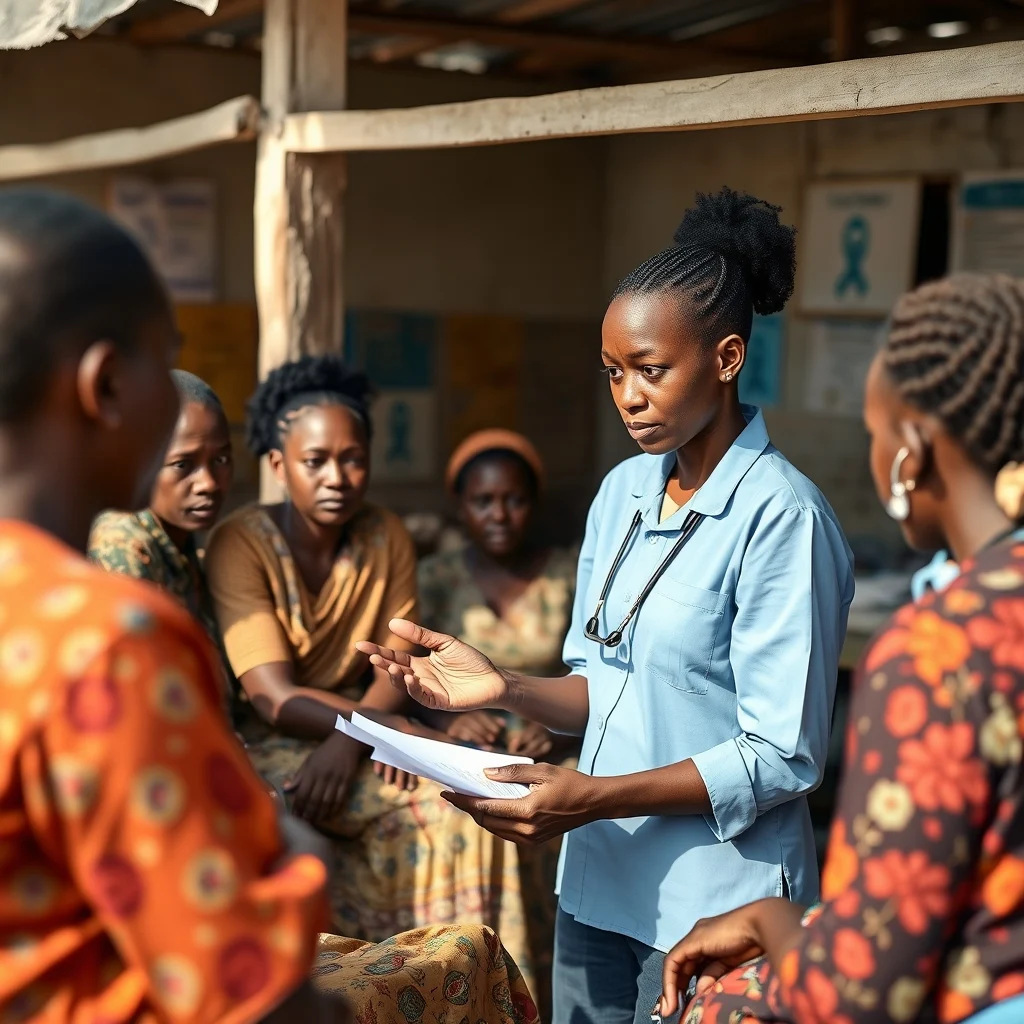
Kadjebi, Oti Region – Mark Ati, the Kadjebi District HIV Focal Person, has strongly encouraged residents to participate in voluntary HIV and AIDS testing to ascertain their status. This initiative is part of a broader, coordinated effort to combat the persistent global health challenge of HIV/AIDS, with the World Health Organization (WHO) and the Ghana Health Service (GHS) aiming for its elimination by 2030.
Context: The 95-95-95 Strategy
Mr. Ati highlighted the Ghana Health Service’s implementation of the ambitious 95-95-95 policy. This strategy is a critical framework designed to accelerate progress towards ending the HIV epidemic. It targets three key areas: ensuring 95 percent of the population know their HIV status, 95 percent of individuals living with HIV receive antiretroviral (ARV) treatment, and 95 percent of those on treatment achieve viral suppression. Viral suppression means the amount of HIV in the blood is so low that it cannot be detected and cannot be transmitted sexually.
HIV Screening and Sensitization Drive
The call for testing was made during a recent voluntary HIV/AIDS screening, testing, and sensitization program held within the Kadjebi district. Mr. Ati, who also serves as the District Public Health Nurse, emphasized the ongoing presence of HIV within the community. He stressed that a “concerted effort” is required from all to achieve the goal of elimination.
The program provided an opportunity for residents to receive confidential testing and gain valuable information about HIV prevention and management. Such outreach events are crucial for reaching individuals who may not otherwise seek testing due to stigma, lack of awareness, or limited access to health services.
Prevention Strategies Emphasized
Beyond testing, Mr. Ati reiterated fundamental prevention strategies to curb the spread of HIV. He advised residents to abstain from unprotected sex and to practice abstinence where possible. For married couples, he urged faithfulness as a key measure in preventing transmission within relationships.
These recommendations align with global public health guidelines that promote comprehensive sexual health education and risk reduction strategies. The focus on abstinence and faithfulness targets specific behavioral factors that contribute to the spread of the virus, particularly in communities where access to condoms or consistent condom use may be challenging.
Global and National Commitment to Elimination
The commitment from the WHO and GHS underscores the international and national resolve to make HIV/AIDS a thing of the past. The 2030 target for elimination is ambitious, requiring sustained political will, increased funding, and effective public health interventions. Voluntary testing is a cornerstone of this strategy, as it is the first step in identifying individuals who are living with HIV and can then be linked to care and treatment.
Early diagnosis through voluntary testing allows individuals to start ARV treatment promptly. This not only improves their health outcomes and life expectancy but also significantly reduces the risk of transmitting the virus to others, a key component of the 95-95-95 goal.
Implications for Kadjebi and Beyond
The intensified call for voluntary testing in Kadjebi signifies a proactive approach by local health authorities to tackle HIV within their jurisdiction. By making testing accessible and raising awareness, the district aims to increase the number of people who know their HIV status. This knowledge empowers individuals to make informed decisions about their sexual health and seek medical care if needed.
For residents of Kadjebi, participating in these screening programs offers a vital opportunity to protect their health and the health of their loved ones. It contributes to the larger goal of controlling the epidemic, reducing the burden of the disease on individuals and the healthcare system. The success of such local initiatives is crucial for achieving national and global HIV elimination targets.
Looking ahead, the focus will remain on sustained outreach, reducing stigma associated with HIV testing and living with HIV, and ensuring continuous access to treatment and care for those diagnosed. The effectiveness of the 95-95-95 strategy in Kadjebi will depend on community engagement and consistent support from health institutions.










Leave a Reply