
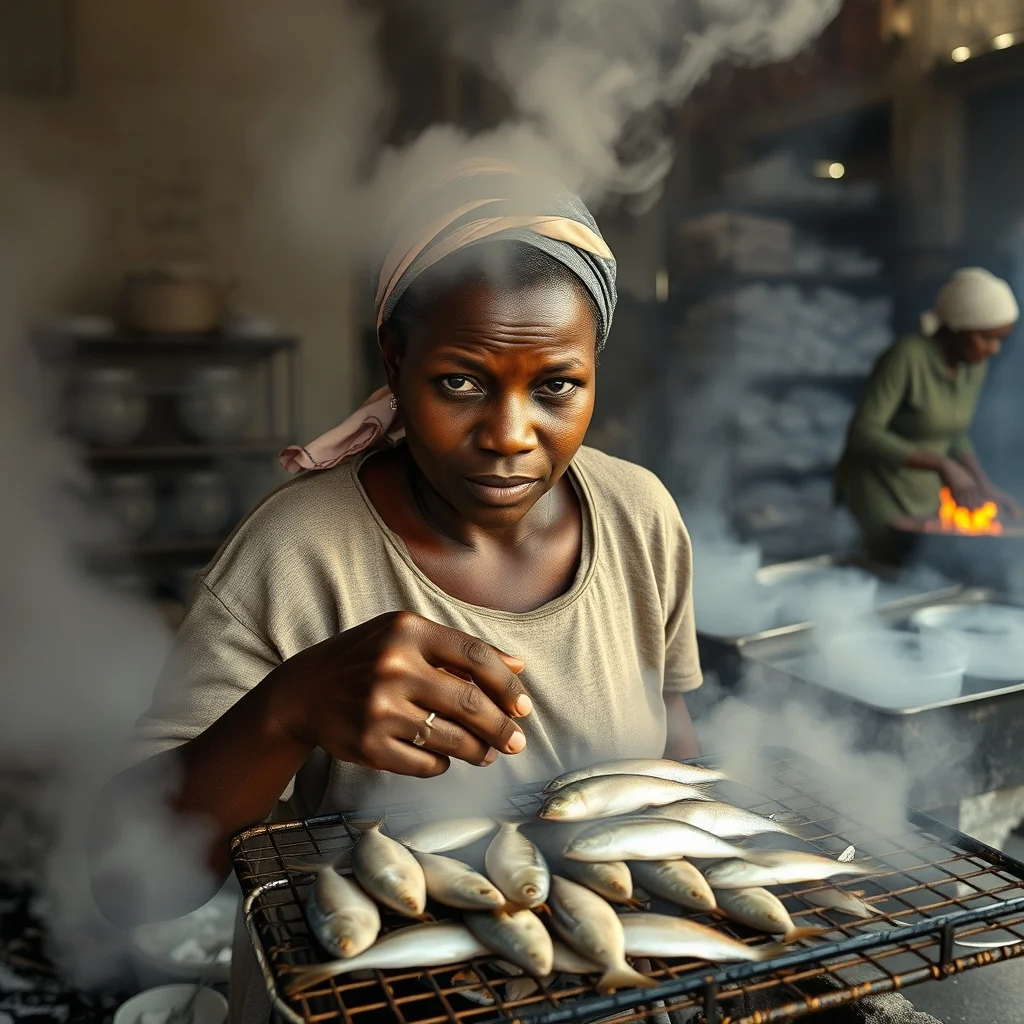
In the bustling fishmongering hub of Chorkor, Ghana, women like Doris Mensah, 27, are caught in a relentless cycle of smoke exposure, jeopardizing their health and livelihoods. This daily reality, born from traditional fish smoking methods passed down through generations, involves prolonged inhalation of fine particulate matter and toxic compounds, raising serious public health and environmental alarms.
Generational Livelihood Meets Health Crisis
For Doris Mensah, fish smoking is not just a job; it is a legacy, a trade inherited from her great-grandmother, grandmother, and mother. This generational business has been the sole means of sustenance for her family, enabling her to pursue education. However, the very process that sustains her is now a significant burden.
The pervasive smoke from the smoking ovens stings eyes, causes irritation, and leads to sleepless nights, a sentiment echoed by her grandmother, Mantee. Years of this exposure have taken their toll, with red, teary eyes becoming a common ailment that doctors attribute directly to the smoke.
The Invisible Dangers of Smoke Exposure
The smoke rising from Chorkor’s fish ovens is more than just an irritant; it contains fine particulate matter and toxic compounds from incomplete firewood combustion. Paediatrician Dr. Richard Bright Danyoh from Korle Bu Teaching Hospital warns that the daily exposure is equivalent to smoking two packs of cigarettes. This level of exposure is particularly concerning for children, whose faster breathing rates mean they inhale more of the harmful pollutants.
Dr. Danyoh emphasizes that the health implications extend beyond immediate symptoms like coughing and chest discomfort, labelling it a “health crisis.” He further cautions that for women of childbearing age, the smoke exposure may contribute to hidden health issues, including pregnancy complications and low birth weight babies, with the kitchen environment being a potential root cause.
Environmental Repercussions of Traditional Practices
Beyond the immediate health risks to the fishmongers, the reliance on firewood for smoking has broader environmental consequences. The industry’s continuous demand for firewood contributes to deforestation. Senior Lecturer in Human Geography at the University of Ghana, Prof. Ebenezer Forkuo Amankwaa, explains that the pollutants released do not stay localized.
These airborne pollutants affect the ozone layer, contributing to global warming. The subsequent melting of ice caps and glaciers can lead to extreme weather events, sea-level rise, and increased flooding, demonstrating how local practices can have global environmental impacts.
The Dilemma: Livelihood vs. Health and Environment
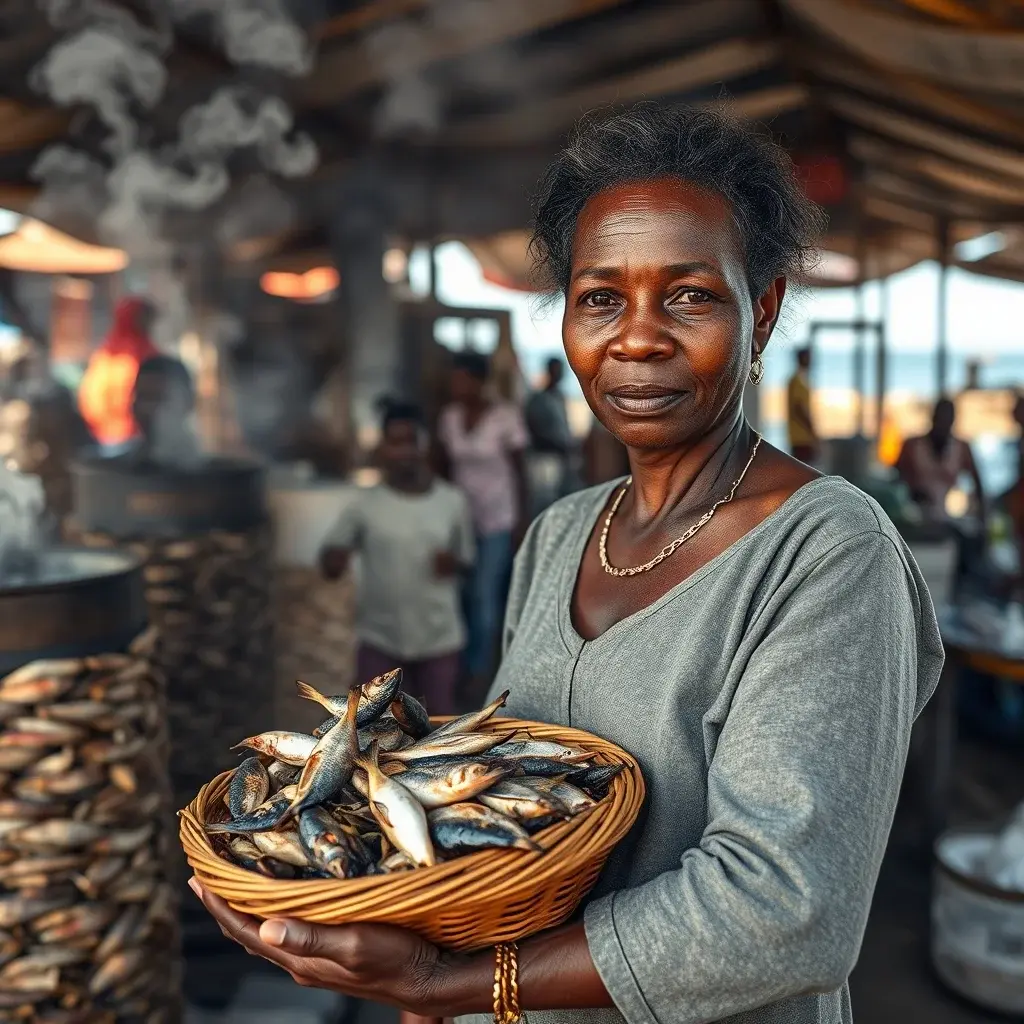
The fishmongers are not unaware of the health and environmental risks. However, their continued use of firewood is driven by economic necessity. Firewood imparts a specific reddish colour and taste to the fish that customers expect, making it crucial for sales. Alternative methods, like gas, have previously failed because they could not replicate the desired product quality.
Stella Abbey, another fishmonger, states that gas is unsuitable for drying the fish, a critical step in the process. For these women, whose daily income depends on selling their catch, maintaining the traditional taste and appearance is paramount.
Seeking Sustainable Alternatives
Experts like Prof. Amankwaa and Dr. Danyoh stress that any intervention must be practical and respect the fishmongers’ livelihood. Solutions must be affordable, accessible, and environmentally friendly, while crucially preserving the marketable qualities of the fish.
Prof. Amankwaa suggests that clean cooking stove technologies could offer a balance, preserving taste, flavour, and colour while reducing smoke exposure. Dr. Danyoh adds that further research is needed to develop systems that reduce costs, accommodate cultural preferences, and protect health.
The fishmongers themselves are open to change, provided the alternatives work as effectively as firewood. Mantee states, “If the government can provide an alternative that works like firewood, we are ready.” Doris Mensah echoes this, expressing willingness to adopt improved stoves if they meet market demands and protect their well-being.
The Path Forward: Technology Tailored to Livelihoods
The situation in Chorkor highlights a critical need for innovative solutions that do not force a choice between livelihood and health. The demand is for technology that supports traditional practices, safeguards the environment, and ensures the continued economic viability for generations of fishmongers.
The ongoing partnership between JoyNews, the Climate and Development Knowledge Network (CDKN), and the University of Ghana Centre for Climate Change and Sustainability Studies, with funding from CLARE R4I Opportunities Fund, aims to explore these critical issues. The focus remains on finding sustainable pathways that allow communities like Chorkor to thrive without compromising their health or the planet’s future.









Leave a Reply