
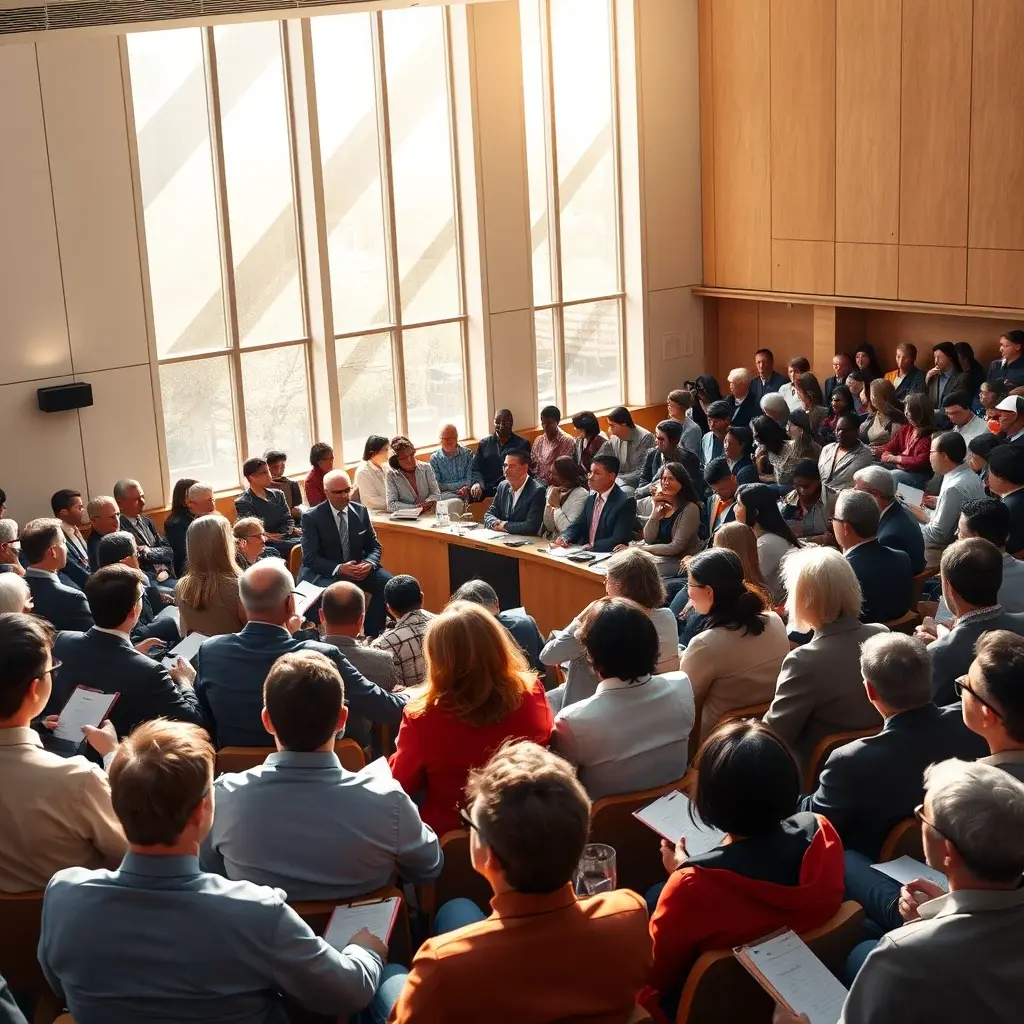
The University of Media, Arts and Communication (UniMAC) spearheaded a significant national conversation on media freedom in Ghana during the observance of World Press Freedom Day on April 4, 2026. The event, held at UniMAC’s North Dzorwulu Campus in Accra, focused on the theme “Shaping a future at peace, safeguarding Journalism Ghana.” The forum convened academics, practicing journalists, media executives, students, alumni, and representatives from UNESCO and the Media Foundation for West Africa (MFWA) to discuss the state and future of journalism in the country.
Context: Press Freedom in Ghana
Ghana has often been lauded as a beacon of press freedom within the African continent. This reputation is largely attributed to the robust constitutional protections that have been established and upheld over time. However, recent years have seen growing public discourse and scrutiny regarding the media’s role and the extent of its freedom.
Discussions at the event highlighted a growing public questioning of the media’s relevance and the freedoms it enjoys. These sentiments have sometimes been expressed with considerable public anger across various societal segments.
Challenges Facing Journalism
Despite the generally positive standing of press freedom, the event shed light on persistent challenges. Professor Kwame Karikari, former Executive Director of the Media Foundation for West Africa, pointed to the troubling instances of journalist assaults. He noted a disturbing societal reaction where perpetrators of such violence sometimes receive public applause.
Professor Karikari further elaborated on the perception of the media among some societal elites. He stated that a common view among these groups is that journalists primarily engage in personal insults, undermining their professional standing and societal contribution.
He emphasized that press freedom is not an end in itself for the media. Instead, it serves crucial instrumental purposes for society. The freedom accorded to the press is meant to facilitate broader societal objectives.
Commitment to Upholding Standards
The Ghana Commission for UNESCO, represented by its Secretary-General Dr. Osman Tahidu Damba, reaffirmed its dedication to promoting press freedom. Dr. Damba pledged continued collaboration with stakeholders to champion freedom of expression, journalist safety, and access to information.
“The Ghana Commission for UNESCO reaffirms our commitment to collaborating with partners in upholding freedom of expression, Journalist safety, and access to information, pursuant to UNESCO’s mandate and our collective aspirations for democratic governance and enduring peace,” Dr. Damba stated. He commended UniMAC and its partners for organizing the forum.
UniMAC’s Role and Vision
Professor Eric Opoku Mensah, Vice Chancellor of UniMAC, stressed that achieving development in a polarized environment is challenging. He stated that the event’s theme serves as a critical reminder.
“It reminds us that the future we aspire to, one anchored in peace, justice and development, cannot be achieved without a free, responsible and protected press,” Professor Mensah articulated. He acknowledged the growing difficulties faced by the journalism profession, including misinformation, economic strains, and direct threats to safety and freedom.
UniMAC, through its leadership, reiterated its commitment to academic freedom and freedom of expression, principles intrinsically linked to press freedom. Professor G. Etse Sikanku, Dean of UniMAC’s School of Journalism and Media Studies (SOJAMS), highlighted the university’s mandate to lead national discourse on journalism.
“UniMAC is committed to leading national conversations on journalism and media practice to contribute to the growth of the industry,” Professor Sikanku affirmed. He added that the public lecture and dialogue are key initiatives by SOJAMS to shape the future of the industry and media development.
Implications and Future Outlook
UniMAC’s proactive engagement positions the university as a central player in national efforts to deepen the understanding and practice of press freedom. This initiative reinforces its role as a hub for media advancement and critical intellectual exchange.
The event concluded with a unified call for enhanced collaboration among all stakeholders. The aim is to collectively safeguard the principles of free expression and accountability within Ghana’s media landscape. Moving forward, increased attention is expected on how these collaborative efforts translate into tangible improvements in journalist safety and the overall health of the media ecosystem in Ghana.




Leave a Reply