
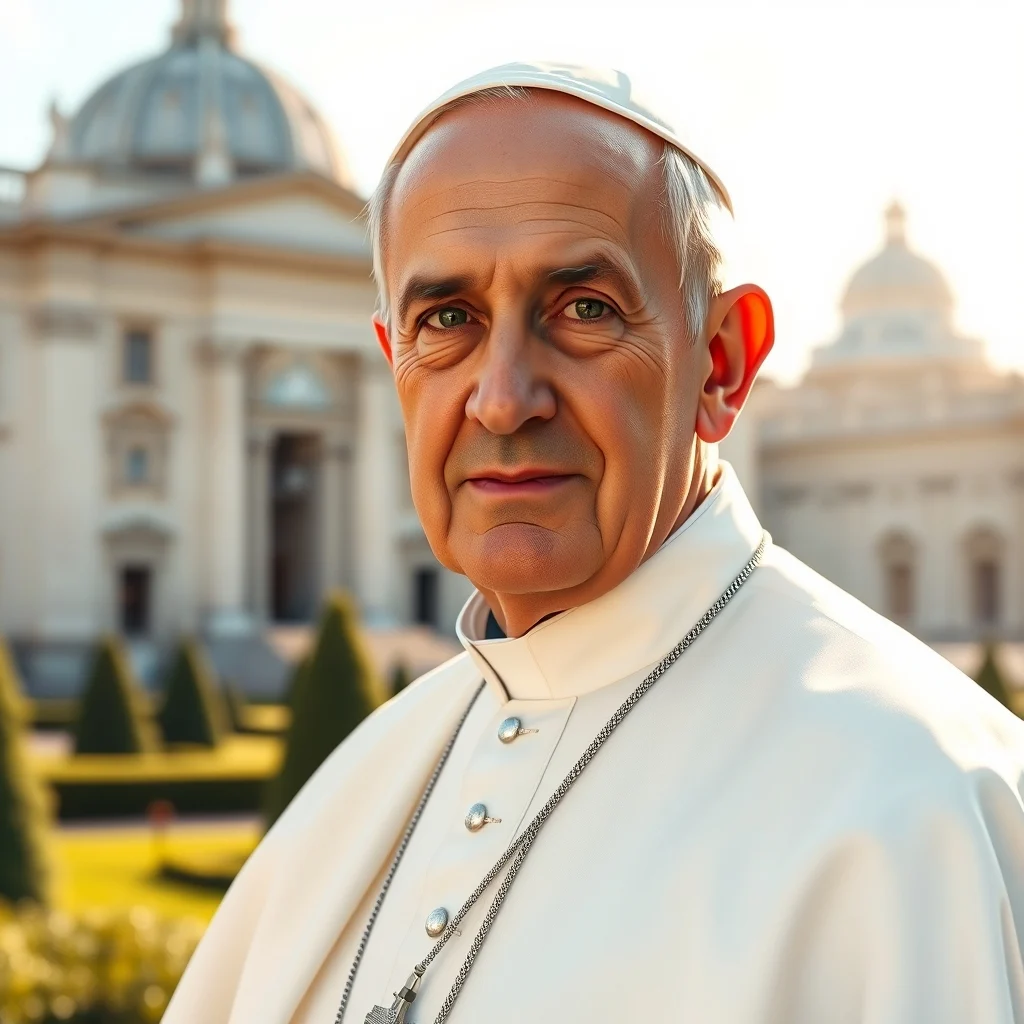
Pope Leo has publicly addressed recent sharp criticisms from US President Donald Trump, stating his unwavering commitment to preaching the Gospel and promoting peace, while acknowledging the freedom of any individual to voice their opinions. The exchange comes as Secretary of State Marco Rubio prepares for a visit to the Vatican this week, aimed at strengthening bilateral relations and discussing Middle Eastern affairs.
Context of the Disagreement
The friction stems from Pope Leo’s opposition to the war in the Middle East, a stance that has drawn repeated lashings from President Trump. Trump recently claimed, in remarks to conservative radio host Hugh Hewitt, that the Pope was “endangering a lot of Catholics and a lot of people” by allegedly believing it was acceptable for Iran to possess nuclear weapons. Official Vatican statements and papal pronouncements do not support this assertion; Pope Leo has consistently advocated for peace and de-escalation.
This diplomatic tension is underscored by the scheduled two-day visit of US Secretary of State Marco Rubio to Italy and the Vatican. The State Department indicated that Rubio’s agenda includes advancing bilateral relations and discussing regional stability, particularly in the Middle East and the Western Hemisphere. However, Rubio, speaking ahead of his trip, downplayed suggestions that the visit was primarily to mend fences between the President and the pontiff, characterizing it as a pre-planned engagement with significant matters to discuss.
Pope’s Stance on Peace
In response to the escalating rhetoric, Pope Leo reiterated his core mission. “The mission of the Church is to preach the Gospel, to preach peace,” he stated, as reported by Reuters. He expressed hope that his message would be heard for its inherent value, regardless of criticism. This reaffirmation comes after previous statements from the pontiff, where he declared, “As a pastor, I cannot be in favour of war.” He has consistently encouraged efforts towards solutions rooted in a “culture of peace and not from a place of hate and division.”
Trump’s Reactions and Retorts
President Trump’s responses have been notably strong. He has publicly labeled Pope Leo as “WEAK on crime” and “terrible for Foreign Policy.” In a social media post, Trump suggested that the Pope’s appointment was a strategic move by the Church to counter his presidency, controversially stating, “If I wasn’t in the White House, Leo wouldn’t be in the Vatican.” Adding to the unusual nature of the exchange, Trump later posted and then removed an image depicting himself in a Jesus-like pose, which he later described as being mistaken for an image of himself as a doctor.
Official Statements and Diplomatic Efforts
Despite the public disagreements, US Ambassador to the Holy See, Brian Burch, has attempted to temper concerns about a significant rift. Burch told reporters that while nations may have disagreements, they can be resolved through “fraternity and authentic dialogue.” He expressed that Rubio’s upcoming meetings could provide an opportunity to “talk through” any differences, suggesting that the relationship remains robust.
The diplomatic currents also involve other international figures. Italian Prime Minister Giorgia Meloni, who has previously aligned with Trump, also faced questions regarding her stance. Meloni, who has also voiced criticism of the war in the Middle East and defended the Pope, indicated she expected to meet with Secretary Rubio during his visit.
Broader Implications
The public spat highlights a significant ideological divergence on foreign policy and conflict resolution between the US administration and the Vatican. Pope Leo, as the first US-born pontiff, represents a unique intersection of American identity and global spiritual leadership. His consistent calls for peace and humanitarian concern in conflict zones often place him at odds with more interventionist foreign policy approaches.
Vice President J.D. Vance, a Catholic convert, has also weighed in, suggesting that the Vatican should “stick to matters of morality.” This statement further emphasizes the differing perspectives on the role of religious leadership in international affairs and the interpretation of moral imperatives in geopolitical contexts.
Looking Ahead
As Secretary Rubio embarks on his Vatican visit, observers will be watching closely to see if his discussions can bridge the gap in perspectives between the Trump administration and the Holy See. The ongoing conflict in the Middle East and the broader geopolitical landscape will undoubtedly remain central themes. The world will also be observing how Pope Leo continues to navigate these diplomatic challenges, balancing his spiritual mission with the realities of international relations, and whether his consistent message of peace can influence global dialogue amidst heightened tensions.










Leave a Reply