
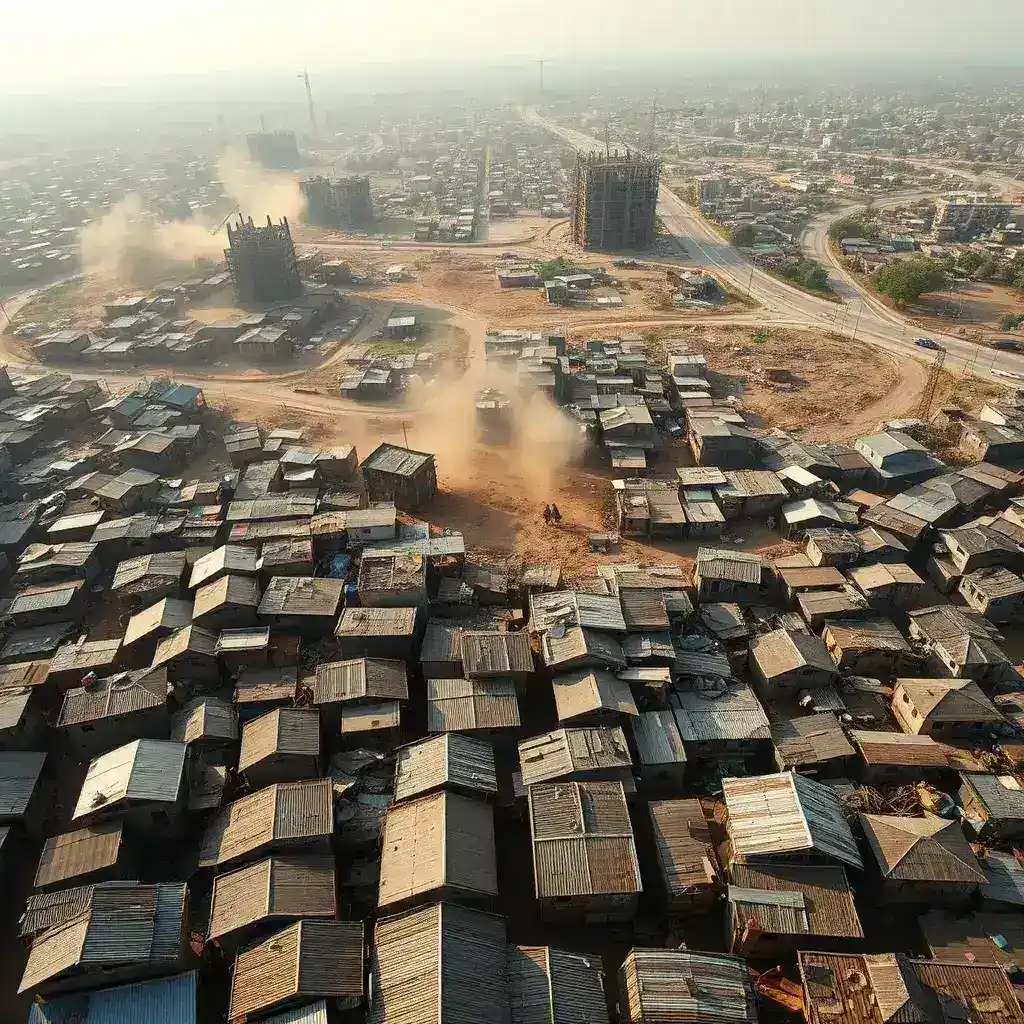
Accra, Ghana – May 6, 2024 – Dr. David Ofosu-Dorte, Senior Partner at AB & David Law Africa, criticized Ghana’s urban development model on Wednesday, May 6, arguing that infrastructure delivery, particularly utilities like water and electricity, consistently trails behind settlement patterns instead of guiding them. This reactive approach, discussed at the JoyNews and Amalgam of Professional Bodies Speaker Series, exacerbates poorly serviced communities and widens infrastructure deficits, hindering sustainable economic growth.
The Flaw in the Development Model
The core issue, as highlighted by Dr. Ofosu-Dorte, lies in the inversion of the development planning process. Traditionally, robust urban planning dictates where and how development should occur, with essential services like water, electricity, and roads strategically provided beforehand. However, Ghana’s system often sees housing and commercial developments spring up first, followed by a scramble to provide the necessary utilities.
This “chasing development” model creates significant inefficiencies. Developers and residents in newly formed settlements often face prolonged periods without adequate access to basic services. This not only diminishes the quality of life but also increases the long-term cost of infrastructure provision due to retrofitting and the challenges of navigating established, unplanned structures.
Existing Frameworks, Poor Implementation
Ghana possesses planning frameworks, including national and district spatial plans, designed to guide urban growth and infrastructure development. Despite their existence, Dr. Ofosu-Dorte pointed out that these crucial tools suffer from poor implementation. A lack of political will, inadequate enforcement mechanisms, and insufficient resources are often cited as barriers to effective spatial planning.
The consequence of this disconnect is a growing infrastructure deficit that strains national resources and impedes the realization of Ghana’s economic potential. Cities are expanding rapidly, driven by population growth and rural-urban migration, but the infrastructure to support this growth is not keeping pace.
Expert Perspectives and Data
Speaking at the “Centres of Prosperity @ the Centre of the World: How we can manage our cities better to stimulate economic growth” series, Dr. Ofosu-Dorte emphasized the economic implications. “The absence of properly serviced land before construction has created inefficiencies in housing and urban growth,” he stated. This inefficiency translates into higher construction costs, delayed project completion, and reduced investor confidence.
While specific data on the exact scale of the infrastructure deficit was not detailed in the address, the sentiment reflects a widely acknowledged challenge in many rapidly urbanizing developing nations. Reports from international development organizations often highlight the critical need for integrated urban planning that links land use with infrastructure investment to foster inclusive and sustainable growth.
Implications for Urban Development
The current trajectory poses significant challenges for Ghana’s urban centers. Without a fundamental shift towards proactive planning, cities risk becoming increasingly congested, poorly serviced, and economically suboptimal. This can lead to a decline in living standards, increased health risks due to inadequate sanitation and water, and a drag on economic productivity.
For citizens, this means enduring substandard living conditions and higher costs associated with accessing basic amenities. For businesses, it translates to operational challenges and a less attractive investment climate. The long-term economic prosperity envisioned by the “Centres of Prosperity” theme remains elusive if the foundational elements of urban management and infrastructure are not addressed.
Looking Ahead
The critical question moving forward is whether Ghana can pivot from its reactive infrastructure model to a proactive, planning-led approach. This will require strengthening planning institutions, ensuring robust enforcement of spatial plans, and fostering greater coordination between various government agencies responsible for land use and infrastructure development. The success of Ghana’s urban centers in stimulating economic growth hinges on its ability to effectively manage its spatial development and prioritize infrastructure as a precursor, not a follower, of growth.










Leave a Reply