
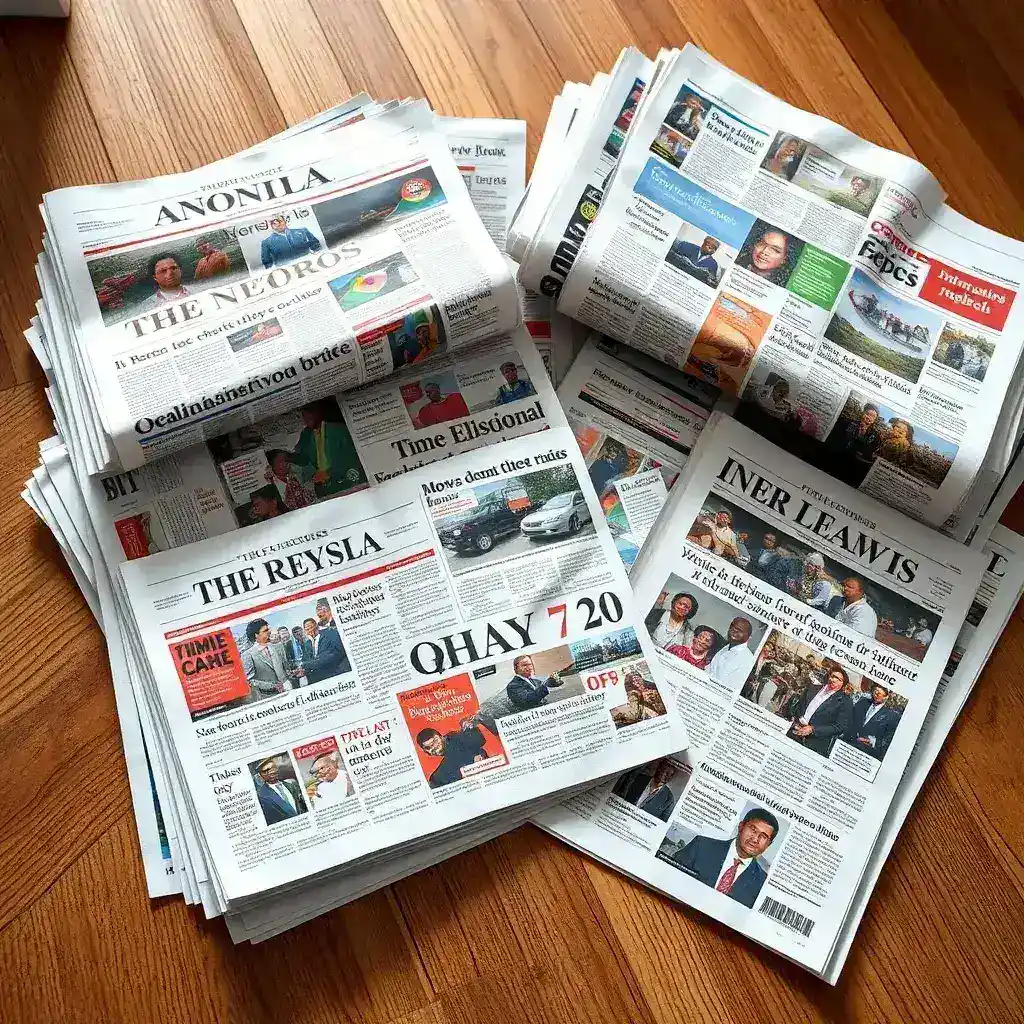
Accra, Ghana – May 7, 2026 – Front pages of Ghanaian newspapers today, May 7, 2026, reveal a media landscape deeply engaged with critical national issues, offering citizens a comprehensive overview of the country’s current affairs and governmental activities. Publications across the nation are highlighting diverse topics, from economic policies and social development initiatives to political discourse and international relations, underscoring the media’s role in informing the public and shaping national conversations.
Media’s Role in National Discourse
The daily dissemination of news through various print and digital platforms serves as a cornerstone of Ghana’s democratic process. Newspapers act as vital conduits, translating complex governmental actions and societal trends into accessible information for the general populace.
Today’s front pages, as compiled by Myjoyonline.com, showcase the breadth of journalistic coverage. This includes in-depth analyses of government policies, reports on ongoing development projects, and commentary on pertinent social issues that affect the daily lives of Ghanaians.
Key Themes Emerging from Front Pages
While specific headlines vary, consistent themes emerge, reflecting the nation’s priorities and challenges. Economic indicators, such as inflation rates, employment figures, and trade balances, frequently occupy prominent positions, signaling public and media concern over financial stability and growth.
Social issues, including healthcare access, educational reforms, and public safety, also feature prominently. These stories often highlight community efforts, government interventions, and the impact of policies on ordinary citizens.
Political developments, including parliamentary debates, ministerial pronouncements, and regional political dynamics, are consistently covered. The media provides a platform for examining governance, accountability, and the broader political climate.
Expert Perspectives and Data Integration
Reputable news outlets typically integrate expert opinions and data to substantiate their reporting. Economists, policy analysts, and social scientists are often quoted, providing context and deeper understanding of the issues at hand.
Statistical data from government agencies and independent research bodies are frequently used to support claims regarding economic performance, social welfare, and public opinion. This commitment to evidence-based reporting enhances the credibility and impact of journalistic work.
Implications for the Public and Policymakers
The comprehensive reporting found on front pages empowers citizens with the knowledge needed to engage in informed discussions and make sound decisions. It fosters a sense of civic awareness and encourages participation in democratic processes.
For policymakers, the media’s focus serves as an indicator of public sentiment and national priorities. It can influence policy formulation and implementation by highlighting areas requiring attention or reform.
Looking Ahead: Evolving Media Landscape
The Ghanaian media continues to adapt to evolving technological landscapes and reader preferences. The emphasis on digital platforms alongside traditional print ensures wider reach and more dynamic content delivery.
Future reporting will likely delve deeper into sustainable development goals, technological advancements impacting various sectors, and Ghana’s role in the evolving global political and economic order. The media’s ability to critically examine these trends will remain crucial for national progress.








Leave a Reply