
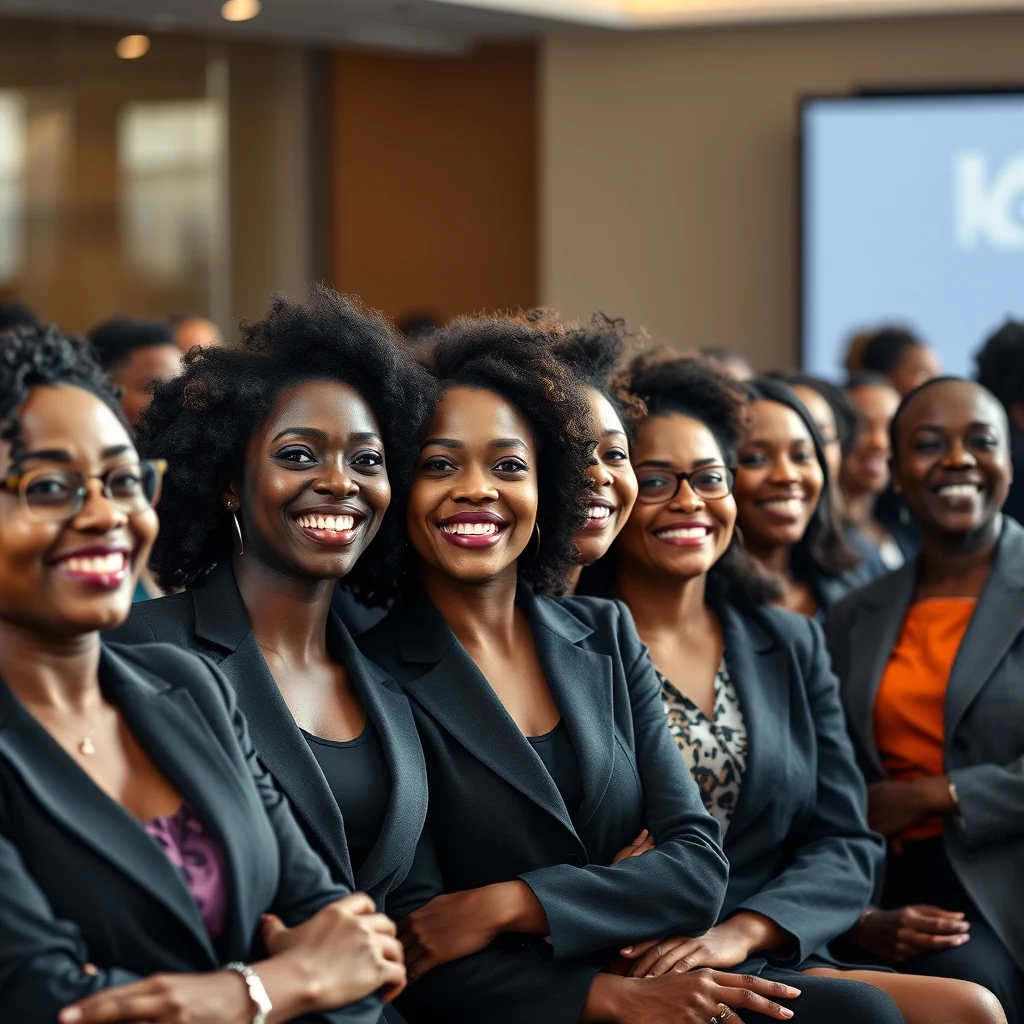
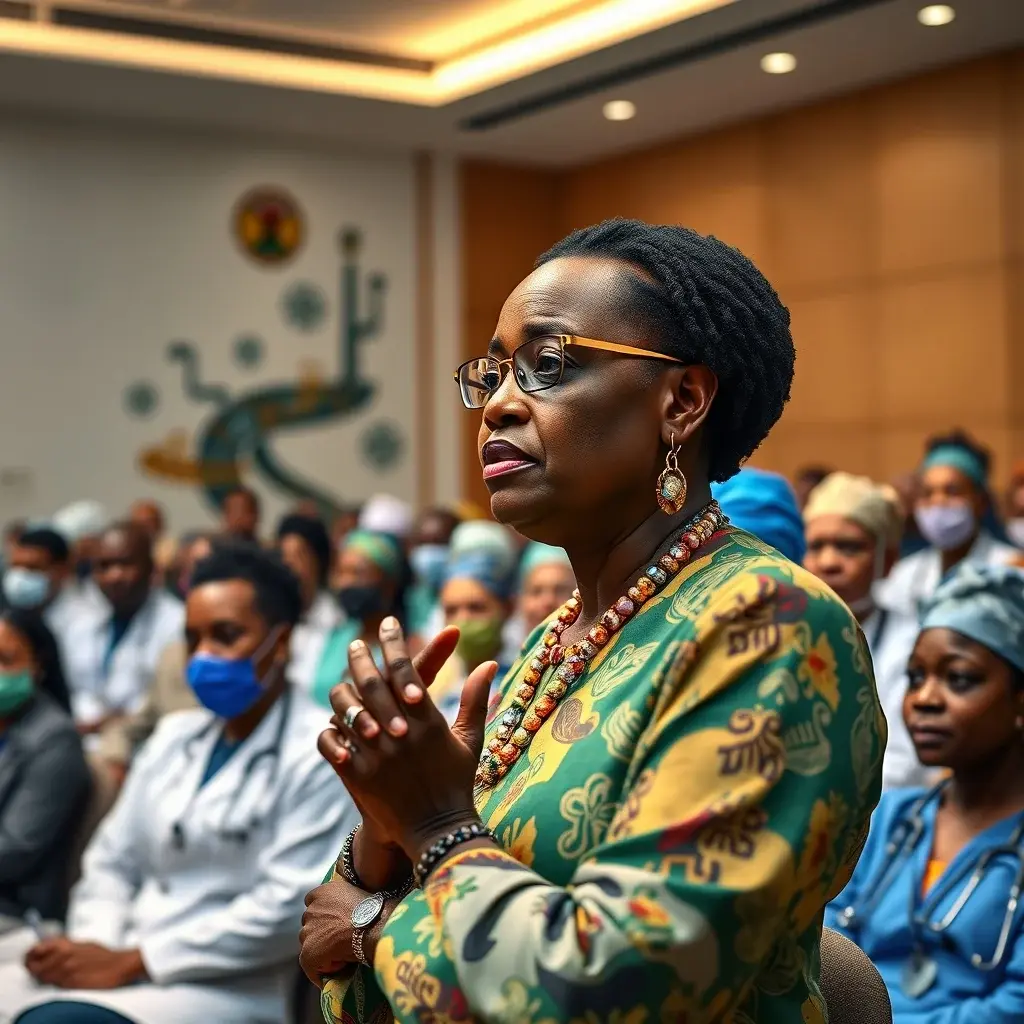
Accra, Ghana – May 7, 2026 – Ghana’s Minister for Trade, Agribusiness, and Industry, Elizabeth Ofosu-Adjare, declared women an “underutilised engine of national growth” at the 2026 Ghana Female CEOs Summit held at the Kempinski Hotel Gold Coast City. She emphasized that the nation cannot achieve its economic ambitions without fully engaging its female population.
Context: A Call for Economic Prioritization
Minister Ofosu-Adjare’s remarks underscore a growing recognition that women’s economic empowerment is not merely a social issue but a critical driver of national development. Historically, women in many economies have faced systemic barriers to full participation, impacting overall economic output.
Empowering the Majority
Addressing a room of accomplished female leaders, the Minister acknowledged the unique challenges women navigate in leadership roles. She lauded their resilience and significant contributions to Ghana’s economy, stating, “I stand before you today wearing several identities all at once, Member of Parliament, Minister of Trade, Agribusiness and Industry, and a woman who has navigated the full weight of leadership in rooms that were not always designed with us in mind.”
The Minister highlighted the inherent strength and capability of women in business. “You have built businesses, created employment, navigated economic headwinds, and refused to be the footnote in Ghana’s growth story,” she affirmed, praising the female CEOs for demonstrating that “assets and ambition when combined produce extraordinary results.”
With women constituting approximately 51 percent of Ghana’s population, Ofosu-Adjare stressed the impossibility of achieving national economic goals while a significant portion of the populace remains underutilized. “We are the majority and under-activated engine of national growth,” she declared.
Economic Potential and Global Data
The economic case for empowering women is bolstered by significant international data. The International Finance Corporation (IFC) estimates that closing the gender financing gap for small and medium-sized enterprises (SMEs) in Sub-Saharan Africa could unlock $42 billion in annual economic value.
Furthermore, the McKinsey Global Institute projects that advancing women’s equality across Africa could boost the continent’s Gross Domestic Product (GDP) by $316 billion. These figures underscore the immense untapped economic potential.
Beyond Business: Societal Impact
The Minister also pointed to the critical role women play in vital sectors like agriculture and food production. She argued that economically empowering women is the “single fastest route” to fostering household prosperity and enhancing national resilience.
A key factor in this is women’s tendency to reinvest a larger portion of their income back into their families and communities, creating a ripple effect of positive social and economic outcomes.
Government Initiatives and Future Outlook
To translate this recognition into action, the government is implementing supportive measures. A significant initiative is the forthcoming establishment of the Ghana Women’s Development Bank. The Minister described it as “the most targeted financial intervention for women in this country’s history.”
Ofosu-Adjare urged stakeholders to move beyond discussions and commit to measurable actions, framing women’s economic participation as a “national competitiveness strategy.” She stated, “Countries that unlock the full productive potential of their women grow faster, prove more resilient to economic shocks, and build more equitable societies.”
The government remains committed to fostering an inclusive and competitive economy. “Let us build productive industries. Let us expand trade that is inclusive. And let us create an economy that is resilient, competitive, and worthy of the women who are leading it,” the Minister concluded, signaling a clear direction for Ghana’s economic future.




Leave a Reply