
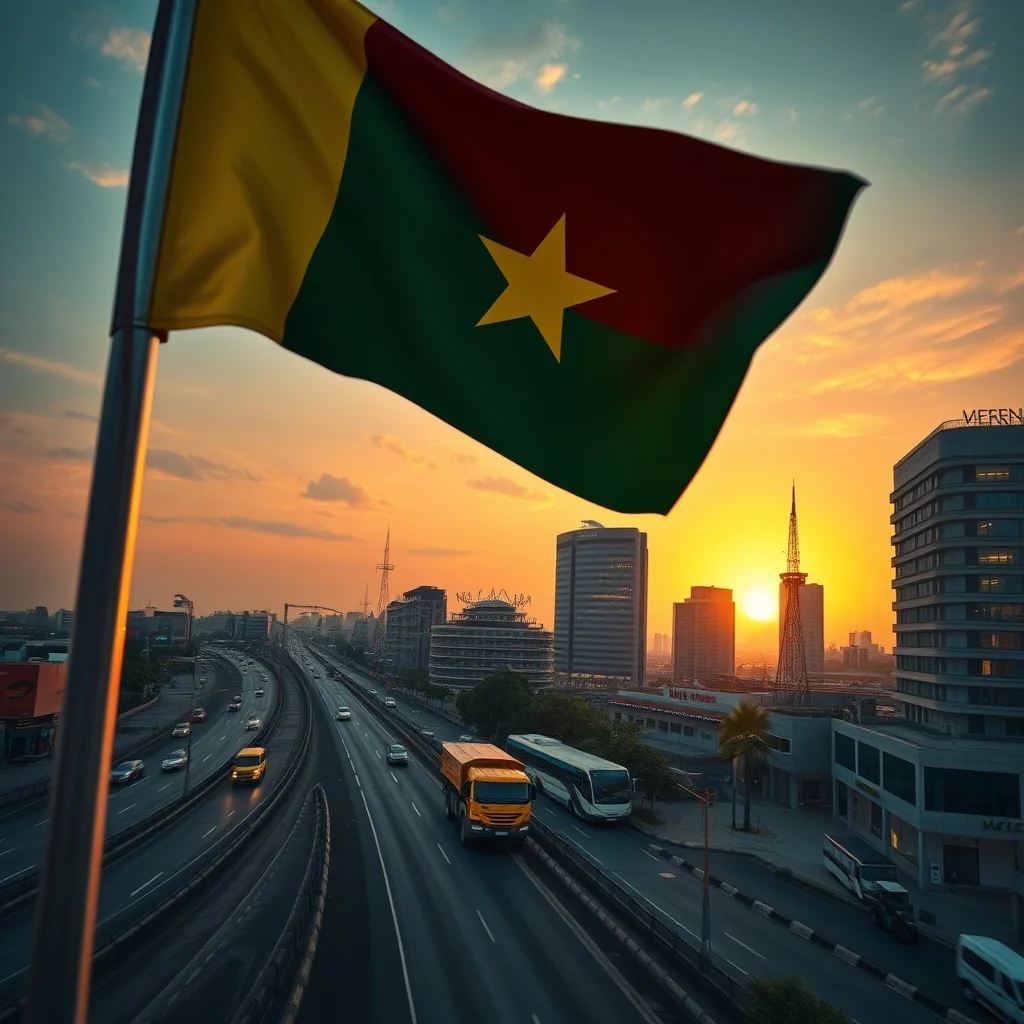
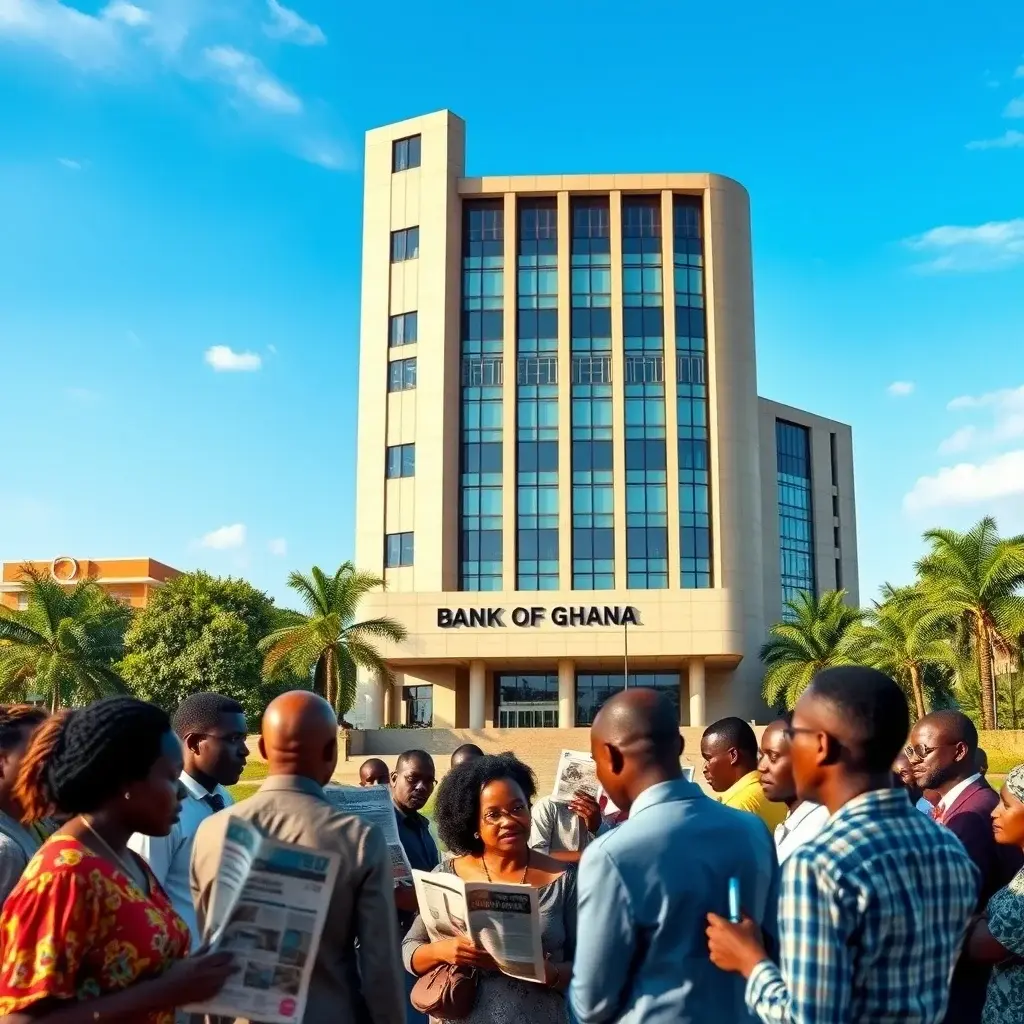
Ghana has emerged as the 8th largest economy in Africa, boasting a Gross Domestic Product (GDP) of approximately $114.71 billion. This significant achievement represents a 3.2% increase from its 2025 GDP of $108.1 billion, a rise that propelled the nation from the 10th to the 8th position on the continent’s economic rankings.
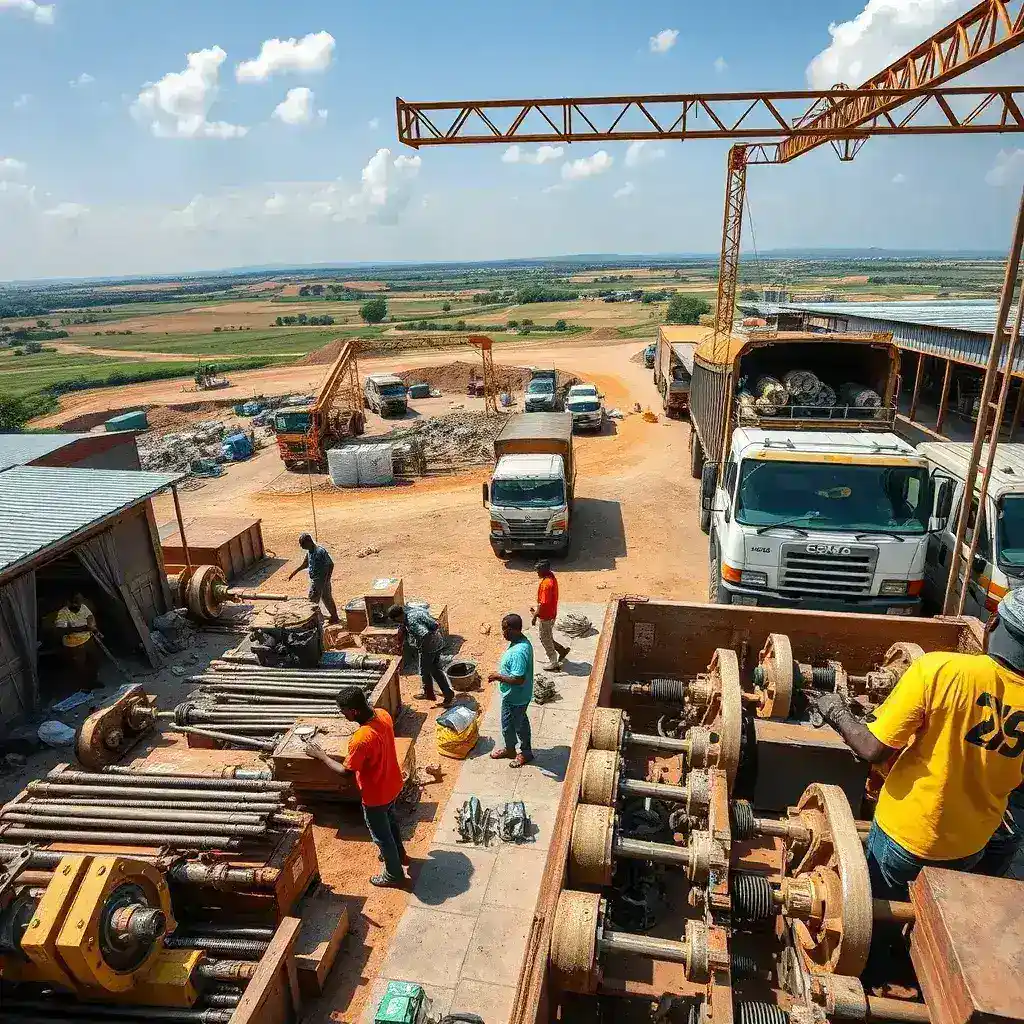
The economic upswing is primarily fueled by robust performance in the mining sector, bolstered by high gold prices. Additionally, the Information, Communication and Technology (ICT) and financial services sectors have demonstrated considerable growth, contributing to Ghana’s enhanced economic standing.
Economic Trajectory and Resilience
Ghana’s economic performance over recent periods showcases a steady growth trajectory. This progress has been maintained despite persistent challenges related to public debt management and external economic vulnerabilities.
The nation’s current economic position underscores its resilience. It highlights Ghana’s ability to leverage its rich natural resource wealth while simultaneously expanding its services and industrial sectors.
This diversified approach has helped maintain one of the continent’s most stable macroeconomic frameworks, according to multilateral economic data analyses.
Diversified Economic Composition
Ghana’s economy exhibits a notable degree of diversification when compared to many of its West African peers. While traditional exports like gold and cocoa remain crucial to its economy, the oil and gas sector has become an increasingly important contributor.
This growing contribution to both GDP and fiscal revenue helps stabilize earnings, providing a buffer against the inherent volatility of global commodity prices.
Continental Economic Landscape
South Africa continues to lead the African economic landscape, retaining its position as the continent’s largest economy with a GDP of $479.96 billion. This represents an impressive 11% expansion from its previous year’s GDP of $427.1 billion.
South Africa’s economic dominance is attributed to its highly developed financial sector, deep capital markets, and advanced industrial base spanning mining and manufacturing.
Egypt and Nigeria follow, securing the 2nd and 3rd positions respectively. Egypt’s economy reached $429.65 billion in 2026, marking a substantial 17.84% increase from $314.6 billion.
Egypt’s growth has been propelled by large-scale infrastructure projects and a diversified economic portfolio including tourism, construction, and energy.
Nigeria’s GDP saw a significant rise of 30%, reaching $377.7 billion in 2026. This rebound in West Africa’s largest economy is largely a reflection of currency adjustments.
Comparative Economic Rankings
The latest economic data places Ghana at the 8th position with a GDP of $118.29 billion. This ranks it ahead of the Democratic Republic of Congo ($113.41 billion) and Ethiopia ($109.3 billion), which are positioned 9th and 10th respectively.
The top economies in Africa for 2026 are listed as follows: South Africa ($479.96 billion, 1st), Egypt ($429.65 billion, 2nd), Nigeria ($377.37 billion, 3rd), Algeria ($317.24 billion, 4th), Morocco ($194.33 billion, 5th), Angola ($152.4 billion, 6th), and Kenya ($146.26 billion, 7th).
Future Outlook and Implications
Ghana’s sustained economic growth and improved ranking signal positive momentum for the nation and the broader West African region. The continued strength in key sectors, particularly mining and ICT, suggests a promising future.
Investors and international partners will likely view Ghana’s economic stability and growth potential with increased interest. The nation’s ability to navigate debt challenges while fostering sectoral expansion will be crucial for its continued ascent.
Moving forward, attention will be on Ghana’s capacity to further diversify its economy, enhance its industrial base, and manage its public finances effectively. These factors will be key determinants in its quest to climb further up the continental economic ladder and attract sustained investment.








Leave a Reply