
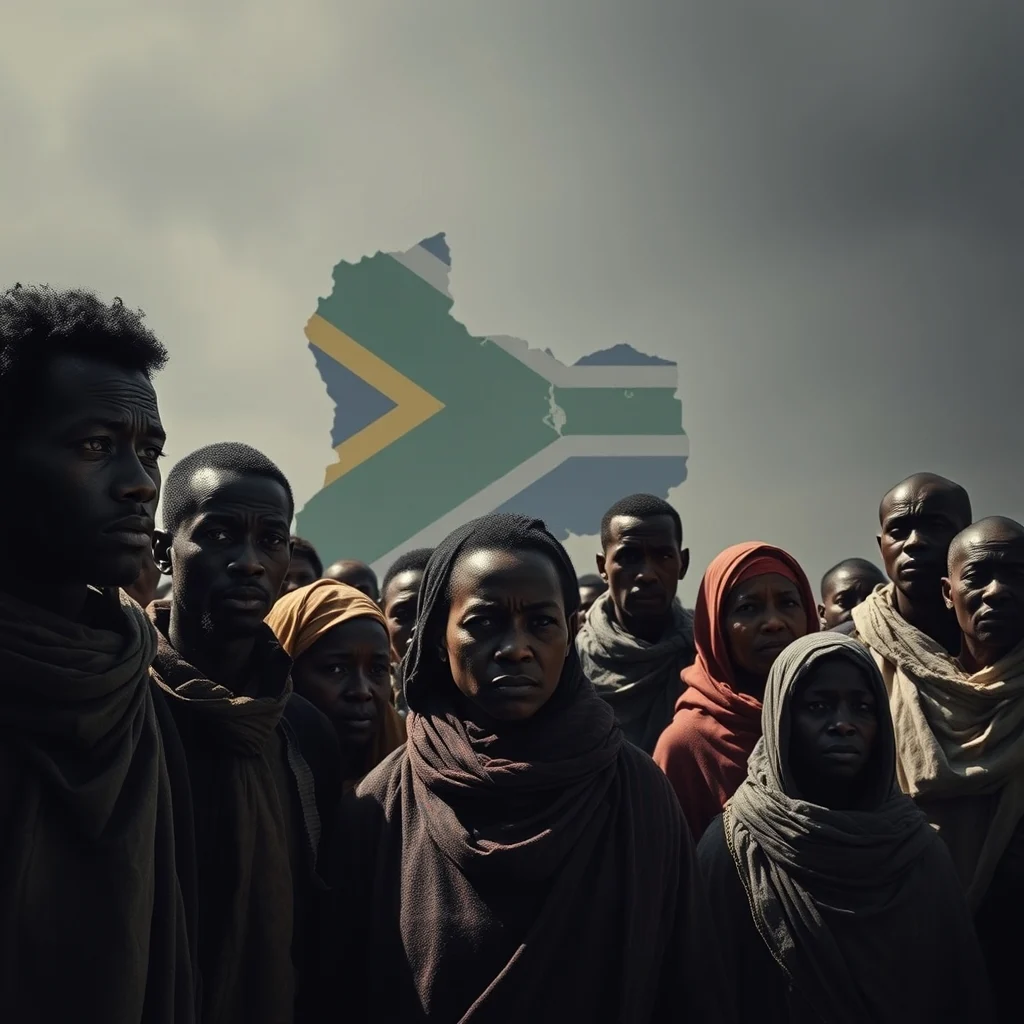
Recurring xenophobic attacks against African migrants in South Africa, witnessed in recent weeks, represent a direct assault on the ideals of Pan-Africanism and the vision of an integrated Africa. These incidents have sparked painful questions across the continent about the future of African unity, particularly given South Africa’s historical reliance on the solidarity of African nations during its liberation struggle.
Continental Concerns and Diplomatic Interventions
The gravity of the situation has prompted significant diplomatic action, with Ghana formally petitioning the African Union (AU) to place xenophobic attacks on the agenda of its upcoming Mid-Year Coordination Meeting. Ghana’s petition highlighted that these attacks undermine African solidarity, violate the African Charter on Human and Peoples’ Rights, and contradict the aspirations of the African Continental Free Trade Area Agreement (AfCFTA).
Nigeria’s Senate has also demanded accountability for the reported deaths and mistreatment of Nigerian nationals in South Africa. Lawmakers condemned the intimidation and profiling, calling for diplomatic engagement and justice for victims.
A Persistent and Cyclical Crisis
These reactions underscore a growing continental frustration with a crisis that has persisted for years. Xenophobic violence in South Africa is often cyclical, fueled by economic hardship, unemployment, political rhetoric, and migration pressures. However, the consequences reverberate far beyond South Africa’s borders.
Undermining Africa’s Integration Project
At stake is the credibility of Africa’s integration project, embodied by the AU’s Agenda 2063 and the AfCFTA. These initiatives aim for an integrated, prosperous, and peaceful Africa by removing barriers to trade and mobility. However, integration cannot thrive in an environment where fear and hostility define the experience of African migrants.
Economic integration necessitates social trust, and continental unity depends on mutual protection. The contradiction is stark: Africans cannot champion free trade while tolerating violence against fellow Africans based on perceived foreignness.
Betrayal of Historical Solidarity
The irony is amplified when considering the crucial role African countries played during apartheid. Nations like Nigeria, Ghana, Zambia, and Tanzania provided substantial support to South Africa’s liberation. This historical solidarity fostered a sense of collective African mission, leading many to feel betrayed by the ongoing anti-African violence within post-apartheid South Africa.
Condemnation and the Need for Action
It is important to note that xenophobia does not represent all South Africans; many have condemned the attacks and defended migrants. The South African government has pledged crackdowns and acknowledged the threat to constitutional democracy. However, condemnation alone is insufficient.
The African Union must establish a continental framework to address xenophobia, protect migrants, and ensure accountability. African governments need to bolster diplomatic mechanisms for citizen protection abroad and address the underlying economic and governance failures that drive migration pressures.
Political leadership across the continent must resist scapegoating migrants for structural economic problems. Issues like unemployment, inequality, and corruption require credible economic solutions rather than the targeting of vulnerable populations.
Erosion of Pan-African Consciousness and Future Implications
Social media discussions reveal growing resentment and polarization, reflecting deeper frustrations about inequality and governance across Africa. These debates highlight a dangerous erosion of Pan-African consciousness, where Africans begin to see each other as enemies rather than partners.
If this trend continues, the dream of continental unity risks becoming mere rhetoric. Xenophobia weakens Africa diplomatically, economically, and morally. It jeopardizes the AfCFTA, deters investment, threatens regional cooperation, and damages the continent’s global image.
As Africa Day approaches, the challenge extends beyond South Africa. It is a critical test of whether Pan-Africanism remains a living ideal or fades into historical memory. The outcome will profoundly shape the future of African integration for generations.









Leave a Reply