
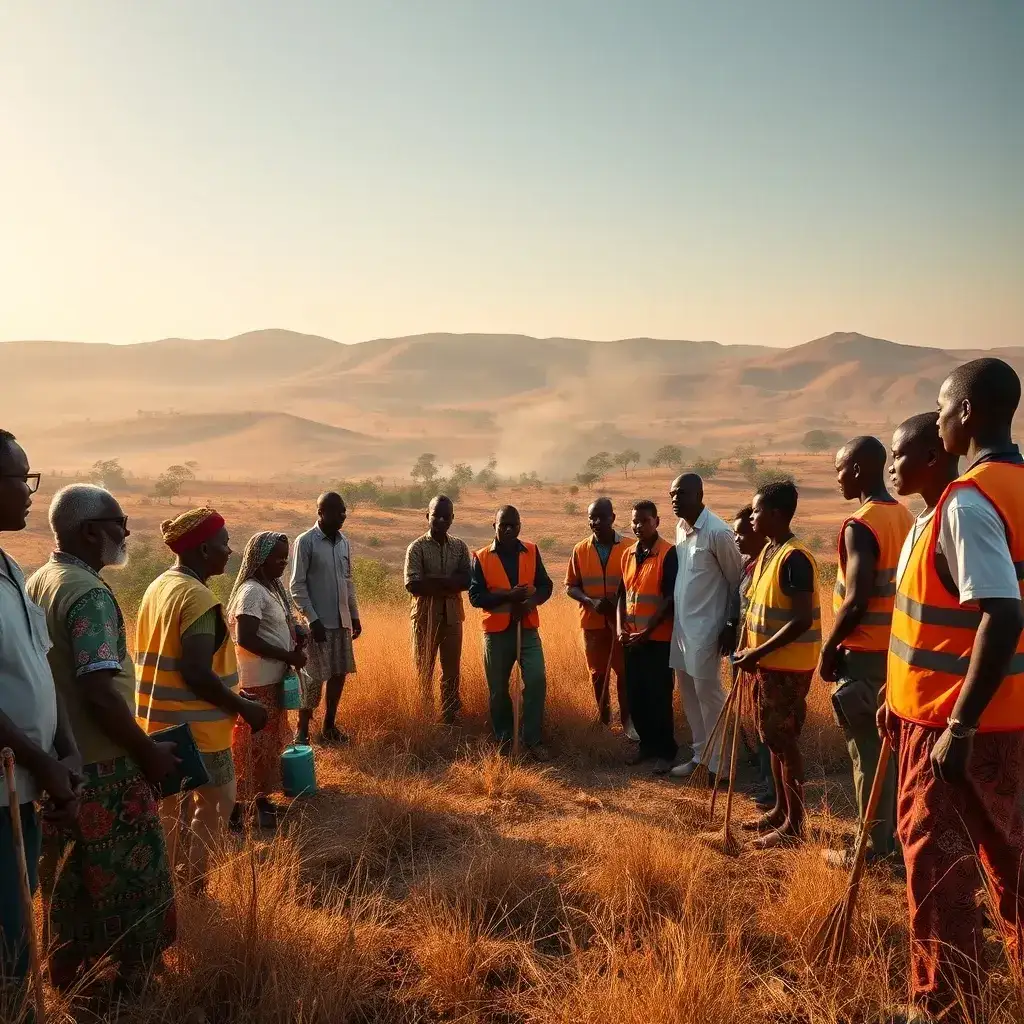
The Accelerated Rural Development Organisation (ARDO) is spearheading a collaborative effort between Ghana and Togo to combat devastating cross-border wildfires along the Akwapim-Togo ranges, aiming to protect the region’s vulnerable ecosystem, mitigate climate change impacts, and safeguard local livelihoods. The initiative, launched recently, involves building consensus among border communities, enhancing their capacity to prevent and combat fires, and establishing dedicated fire volunteer clubs.
Context: A Fragile Ecosystem Under Threat
The Akwapim-Togo ranges, straddling the Ghana-Togo border, are home to unique tree and animal species facing an existential threat. Wildfires, exacerbated by human activities such as logging, are pushing these species towards extinction.
These fires not only devastate the local environment but also contribute significantly to global warming. The consequences include altered local climate patterns and potential harm to agricultural activities, which are crucial for the economic stability of communities in the region.
Recognizing the urgency, ARDO initiated a comprehensive program designed to preserve the delicate ecosystem of the Akwapim-Togo border area.
Community-Led Fire Prevention and Response
Pascal Benson Atiglah, Executive Director of ARDO, explained the strategic approach. “Measures are being taken to form a network of communities along the border to focus on preventing wildfires along the Akwapim-Togo range,” he stated.
A key component of this strategy is the establishment of Fire Volunteer Squads within these communities. “These squads will be provided with the necessary training to combat wildfires when necessary,” Atiglah added, emphasizing a proactive and community-driven response.
Identifying the Culprits and Seeking Solutions
During a recent consultative meeting held in Leklebi Dodome, attended by representatives from border communities in both Ghana and Togo, a critical insight emerged. Traditional authorities identified herdsmen as the primary instigators of the wildfires in the area.
The authorities urged ARDO and all stakeholders to ensure that the leaders of these herdsmen communities, many of whom reside in remote, wild areas, are included in future discussions. They stressed the importance of compelling these leaders to commit to a strict no-wildfire policy.
The rationale behind this demand is to prevent the practice of bush burning, which poses a severe risk to the fragile ecosystem of the Akwapim-Togo ranges.
Governmental Support and Climate Change Mitigation
Godfried Koku Kofie, the Guan District Chief Executive, underscored the importance of inter-community cooperation. He called upon all communities to unite in their efforts to eradicate wildfires from the region.
Kofie highlighted the direct link between wildfire prevention and climate change mitigation. “Our jurisdiction is already bearing the brunt,” he noted, emphasizing the immediate need for action.
He assured the local assembly of his commitment to supporting the Fire Volunteer Squads. This support will include equipping them with the necessary resources and providing funding to enable them to effectively combat wildfires and protect the vital vegetation of the area.
Looking Ahead: Sustaining the Momentum
The success of this cross-border initiative hinges on sustained engagement with all stakeholders, particularly the herdsmen communities, and the effective implementation of the trained volunteer squads. Future efforts will likely focus on monitoring fire incidents, reinforcing community awareness campaigns, and exploring long-term sustainable land management practices to prevent future outbreaks. The integration of traditional leadership and local governance will be crucial in ensuring the long-term protection of the Akwapim-Togo ranges against the persistent threat of wildfires and their devastating environmental and economic consequences.










Leave a Reply