
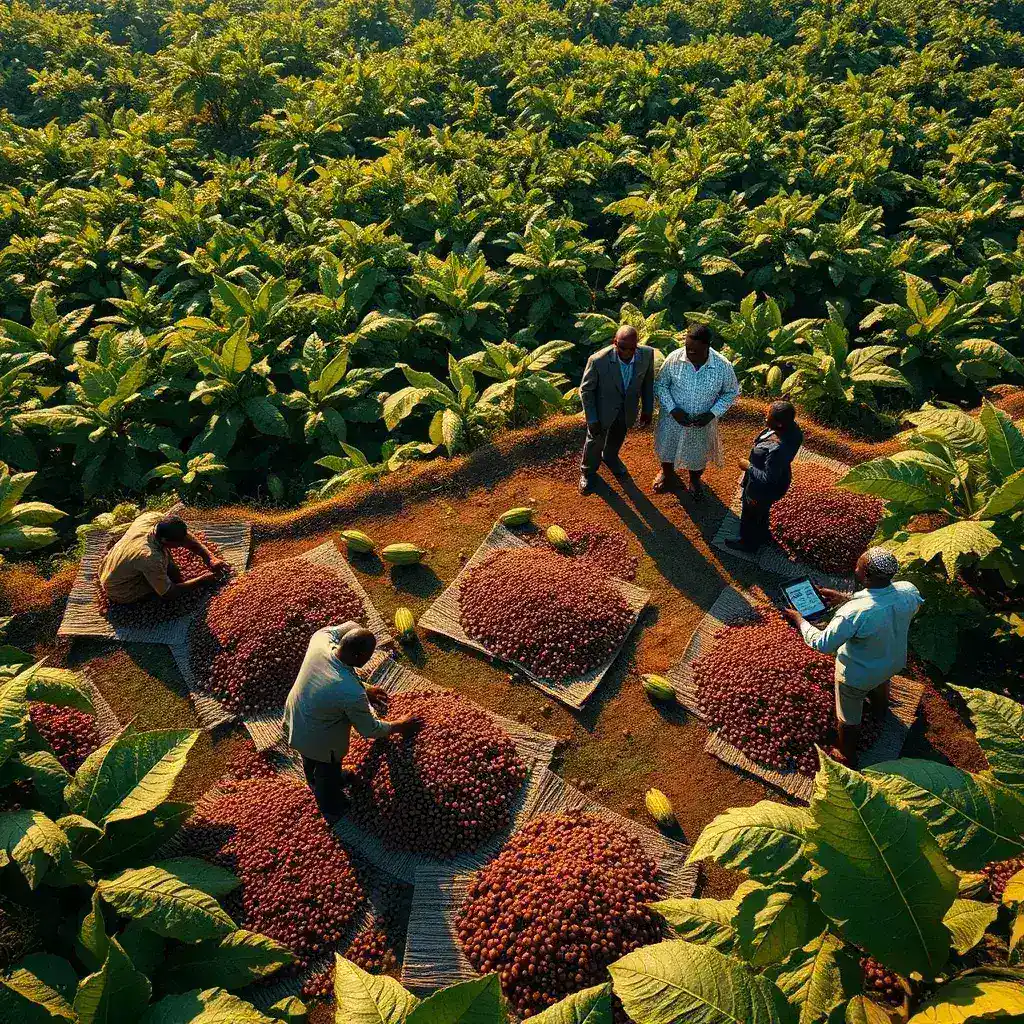
Ghana is preparing to raise $1 billion through domestic bonds to fund its cocoa purchases ahead of the 2026/27 crop season, a strategic move aimed at overhauling the nation’s financing and delivery of cocoa to global markets. This initiative, reported by Bloomberg citing anonymous sources, comes as the world’s second-largest cocoa producer navigates significant market volatility and funding pressures following a sharp decline in cocoa prices after a historic rally in early 2024.
Context of Cocoa Financing Challenges
Ghana, like many commodity-dependent economies, has historically relied on international markets and dollar-denominated loans to finance its crucial cocoa sector. This reliance has exposed the nation to the risks of currency fluctuations and global price swings.
The cocoa industry is a cornerstone of Ghana’s economy, providing livelihoods for hundreds of thousands of farmers and contributing significantly to export earnings. The financing of the crop cycle, from farmer payments to international sales, requires substantial capital, typically secured through pre-export financing facilities and loans from international commodity traders.
However, recent years have seen increased strain on these traditional financing models. A steep fall in global cocoa prices after an unprecedented surge in early 2024 has exacerbated existing liquidity issues within Ghana’s state-controlled cocoa purchasing system.
Overhauling the Financing Framework
Randy Abbey, head of the Ghana Cocoa Board (COCOBOD), announced that the planned $1 billion bond will be denominated in the local currency, the cedi. This move is a deliberate effort to reduce the country’s overdependence on dollar funding and foreign lenders, thereby mitigating exchange rate risks.
Abbey expressed confidence in Ghana’s current borrowing conditions, citing easing inflation and declining interest rates within the country. “We are looking at funding the entire crop. We believe that the interest rates in Ghana now are at the right place for us to go into the market,” he stated at the Africa Cocoa Investment Forum in London.
The primary objective is to establish a more stable and sustainable funding regime for the cocoa industry. This is particularly critical given the repayment pressures Ghana has faced from trader-backed loans previously used for cocoa purchases. These loans, while essential, have sometimes created a cycle of debt and financial strain.
Liquidity Woes and State Buyer Debt
The proposed bond issuance also addresses deeper liquidity problems within the state-controlled cocoa purchasing system. The state-owned cocoa buyer, Produce Buying Company (PBC), has reportedly struggled to meet its obligations to farmers, accumulating significant debts.
Reuters reported that PBC owes GH¢673 million (approximately $60 million) and faces potential asset seizures. As the legally mandated buyer of last resort, PBC’s inability to purchase cocoa has a direct impact on farmers’ incomes and the overall flow of beans to the market.
Despite government assurances in February to restore PBC as the leading cocoa-buying firm, the company reportedly still owed farmers about 24 million cedis for over 9,000 bags of cocoa already delivered. This lack of liquidity hinders its capacity to continue essential purchases, creating uncertainty for the agricultural sector.
Economic Indicators and Monetary Policy
Ghana’s economic landscape shows mixed signals relevant to this financial strategy. While inflation had been slowing, it began to show renewed pressure in April 2026, rising to 3.4% year-on-year from 3.2% in March. This marks the first increase since December 2024.
Conversely, the Bank of Ghana has been actively cutting interest rates since July 2025, responding to the previous trend of slowing inflation. In January 2026, the central bank reduced its main policy rate to 15.50% following a significant 250-basis-point cut. Further reductions led to the rate being lowered to 14% at the fifth consecutive policy meeting, indicating a proactive monetary easing policy.
Implications and Future Outlook
The successful issuance of these domestic bonds could significantly de-risk Ghana’s cocoa financing by reducing its reliance on volatile foreign exchange markets. It may also signal a growing confidence in the domestic debt market and Ghana’s economic management.
For cocoa farmers, a stable financing regime means more predictable payments and greater security in selling their produce. For global chocolate manufacturers, this could translate into a more stable supply chain, less susceptible to the financial turbulence that has recently affected Ghana.
The success of this strategy will hinge on market reception to the cedi-denominated bonds and Ghana’s ability to manage its inflation and interest rate environment. Observers will be watching closely to see if this overhaul can indeed create a more resilient and self-sufficient cocoa financing system for one of the world’s most important agricultural commodities.









Leave a Reply