
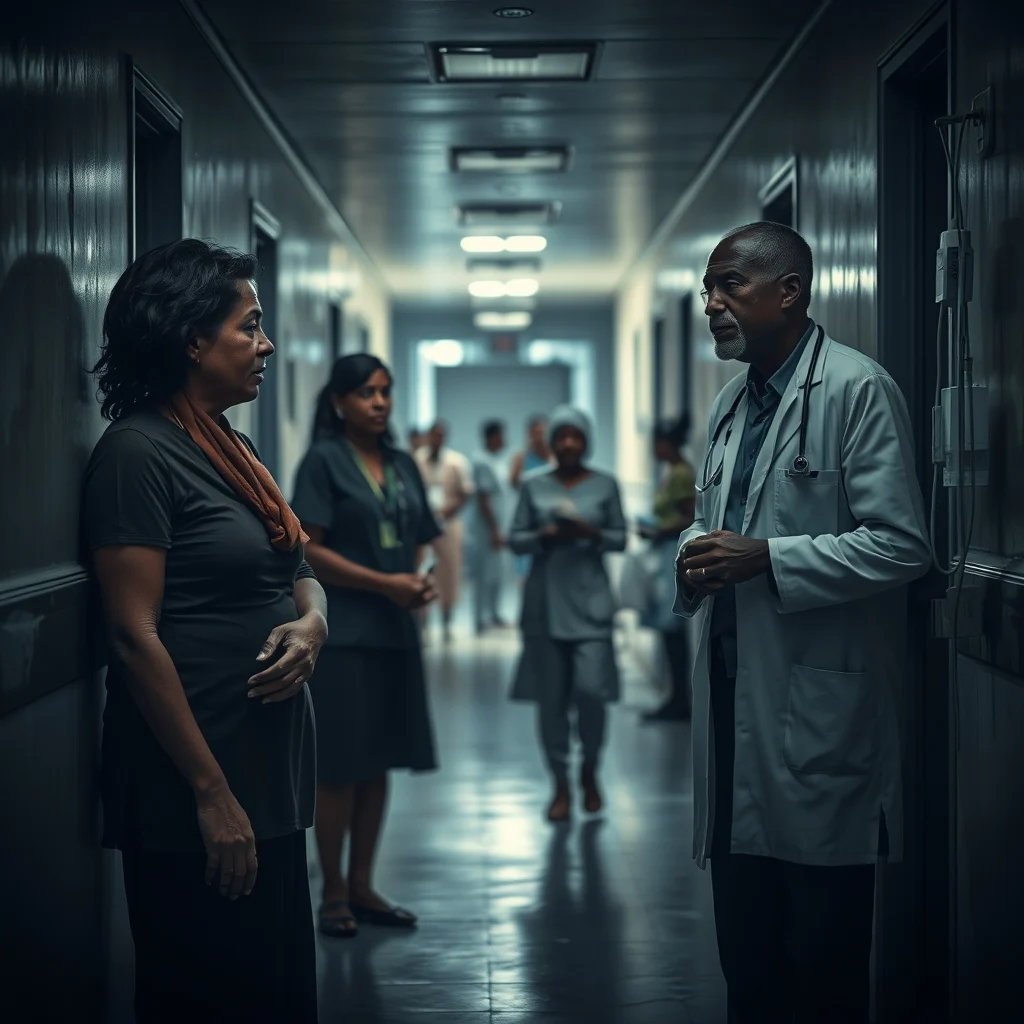
Vera Abena Addo, Programmes Officer at the Center for Democratic Development (CDD-Ghana), asserted on Saturday, May 9th, that medical negligence is a daily occurrence leading to preventable deaths across Ghana. Her statement highlighted the case of 29-year-old Charles Amissah, whose death from alleged neglect in the nation’s healthcare system gained public attention, but she stressed it is far from an isolated incident.
Systemic Failures in Emergency Care
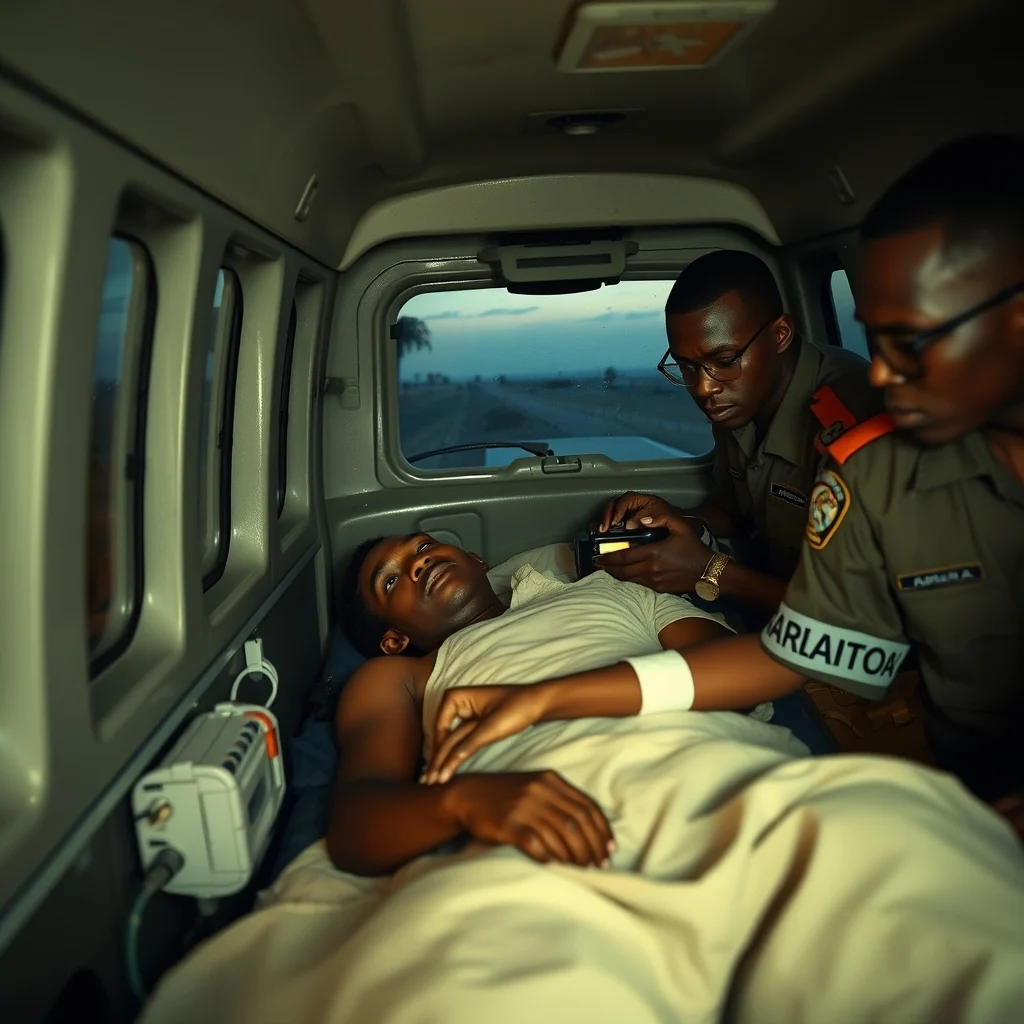
The official findings into Charles Amissah’s death, which occurred in February following a hit-and-run accident near Kwame Nkrumah Circle in Accra, concluded that medical negligence and failures in emergency healthcare delivery were contributing factors. Ms. Addo argued that Amissah’s case only surfaced due to public scrutiny, suggesting a broader, unaddressed crisis within hospitals nationwide.
She voiced concerns that numerous individuals continue to succumb to inadequate medical care and poor emergency response protocols. Ms. Addo pointed to medical records across the country as evidence of these systemic failures.
A Pattern of Neglect
“We haven’t been very deliberate about improving our healthcare for years,” Ms. Addo stated during her appearance on JoyNews’ Newsfile programme. “It is not just Charles; every day, the state continues to kill people. If you look at the statistics, almost every minute, every hour and every day.”
Ms. Addo emphasized that the issue is not a new one, noting that the period following Amissah’s death in February has revealed a pattern of similar cases stemming from medical negligence. She questioned the ongoing acceptance of such outcomes within the healthcare system.
Call for Urgent Reforms and Accountability
The CDD-Ghana Programmes Officer’s remarks underscore a persistent problem that requires immediate attention and systemic reform. The investigative committee’s report serves as a critical piece of evidence, validating concerns about the quality and responsiveness of emergency medical services.
Advocates like Ms. Addo are calling for greater accountability within the health sector. This includes implementing stricter protocols for emergency care, improving training for medical professionals, and establishing robust mechanisms for reporting and investigating instances of medical negligence. The goal is to ensure that every patient receives timely and adequate care, preventing further loss of life.
Broader Implications for Public Health
The continuous loss of lives due to medical negligence has significant implications for public trust in the healthcare system and the overall well-being of the population. When citizens cannot rely on hospitals for life-saving care, especially in emergencies, it erodes confidence and can lead to delayed treatment or avoidance of necessary medical attention.
The situation calls into question the effectiveness of current healthcare policies and resource allocation. Addressing this issue requires a multifaceted approach, including increased investment in healthcare infrastructure, continuous professional development for medical staff, and a transparent system for addressing patient complaints and grievances. The experiences of families like Charles Amissah’s highlight the urgent need for these changes to be implemented swiftly and effectively.
Moving forward, the focus will likely be on how effectively the government and healthcare institutions respond to these calls for reform. The implementation of stricter oversight, improved emergency response training, and a culture of accountability will be crucial indicators of progress in safeguarding citizens’ health and lives.








Leave a Reply